
Are Golf Carts Safe for Roads? What to Know
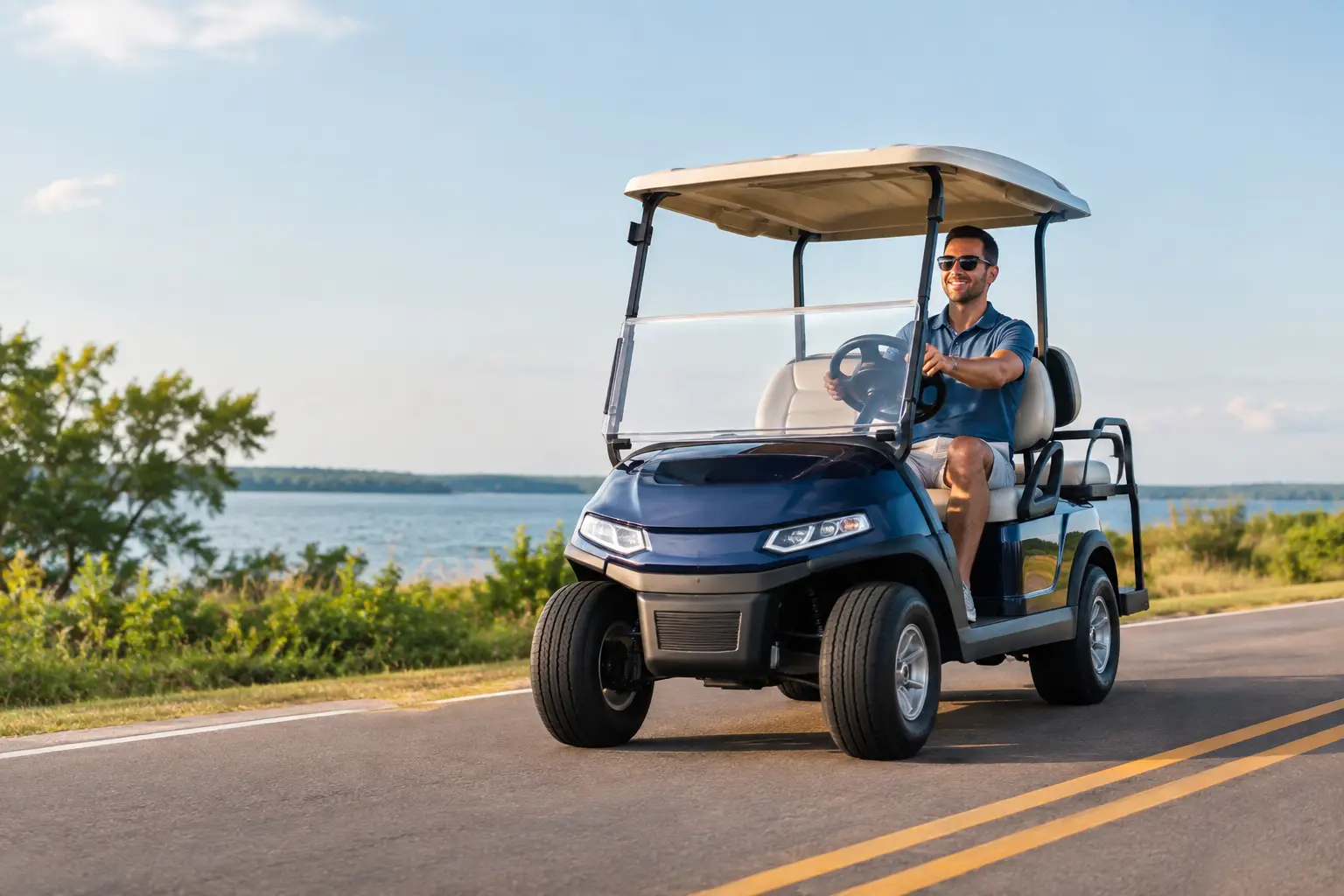
A quiet ride to the clubhouse, a quick trip to a neighbor’s house, or an evening cruise through the community sounds simple. But are golf carts safe for roads? The honest answer is: they can be, when the cart, the road, the driver, and local rules all line up.
A personal-use electric cart is not automatically safe or legal everywhere a car can drive. The best setups are designed for low-speed neighborhood use, equipped with the right road-ready features, and operated by drivers who understand their local regulations. That is the difference between confident community cruising and taking an unnecessary risk.
Are Golf Carts Safe for Roads in Your Area?
Road safety starts with location. Many cities, counties, master-planned communities, and golf cart communities allow carts on certain public roads, but the rules can vary dramatically from one block to the next. In some areas, carts are permitted only on roads with low posted speed limits. Other jurisdictions require a golf cart permit, registration, insurance, a valid driver’s license, or all of the above.
A standard golf cart and a low-speed vehicle, often called an LSV or neighborhood electric vehicle, are not always treated the same under state law. An LSV is generally built and equipped to meet federal low-speed vehicle requirements and may be allowed on public roads with speed limits of 35 mph or below, depending on state and local rules. A conventional golf cart may have more limited access, even if it has premium seating, a lift kit, and a powerful electric drivetrain.
That distinction matters before you buy. Do not assume a cart can be driven on the road just because you see other people doing it. Check your city, county, HOA, and state requirements for the exact streets you plan to use. A knowledgeable dealer can help you understand the features a road-focused cart may need, but the final legal determination always comes from local and state authorities.
What Makes a Golf Cart Safer on Public Roads?
The cart itself matters just as much as the rulebook. A road-capable electric cart should help other drivers see you, help you see your surroundings, and give you the control to react when traffic gets unpredictable.
Lighting is a major piece of the equation. Headlights, taillights, brake lights, turn signals, reflectors, and a horn make your intentions visible to cars, cyclists, and pedestrians. A windshield can add comfort and protection from wind and road debris, while side mirrors and a rearview mirror help reduce blind spots. For many owners, a backup camera adds another useful layer of awareness around driveways, parking areas, pets, and children.
Seat belts are equally important, especially when carrying passengers. Modern personal-use carts often offer forward-facing rear seats, secure handholds, and comfortable seating for family and friends. Still, more seats do not mean more freedom to overload the vehicle. Stay within the manufacturer’s passenger and weight limits, and make sure every rider has a secure place to sit.
Tires, brakes, suspension, and steering deserve attention too. Road use puts different demands on a cart than a smooth path around a golf course. Quality tires with proper tread and pressure improve grip. Responsive brakes help on stops and slopes. A stable suspension makes the ride more controlled over uneven pavement, speed bumps, and neighborhood intersections.
Speed Is a Safety Feature, Not Just a Selling Point
A faster cart can be a lot of fun, but speed has to match the environment. On a private community road with low traffic and a low posted speed limit, a properly equipped cart may be a practical way to get around. On a busy road with cars moving 45 or 55 mph, even a well-equipped cart is at a serious disadvantage.
The safest route is not always the shortest route. Choose quieter streets, avoid high-speed traffic, and use designated crossings where available. If your neighborhood has cart paths, use them when they are permitted and practical. Avoid driving at night unless your cart is properly lit and you are familiar with the route.
Drivers should also factor in stopping distance. Electric carts deliver smooth, instant torque, which makes them enjoyable to drive, but quick acceleration does not replace defensive driving. Leave room behind vehicles, slow down before turns, and never assume a car driver has seen you.
Common Road Risks Golf Cart Owners Can Avoid
Most cart-related close calls are preventable. They tend to happen when drivers treat a golf cart like a toy instead of a vehicle sharing space with heavier, faster traffic.
Distracted driving is one of the biggest problems. Putting a phone away, keeping both hands available for steering, and watching for reversing vehicles can prevent a bad moment from becoming a serious one. Passengers should stay seated, keep arms and legs inside the cart, and avoid shifting their weight during turns.
Weather changes the equation as well. Rain can reduce tire grip and visibility, while wet leaves, loose gravel, and sand can make turns less predictable. If lightning is nearby, get off the cart and seek proper shelter. An open vehicle is not the place to wait out a storm.
Hills and uneven terrain require extra care. Drive straight up and down slopes whenever possible, take turns slowly, and avoid abrupt steering inputs. Lifted carts can offer extra ground clearance and standout style, but their higher center of gravity means careful cornering is even more important.
Alcohol and golf carts are another preventable issue. The relaxed atmosphere of a resort, beach town, or golf community can make people forget that impaired driving laws may still apply. If you would not drive a car, do not drive the cart.
Road-Ready Equipment Checklist
Before taking a cart onto roads where local rules allow it, confirm that it has the equipment required in your area. Requirements vary, but commonly include:
- Headlights, taillights, brake lights, and turn signals
- Mirrors, a horn, reflectors, and a windshield
- Seat belts for every designated passenger position
- A vehicle identification number and required registration or plate
- Insurance coverage, if required by state or local law
- A slow-moving vehicle emblem or other mandated markings
This is also the right time to think about ownership support. Batteries, brakes, tires, lights, and charging systems need regular attention. Keeping up with service protects performance and helps ensure the safety equipment you rely on works when you need it. A cart that looks sharp but has weak brakes or worn tires is not ready for road use.
How to Drive Your Cart More Confidently
Safe golf cart driving is less about being nervous and more about being intentional. Start by getting comfortable with the cart in a low-traffic area. Learn how it turns, brakes, reverses, and handles a full passenger load before heading onto neighborhood streets.
Use turn signals early, come to complete stops where required, and make eye contact with drivers when possible. At intersections, assume cars may misjudge your speed or overlook you entirely. Yielding when there is any doubt is usually the smart move.
For families, set expectations before the ride starts. Children should be seated and belted where belts are provided. No standing, no riding on laps, no hanging off the side, and no unsupervised driving. A premium cart can make everyday mobility more enjoyable, but it should still be operated with the same care you would bring to any vehicle.
Choosing the Right Cart for Neighborhood Use
If road and neighborhood travel are part of your plan, shop for that use from the beginning. Think beyond color, wheels, and audio upgrades. Ask about seating layout, lighting, braking, mirrors, windshield options, battery range, charging needs, and whether a particular model is configured as a low-speed vehicle.
This is where a specialized dealership experience can save time. EV Superstore helps buyers compare feature-rich electric carts from leading brands, find financing that fits, and choose a vehicle built around how they actually plan to use it. Whether that means family rides through a gated community or easy trips around a coastal neighborhood, the right configuration makes ownership feel simple.
A golf cart can be one of the most enjoyable ways to get around your community. Choose a properly equipped vehicle, follow the rules on the roads you use, keep it serviced, and drive with the awareness that safety is part of every great ride.