
Are Lithium Carts Worthwhile for Daily Driving?
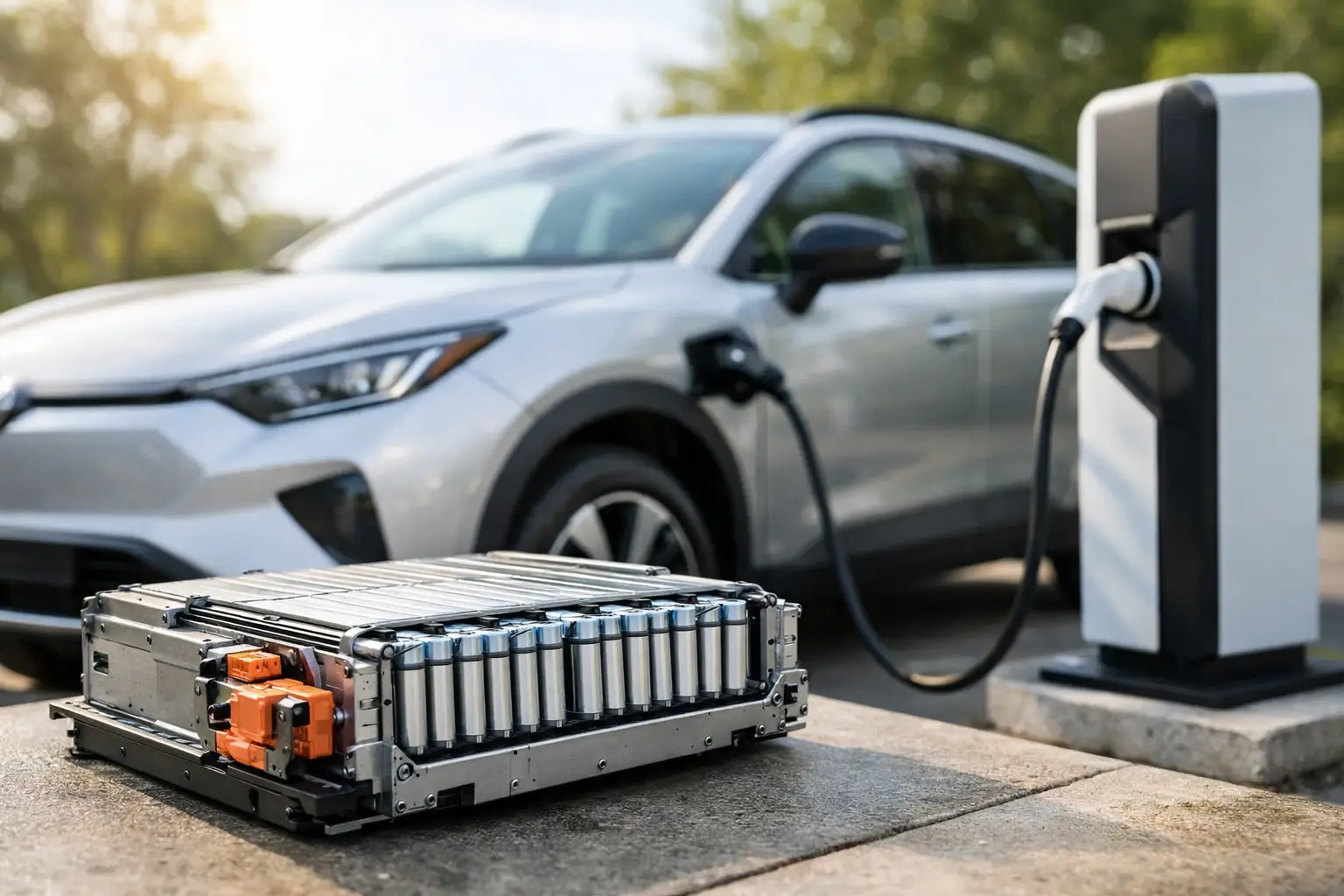
A cart that dies halfway through a neighborhood cruise, needs a long overnight charge, or loses power climbing a small hill can take the fun out of ownership fast. So, are lithium carts worthwhile? For many personal-use buyers, the answer is yes - especially when the cart will be used regularly for community rides, golf, errands, resort property, or family time.
Lithium batteries cost more upfront than traditional lead-acid batteries, but they change the day-to-day ownership experience in ways most drivers notice immediately. Faster charging, more consistent power, less maintenance, and a longer usable lifespan can make lithium a smart upgrade rather than a luxury add-on. The right choice still depends on how you plan to drive, where you live, and whether you value the lowest purchase price or lower hassle over time.
Are Lithium Carts Worthwhile? Start With How You Will Use One
A lightly used cart that makes a short trip to the mailbox once or twice a week has different needs than a fully equipped neighborhood vehicle carrying four passengers, beach gear, and groceries. Lithium makes the strongest case when your cart is part of your lifestyle, not something that sits in the garage most of the month.
For homeowners in golf communities, retirees who use a cart as their preferred local ride, and families who enjoy evening cruises, reliable range matters. A lithium-powered cart delivers power more consistently as the battery charge drops. That means you are less likely to feel the cart become sluggish near the end of a ride, particularly on hills or when carrying passengers.
Lithium is also a practical fit for buyers who want modern features. Backup cameras, sound systems, lights, turn signals, phone charging ports, and upgraded displays all draw power. A properly sized lithium system is well suited to support a feature-rich cart without turning every accessory into a range concern.
Before buying, be realistic about your route. Cart paths, paved neighborhood streets where permitted, private communities, campgrounds, and large properties are all great use cases. Public-road access varies by state, county, city, and community rules, so confirm local requirements for street-legal operation, registration, insurance, speed, and safety equipment before you drive.
The Lithium Advantage You Feel Every Time You Drive
The headline benefit is simple: lithium batteries are easier to live with. They typically charge faster than lead-acid batteries, so a midday charge can often get you back out for another ride instead of waiting until the next day. Exact charge times and range depend on the battery capacity, charger, terrain, passenger load, speed, temperature, and accessories, but the convenience difference is real.
Weight is another major factor. Lithium battery packs are substantially lighter than comparable lead-acid setups. Less battery weight can improve acceleration, handling, and efficiency while reducing the strain on suspension components. On a personal-use cart loaded with passengers, that difference can be noticeable.
Lithium systems also require far less routine attention. Lead-acid batteries may require periodic water checks, careful cleaning, and more vigilant charging habits. They can corrode, and allowing them to sit discharged can shorten their life. Lithium batteries are sealed and maintenance-light. You still need to follow the manufacturer’s charging and storage guidance, but ownership is far more straightforward.
A built-in battery management system is part of the value. This system monitors cells and helps protect the pack from conditions such as overcharging, excessive discharge, and unsafe temperatures. It is not a reason to ignore care instructions, but it adds meaningful protection for a component that powers your entire vehicle.
Upfront Cost vs. Long-Term Value
The reason buyers hesitate is understandable. Lithium carts generally cost more than comparable lead-acid models. If the only goal is the lowest possible price on a cart that will get minimal use, lead-acid can still be a reasonable choice.
But the purchase price is not the whole ownership cost. Lead-acid batteries commonly need replacement sooner, while a quality lithium battery can provide many more charge cycles. Lifespan varies with battery quality, charging behavior, climate, storage, and usage, so no dealership should promise the same result for every owner. Still, lithium often delivers better long-term value for drivers who plan to keep their cart and use it often.
Think about the trade-off this way. Lead-acid can save money at checkout. Lithium can save time, maintenance effort, replacement expense, and missed rides over the years. For a buyer choosing between a basic cart and a premium vehicle designed for frequent neighborhood use, the lithium option often matches the rest of the ownership experience better.
Financing can also change the calculation. Spreading the cost into a manageable monthly payment may make it possible to choose the battery system, seating, accessories, and performance features you actually want rather than settling for a lower-spec cart now and upgrading later.
What to Check Before You Buy a Lithium Golf Cart
Not all lithium carts are built alike. The battery label alone should not make the decision. Ask what battery brand and capacity the cart uses, what range estimate applies to that configuration, and what conditions affect that estimate. A published range is usually measured under favorable conditions, not with six adults aboard, a steep hill ahead, and the speakers running all afternoon.
You should also ask about the warranty. Understand what is covered, how long the coverage lasts, whether labor is included, and how service is handled if you buy from outside your immediate area. A good battery is valuable. A clear support plan is just as valuable when you need answers.
Charging setup deserves attention, too. Most personal-use owners can charge at home, but you should confirm the outlet requirements and choose a dry, ventilated location where the charger and cord will be protected. Use the charger supplied or approved for the battery system. Mixing chargers or improvising electrical setups is an easy way to create avoidable problems.
Finally, test-drive the actual style of cart you want. Check the ride quality, steering, braking, visibility, seating position, storage, and acceleration. If you expect to carry grandchildren, friends, coolers, or beach chairs, bring that reality into the conversation. A cart should fit your life at full capacity, not only look good on the showroom floor.
When Lead-Acid May Still Make Sense
Lithium is not automatically the best answer for every buyer. If you need a simple cart for occasional short trips, are working within a very tight budget, or prefer an inexpensive vehicle for a property where performance is not a priority, lead-acid may do the job just fine.
The key is not to buy based on battery type alone. A well-maintained lead-acid cart can be dependable, and a poorly supported lithium cart can become frustrating. Vehicle quality, battery capacity, warranty coverage, dealer service, and honest guidance matter more than a flashy specification sheet.
For most frequent drivers, though, the convenience gap is hard to ignore. You get in, drive with confident power, plug in when needed, and spend more time enjoying the vehicle than maintaining it.
Choose the Cart That Makes Ownership Easy
A lithium cart is worthwhile when it supports the way you actually want to live: more neighborhood rides, more family time, more confidence on longer routes, and fewer battery chores. It is especially compelling for buyers who want a modern, fully equipped electric cart they can enjoy for years rather than a bare-bones vehicle that demands extra attention.
The smartest next step is to compare real vehicles, not just battery claims. At EV Superstore, that means looking at the cart’s range, seating, features, warranty, and service support as one complete ownership package. Schedule a test drive, ask direct questions about the battery system, and choose the cart that gives you a reason to take the long way home.