
Bad Credit Golf Cart Financing That Works
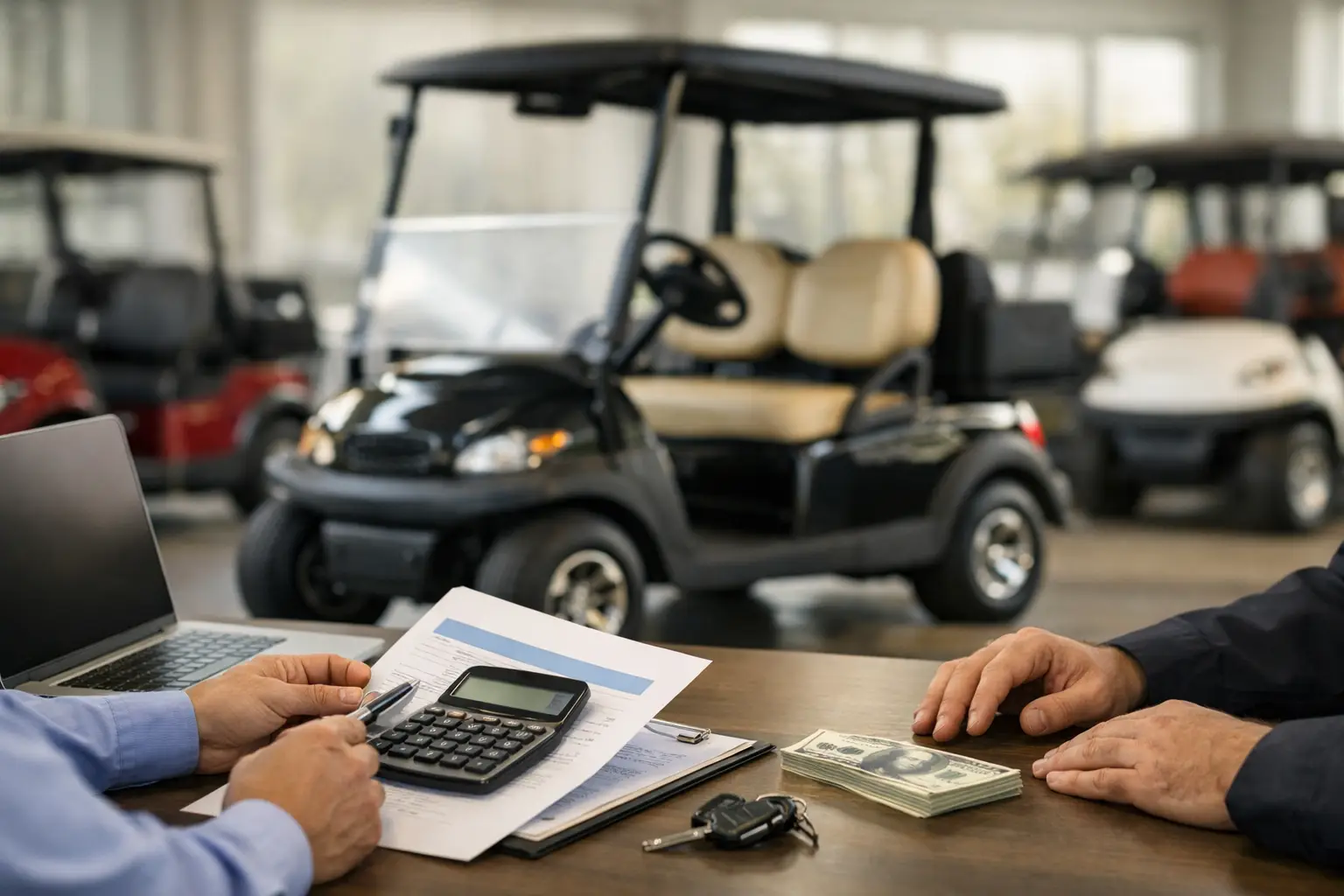
A low credit score should not force you into an old cart with no warranty, weak batteries, and somebody else’s repair problems. Bad credit golf cart financing gives more buyers a real path to ownership, especially when the cart is for daily neighborhood use, family trips around the community, or replacing a gas model that has become more hassle than fun.
The key is knowing what lenders actually care about, where buyers get tripped up, and how to shop smart without wasting time on carts that do not fit your budget. If you want a newer electric model with better features, a cleaner ride, and payments that make sense, approval is often more realistic than people expect.
How bad credit golf cart financing really works
Most buyers assume financing is just a yes or no decision based on their score. That is not how it usually works. Lenders often look at the full picture, including income, residence stability, debt load, down payment, and the vehicle itself.
That matters because golf carts are not all viewed the same way. A newer, well-equipped electric cart from a recognized brand may be easier to finance than an older private-party cart with unknown condition and no support after the sale. The lender wants to see value in the vehicle, and you want confidence in what you are buying. Those goals line up more than most people realize.
If your credit is bruised from medical bills, a temporary job loss, divorce, or high credit card usage, you may still have financing options. A stronger down payment or proof of reliable income can offset a lower score. Some lenders are also simply better at working with non-perfect credit profiles than others.
What improves approval odds
The fastest way to improve your chances is to show that the monthly payment will fit your life. Lenders want to know that this purchase is affordable, not just desirable.
Steady income helps. So does a reasonable debt-to-income ratio. A cash down payment can make a big difference because it lowers the amount financed and shows commitment to the purchase. If you have a trade-in, that can help too, depending on the cart’s age and condition.
The cart you choose also affects the deal. Buyers sometimes focus only on sticker price, but lenders look at structure. A newer cart with warranty support, modern batteries, safety features, and a documented retail value is often a cleaner approval than an older bargain cart that may need immediate service.
That is one reason premium electric carts can make more financial sense than they first appear. Better reliability, more standard features, and warranty-backed ownership can reduce the chance of surprise costs right after purchase.
A down payment is not always required, but it can help
Some buyers can get approved with little down or no down, while others will need to put money down to make the deal work. It depends on credit profile, income, lender guidelines, and the cart selected.
If you are on the edge of approval, even a modest down payment can help move the application in the right direction. It may also lower your monthly payment and reduce the total amount of interest paid over time. For many customers, that is worth it.
Co-signers can help, but they are not the only solution
A co-signer with stronger credit can improve approval odds or help secure better terms. Still, not every buyer wants to involve family or friends, and that is understandable. The good news is that many financing paths do not require one. A dealership with access to multiple lenders can often find options based on your individual file rather than forcing a one-size-fits-all answer.
Where buyers make expensive mistakes
One common mistake is shopping only by monthly payment. A low payment can look great until the term stretches too long or the cart itself is not worth financing. Another mistake is chasing the cheapest cart available, only to end up with weak performance, outdated batteries, cosmetic wear, and no real support if something breaks.
There is also the private-seller trap. On paper, buying from an individual can seem cheaper. In reality, you may have fewer financing options, no inspection standards, no service support, and no warranty protection. If your credit is already less than perfect, the last thing you want is a cart that creates repair bills right after you bring it home.
A better approach is to focus on total ownership value. That includes the quality of the cart, battery type, included features, service access, warranty coverage, and how easy the buying process is from approval to delivery.
Choosing the right cart when financing with bad credit
Not every buyer needs the same setup. A retiree in a golf community may want comfort, a smooth ride, and easy charging. A suburban family may want extra seating, safety features, speakers, and room for neighborhood trips. A resort-area buyer may care more about appearance, range, and premium upgrades.
When financing with challenged credit, it helps to stay practical without settling. Choose a cart that fits how you will actually use it. If you need a lifted six-seater with upgraded wheels and extra features, buy the right cart once instead of trying to trade up a few months later. But if your main use is short community rides and local errands, a simpler configuration may open up better payment options.
This is where a knowledgeable dealership makes a real difference. The right team can help match you with a cart that fits both your lifestyle and lender expectations, instead of pushing you toward something that looks exciting but creates a payment headache.
Why dealer financing often beats trying to figure it out alone
Bad credit golf cart financing is usually easier when the dealership has lender relationships and knows how to structure deals for different buyer situations. That means less guesswork for you and a better chance of finding terms that make sense.
A strong dealer can also help you compare options across brands and price points. Maybe a slightly different model gets you the features you want while fitting a cleaner approval path. Maybe a trade-in or down payment adjustment changes the monthly number enough to make the deal comfortable. Those are practical conversations, not sales gimmicks.
At EV Superstore, buyers want speed, transparency, and real inventory they can actually purchase, not endless back-and-forth. That matters even more when financing is part of the process. Clear pricing, fast approvals, test-drive access, and delivery coordination all reduce friction and help you move forward with confidence.
What to have ready before you apply
If you want the process to go smoothly, be prepared. Lenders may ask for proof of income, residence information, a government-issued ID, and permission to review your credit. If you have a down payment or trade-in, know those numbers ahead of time.
It also helps to set a realistic budget before shopping. Think beyond the monthly payment and consider insurance if applicable, charging setup, accessories, and how often you will use the cart. A purchase that feels easy on day one should still feel easy six months from now.
Be honest on the application. Inflated income or inaccurate housing information can delay approval or kill the deal entirely. Clean, accurate information gives the lender the best chance to say yes.
The trade-off between approval and terms
Here is the part many articles skip - approval is not the only goal. Terms matter. With lower credit, you may see higher interest rates, a larger down payment requirement, or a shorter list of lender choices. That is normal.
The smart move is to balance getting approved now with improving your position over time. If the cart fits your needs, the payment is manageable, and the vehicle is worth owning, financing can still be a solid move. Then, as your credit improves, future purchases become easier and less expensive.
This is also why the quality of the cart matters so much. If you are paying a premium for financing because of credit, you want that payment attached to something dependable, attractive, and enjoyable to own.
Is now the right time to buy?
Sometimes yes. Sometimes waiting a few months is smarter. If you have stable income, enough room in your monthly budget, and a real use for the cart, moving forward can make sense even with imperfect credit. If your income is uncertain or you are already stretched thin, it may be better to pause, save a stronger down payment, and shop when the numbers feel better.
There is no trophy for rushing into a deal that strains your budget. But there is also no reason to assume bad credit means automatic rejection or that you have to settle for an unreliable used cart from a random seller.
The best financing experience starts with the right expectations, the right cart, and a dealer that knows how to help. If you are ready to explore your options, start with a cart you would be happy to own for years, not just one you hope a lender will approve. That small shift usually leads to a much better ride.