
Best Electric Golf Carts for Everyday Use
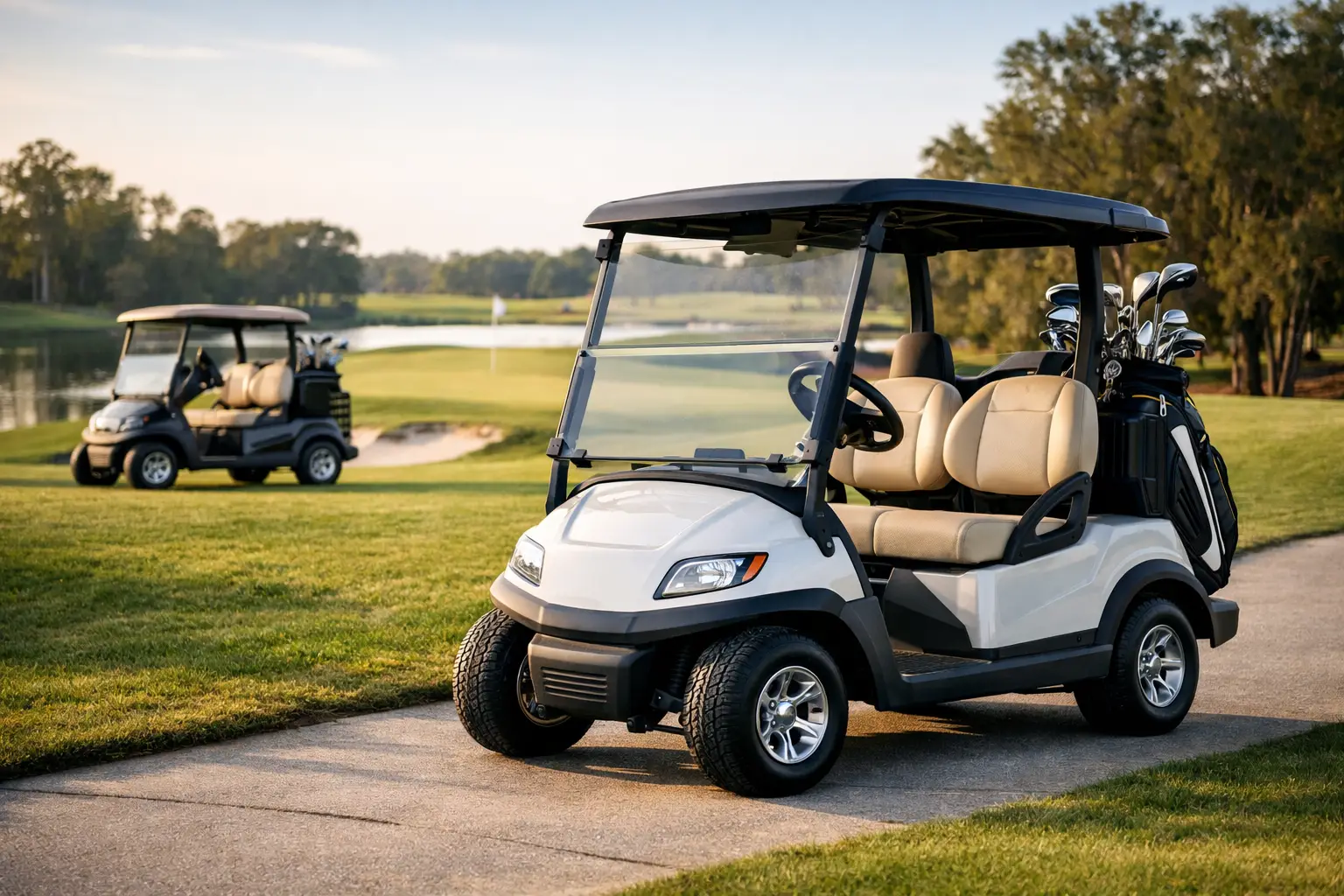
A lot of buyers start by asking for the best electric golf carts, but what they usually mean is something more specific: Which cart will feel great to drive, look sharp in the neighborhood, fit the family, and not become a headache six months later? That is the real question, and it is the right one.
If you are shopping for a personal-use cart instead of a basic course vehicle, the old rules do not apply. You are not just comparing batteries and seats. You are comparing comfort, street-friendly features, styling, warranty support, speed, financing, and how easy the whole ownership experience will be. The right cart should feel like a lifestyle upgrade, not a project.
What makes the best electric golf carts stand out
The strongest carts on the market have moved well beyond stripped-down utility builds. Buyers want lifted suspensions, premium seats, LED lighting, digital displays, backup cameras, Bluetooth audio, and enough speed to make neighborhood driving enjoyable. That is why one person’s “best” cart can be a poor fit for someone else.
For example, a couple in a golf community may care most about ride comfort, quiet performance, and easy charging. A family in a beach town may need four or six seats, extra storage, and a cart that handles short daily trips without feeling underpowered. A buyer replacing an older gas cart may want modern styling and more convenience features right out of the gate.
That is where shopping by use case matters more than shopping by hype. The best electric golf carts are the ones that match how you actually drive.
Best electric golf carts by buyer type
For neighborhood cruising
If your cart will spend most of its time moving through the neighborhood, comfort and convenience should lead the list. You want a stable ride, reliable battery performance, headlights and turn signals, and enough speed to keep the trip fun instead of sluggish. A modern low-speed vehicle feel is a big plus here.
Brands like Evolution, Epic, and Icon tend to get attention in this category because many of their models are built with premium standard features instead of forcing you into a long add-on list. That matters if you want something ready to drive now, not something you have to finish after purchase.
For families and extra passengers
A two-seat cart may be enough for the golf course, but everyday personal use usually pushes buyers toward four- and six-passenger models. If you have kids, grandkids, guests, or regular community trips, extra seating quickly becomes worth it.
The trade-off is size. A larger cart gives you flexibility, but it also needs more storage space and can feel less nimble in tight areas. If you have room in the garage and regularly carry passengers, the added convenience is easy to justify. If not, a four-seater often lands in the sweet spot.
For style-first buyers
Some buyers know exactly what they want. They want a cart that turns heads. That usually means lifted stance, larger wheels, upgraded paint choices, premium seats, and a dashboard that feels current instead of dated.
This is one of the biggest shifts in the market. Personal-use golf carts are no longer niche utility vehicles. They are lifestyle vehicles. Brands such as Venom and Kandi have appealed to buyers who want more aggressive styling, while others focus on a polished upscale look. Neither approach is wrong. It just depends on whether you want bold or refined.
For value-focused shoppers
Value does not always mean cheapest. In fact, the lowest sticker price can cost more later if the cart lacks features you wanted from the beginning or if service support is weak. Real value comes from getting the right battery system, warranty coverage, road-ready equipment, and build quality at a fair price.
That is why feature-rich carts often outperform bare-bones models in the long run. If a cart already includes items like premium wheels, lighting packages, rear seating, or digital controls, you avoid the cost and hassle of adding them later.
The features worth paying for
Battery type is the first big decision. Lithium batteries have become the clear favorite for many personal-use buyers because they charge faster, require less maintenance, and typically last longer than traditional lead-acid setups. They also help make ownership feel simple, which is exactly what most customers want.
That said, not every buyer needs the same battery capacity. If you use your cart for quick neighborhood drives, one setup may be plenty. If you plan longer loops through a large community or frequent all-day use, range becomes a bigger factor. This is one of those it-depends decisions that should be based on your routine, not just a spec sheet.
Speed matters too. A modern electric cart that can move confidently through a neighborhood feels very different from an older, slower unit. If your community allows higher-speed low-speed vehicle use, that can shape which models make sense. You want enough performance to feel capable, but still within local regulations.
Suspension and ride quality deserve more attention than many buyers give them. A cart can look fantastic online and still feel rough in real life. Lifted models with larger tires can improve appearance and ground clearance, but ride comfort depends on the full setup, not just the stance. If comfort is a top priority, that should be part of your comparison from day one.
Then there are the extras that quickly stop feeling like extras. Backup cameras, touchscreens, premium audio, USB charging, coolers, and upgraded seating all improve daily use. If you are driving the cart several times a week, those details are not fluff. They are part of what makes ownership enjoyable.
Brand comparison without the sales fluff
The market is crowded, and that can be a good thing if you know what to compare. Evolution often appeals to buyers who want a premium feel with a lot of standard equipment. Epic has built a strong reputation with buyers looking for upscale design and practical comfort. Icon is often considered by shoppers who want a recognizable personal-use cart with broad appeal.
Kandi and Venom can attract buyers who want modern styling and a more distinctive look. Niu brings attention from shoppers already familiar with electric mobility and design-forward products. None of these brands are automatically the best for every person.
What matters is how the cart is equipped, how it fits your use, and what support stands behind it. A great model backed by financing options, warranty coverage, service help, and clear pricing usually beats a slightly cheaper option that leaves you on your own.
How to choose without overthinking it
Start with passenger count. That immediately narrows the field. Then think about where you will drive most often, how far your usual trips are, and whether you care more about comfort, style, speed, or price.
After that, ask what comes standard. This is where buyers either save money or accidentally create future expenses. Two carts can look similar on paper, but one may already include lithium power, upgraded wheels, lighting, mirrors, seat belts, and a premium dash while the other needs multiple upgrades.
You should also think about how you want to buy. Some customers want to visit a showroom, compare models side by side, and take a test drive. Others are happy to handle most of the process remotely through text, online financing, and delivery coordination. Both are valid. The important part is buying from a dealer that makes the process easy and supports you after the sale.
That is one reason many shoppers prefer a dealership with multiple brands instead of a single-brand setup. It gives you a cleaner comparison and a better chance of finding a cart that fits your budget and preferences without being pushed into one narrow lane.
The ownership side matters more than people expect
Buying the cart is only part of the experience. Financing, warranty protection, service availability, and replacement parts all affect whether you stay happy with the purchase.
A fast approval process can make a big difference if you are ready to buy now. So can transparent pricing. Buyers do not want to chase hidden fees or guess what is included. They want a straightforward path from shopping to delivery.
Service matters too. Even reliable electric carts need maintenance, inspections, or occasional support. If your dealer can help with service and ongoing ownership questions, the whole purchase feels safer. That peace of mind is hard to put on a spec sheet, but it is part of what separates a smart buy from a stressful one.
At EV Superstore, that full-ownership mindset is a big part of the appeal. Buyers are not just picking a cart. They are choosing inventory, financing, service, and delivery support in one place, which makes the process much easier for customers who want premium options without the usual dealership runaround.
So which cart is actually the best?
The best electric golf carts are the ones that fit your life with the fewest compromises. For some buyers, that means a stylish four-passenger cart with premium features and neighborhood-ready performance. For others, it means a six-seater with room for family, strong range, and easy charging. And for plenty of shoppers, the best choice is the one that already comes loaded, carries warranty protection, and can be financed and delivered without hassle.
If you are comparing models right now, focus less on generic rankings and more on how the cart will feel on day 100, not just day one. The right cart should be easy to own, fun to drive, and ready for the kind of everyday adventure that made you want one in the first place.