
Can Golf Carts Get Wet? Rainy-Day Care Tips
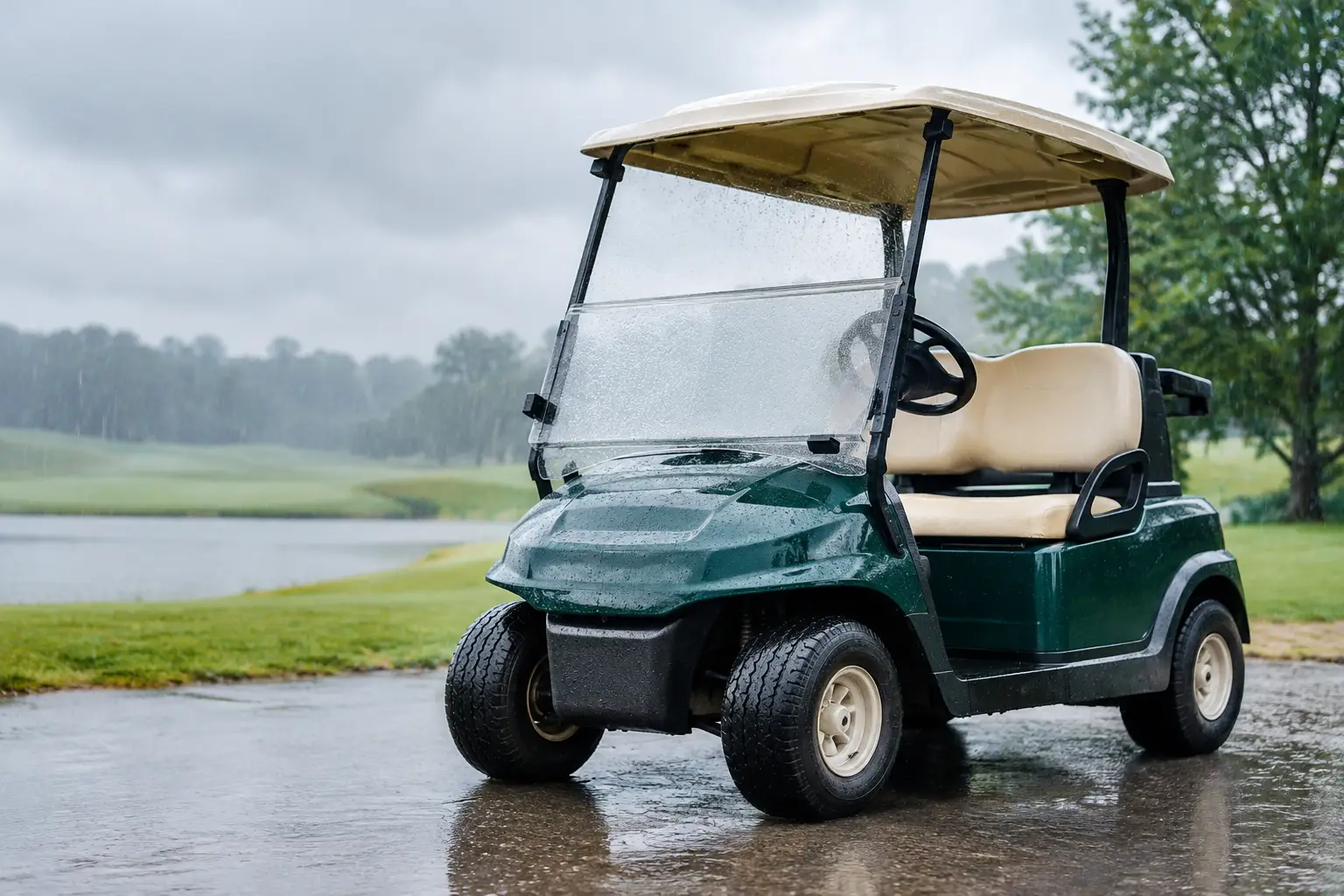
A surprise Florida downpour or a wet morning ride through the neighborhood does not have to leave your electric cart parked for the day. So, can golf carts get wet? Yes, quality electric golf carts are built to handle normal rain and wet pavement. But they are not boats, and the difference between getting caught in the rain and driving through standing water matters.
For personal-use cart owners, smart wet-weather habits protect the parts that keep every ride fun: batteries, wiring, brakes, tires, upholstery, and electronics. A little care after a wet ride can prevent corrosion, electrical trouble, and avoidable service visits later.
Can Golf Carts Get Wet in the Rain?
Most modern electric golf carts can safely get wet in ordinary rain. Their electrical components are typically enclosed or shielded against the moisture they are expected to encounter outdoors. A roof, windshield, enclosure, and properly installed body panels add another layer of protection for both passengers and the vehicle.
That does not mean every part is waterproof. Water can still find its way into damaged connectors, loose battery terminals, cracked housings, aftermarket accessories, and poorly sealed charging ports. The cart's age, condition, brand, and modifications all affect how well it handles wet conditions.
Think of rain as normal use and submersion as abuse. Driving home in a shower is usually fine. Leaving the cart uncovered for days, spraying its electrical areas with a pressure washer, or crossing deep puddles is where risk rises fast.
The Biggest Wet-Weather Risks for Electric Carts
The concern is rarely a few drops of water on the body. The real issue is water reaching areas where it can interfere with electrical connections or mechanical performance.
Deep Water Can Reach Critical Components
Avoid water that reaches the floorboard, battery compartment, motor, controller, or axle area. Even if the cart keeps moving, water can carry mud and road debris into places that need to stay clean. It may also conceal potholes, curbs, or soft ground that can damage the cart or cause a loss of control.
Do not assume a lifted cart can handle deep water simply because it has more ground clearance. Lift kits change clearance, not the water resistance of the motor, controller, wiring, or battery system.
Wet Brakes and Tires Change the Ride
Rain reduces traction, especially on painted paths, leaves, slick concrete, and sloped driveways. Braking distances can increase, and a quick turn can feel much less predictable than it does on dry pavement. Slow down before turns, leave extra stopping room, and avoid hard acceleration on wet grass.
After driving through rain, gently apply the brakes a few times in a safe area to help dry the brake surfaces. If braking feels weak, pulls to one side, makes unusual noises, or stays soft after drying, park the cart and arrange service.
Water and Batteries Need Extra Respect
Battery systems should remain clean, secure, and dry around terminals and connections. Flooded lead-acid batteries require more routine attention than lithium systems, but neither should be exposed to standing water or cleaned with high-pressure spray.
If you see water pooled in the battery area, do not charge the cart until the compartment has been inspected and dried. Disconnecting power may be appropriate, but follow your owner's manual and avoid handling damaged wiring yourself. A burning smell, visible corrosion, melted insulation, or repeated power loss calls for professional service right away.
How to Drive an Electric Golf Cart in Rain
Rainy-day driving is less about special tricks and more about choosing the conservative option. If lightning is nearby, severe weather is moving in, or roads are flooding, park the cart and wait it out. An open-sided vehicle is not a safe place during a thunderstorm.
For light to moderate rain, keep speed low and take familiar routes. Choose paved paths with good drainage instead of low spots, ditch crossings, loose gravel, or grass slopes. Use headlights and taillights when visibility is poor, even in daylight, so neighbors, cyclists, and drivers can see you.
A windshield and enclosure can make the ride more comfortable, but they do not make a cart invincible. Clear windows, dry mirrors, and working wipers matter. If your cart has a backup camera, display, Bluetooth speakers, or added light bars, confirm that those accessories are rated and installed for outdoor use. Premium features add a lot to the ownership experience, but aftermarket wiring should always be protected and professionally fitted.
Never charge an electric cart outdoors in the rain. Use a dry, ventilated location and inspect the charger cable and plug before connecting. Charging equipment should be kept off wet ground and away from puddles.
What to Do After Your Golf Cart Gets Wet
A quick post-ride routine is one of the easiest ways to protect your investment. Park in a dry, covered location if possible, then wipe down the seats, dash, roof supports, and exterior surfaces. Remove wet towels, beach gear, floor mats, or anything else that traps moisture against the cart.
Check the floorboard and storage areas for standing water. Look around the charging port, battery compartment, and visible wiring for moisture, mud, or debris. You do not need to take panels apart after every shower, but you should not ignore water sitting where it does not belong.
If the cart was exposed to salt air, saltwater spray, or coastal flooding, rinse the exterior gently with fresh water once conditions are safe, then dry it thoroughly. Salt accelerates corrosion, especially around hardware, connectors, and undercarriage components. This is a situation where a service inspection is worth considering, even if the cart seems to drive normally.
For a cart that went through unusually deep water, do not plug it in just to see whether it works. Let it dry, consult the owner's manual, and have a qualified technician inspect it before charging or operating it again. That cautious decision can save expensive components.
Protect Your Cart Before the Weather Turns
The best rain plan starts before the forecast changes. A fitted cover protects the cart while parked, while an enclosure is useful for owners who want more comfort during regular neighborhood rides. Covered storage is even better, particularly for seasonal homes or carts that sit for extended periods.
Keep drains and floor channels clear of leaves and sand. Inspect weatherstripping, roof hardware, seat seams, lights, and charging-port covers periodically. If you notice cracked insulation, exposed wires, a loose accessory switch, or corrosion on terminals, address it before the next storm.
Your service schedule matters here, too. Professional maintenance can catch brake wear, tire issues, battery concerns, and aging connections before rain exposes the problem. EV Superstore owners can count on expert guidance for service needs, upgrades, and the right accessories for how they actually use their cart.
When Wet Conditions Mean It Is Time for Service
A cart that gets rained on and drives normally after it dries is usually not a reason to panic. Still, some signs should move the cart from the driveway to a service appointment: intermittent power, warning lights, reduced range, failure to charge, flickering lights, strange motor behavior, or a persistent electrical odor.
Do not keep testing a cart that shuts down after water exposure. Repeated attempts to drive or charge it can turn a manageable repair into a larger one. Take photos of visible water intrusion or damaged areas, keep the cart dry, and let a qualified technician diagnose the issue.
A Better Way to Enjoy Every Forecast
Your golf cart should make it easier to enjoy the neighborhood, get to the clubhouse, haul family gear, or take the long way home. Rain does not have to end the ride, as long as you respect the limits of an electric vehicle, avoid deep water, and give it a few minutes of care afterward. With the right protection and dependable service support, your cart can stay ready for the next clear afternoon.