
Electric Golf Cart Financing Options
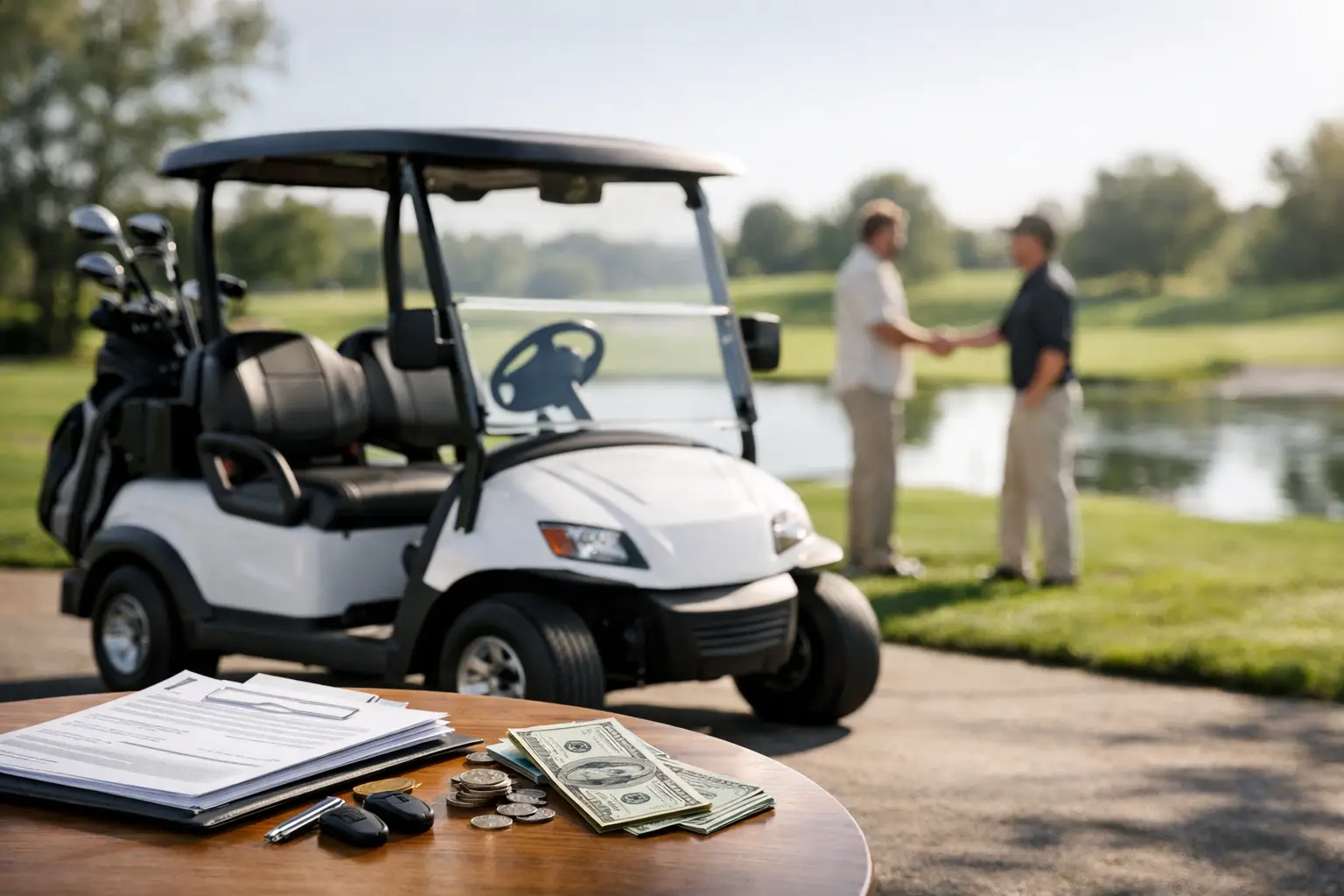
Sticker shock usually hits right after the fun part. You find the cart with the lifted stance, upgraded seats, backup camera, Bluetooth speakers, and enough style to turn every neighborhood cruise into the best part of the day - then you start asking what monthly payment looks like. That is where electric golf cart financing options matter. The right financing setup can make a premium cart feel practical, not like a splurge you have to second-guess.
For most buyers, financing is less about whether they can pay cash and more about whether they should. If you want to keep cash available for home projects, travel, or other purchases, spreading out the cost can be the smarter move. At the same time, not every loan is built the same. Rates, term lengths, down payments, and approval requirements can change the real cost of ownership by a lot.
How electric golf cart financing options usually work
Most electric golf cart purchases are financed with installment loans. You borrow a set amount, agree to a repayment term, and make fixed monthly payments until the balance is paid off. Depending on the lender, the loan may cover just the cart itself or also include accessories, taxes, fees, and sometimes delivery.
That matters because many buyers are not shopping for a stripped-down cart. They want a ready-to-drive vehicle with premium wheels, upgraded seating, lighting, enclosures, or street-ready features. Financing can help roll those costs into one monthly payment instead of forcing you to pay for upgrades separately after purchase.
Approval is typically based on a mix of credit profile, income, debt obligations, and the total financed amount. Some lenders are geared toward prime borrowers with stronger credit, while others are designed to offer more flexibility. If you have excellent credit, you may qualify for lower rates. If your credit is average or still rebuilding, you may still have financing options, but the terms might look different.
The main financing paths buyers consider
The easiest route is often dealership-arranged financing. This is popular for a reason. It saves time, gives you access to lender networks, and lets you shop the vehicle and the payment at the same time. Instead of hunting down a loan on your own, you can often review financing offers built around the exact cart you want.
A personal loan is another option, especially if you want to buy from a private seller or prefer working through your own bank or credit union. The trade-off is that unsecured personal loans can carry higher rates than dealership financing, particularly if the lender does not specialize in recreational or low-speed vehicles.
Some buyers also use home equity or credit cards, but those choices need a hard look. A home equity product may offer a competitive rate, but you are tying the purchase to your home. A credit card may work for a smaller balance or short-term payoff plan, but variable interest can get expensive fast. For most buyers who want predictable payments and a clean ownership experience, a dedicated installment loan is the better fit.
What affects your monthly payment
Price is only the starting point. Monthly payment is shaped by the amount financed, the interest rate, the term length, and whether you put money down.
A longer term can lower your monthly payment, which helps if you want a higher-end cart without stretching your monthly budget. The flip side is total interest cost. You may pay less each month but more over time. A shorter term usually means a higher payment and lower total financing cost.
Your down payment also changes the math. Putting more down reduces the amount financed and can improve your approval odds in some cases. But it depends on your goals. Some buyers want the lowest total interest possible. Others want to preserve cash and keep the upfront cost light. Neither approach is automatically right. It comes down to how you balance monthly comfort with long-term cost.
Why term length deserves more attention
A lot of shoppers focus only on the monthly number. That is understandable, but it can hide the bigger picture. Two loans can look close in payment while being far apart in total cost. If one term is much longer, you may be paying for convenience more than you realize.
That does not mean longer terms are bad. If a longer term gets you into a better-equipped cart you will enjoy for years, it may be worth it. The key is knowing the trade-off before you sign.
Credit score, approvals, and what lenders really look for
Credit matters, but it is not the whole story. Lenders usually want to see that you have a stable ability to repay the loan. That can include income, employment history, debt-to-income ratio, and recent payment behavior in addition to your score.
If your credit is strong, you will typically have more flexibility and better rates. If it is less than perfect, you still may have options, especially through lenders that work with a wider range of borrower profiles. In those cases, a down payment can sometimes help, and so can financing a more modest amount.
It also helps to be realistic about your application. Applying for a cart that is comfortably within your budget is usually better than chasing the highest possible approval amount. Fast approval feels great. A payment you can live with month after month feels even better.
New versus used financing
New carts are often easier to finance than used ones, especially when they come from a dealership and include warranty coverage. Lenders generally like newer inventory because it is easier to value, easier to insure, and less risky than an older unit with an unclear service history.
Used carts can still be a smart buy, but financing may be more limited depending on age, condition, brand, and seller type. That can lead some buyers to choose new, not just for features and reliability, but because the financing is simpler and the ownership experience feels more predictable.
For buyers who want modern styling, better batteries, upgraded electronics, and fewer surprises, financing a new cart often makes practical sense, not just emotional sense.
Questions to ask before choosing among electric golf cart financing options
Before you move forward, ask what the loan actually covers. Some financing packages include accessories and setup costs, while others do not. You should also ask whether there is a prepayment penalty, what your exact APR is, and whether the payment shown is based on a specific down payment or credit tier.
It is smart to ask about promotional offers too. Sometimes there are seasonal incentives, model-specific financing programs, or lender promotions that can improve the deal. Those offers are not always available, and they are not always the best fit for every buyer, but they are worth checking.
You should also look beyond financing and think about total ownership. A well-equipped cart backed by warranty support and service access may cost more upfront than a bare-bones alternative, but it can save frustration later. Cheap monthly payments do not mean much if the vehicle falls short of how you plan to use it.
How to shop smart without slowing down the fun
Start with your real use case. Are you driving around a master-planned community, using the cart at a vacation property, replacing an older unit, or buying something the whole family will use on weekends? That answer should shape the cart you choose and the payment range you target.
Next, work backward from a comfortable monthly budget instead of only looking at sticker price. That keeps you focused on ownership, not just purchase. It also makes it easier to compare carts with different feature packages.
Then move quickly when you find the right fit. Good inventory does not always sit around, especially premium models with the colors, seating layouts, and options people actually want. A dealership that can help you review inventory, explain the financing clearly, and get you through approval without hassle saves more than time - it saves momentum.
At EV Superstore, that is the point. Buyers want a straightforward path from shopping to approval to delivery, without feeling pushed or confused. When financing is explained clearly and the cart is ready to enjoy, the whole purchase feels lighter.
The best financing choice is the one that fits your life
The best loan is not always the one with the lowest monthly payment or the shortest term. It is the one that matches how you use your money, how long you plan to keep the cart, and how quickly you want to get on the road. For some buyers, that means putting more down and paying it off faster. For others, it means choosing a flexible term that keeps monthly costs easy while they enjoy a premium ride right now.
A golf cart should make life easier and more fun. Your financing should do the same. If the numbers are clear, the terms make sense, and the vehicle fits the way you live, you are not just buying transportation - you are buying a better way to get around every day.