
9 Electric Golf Cart Maintenance Tips
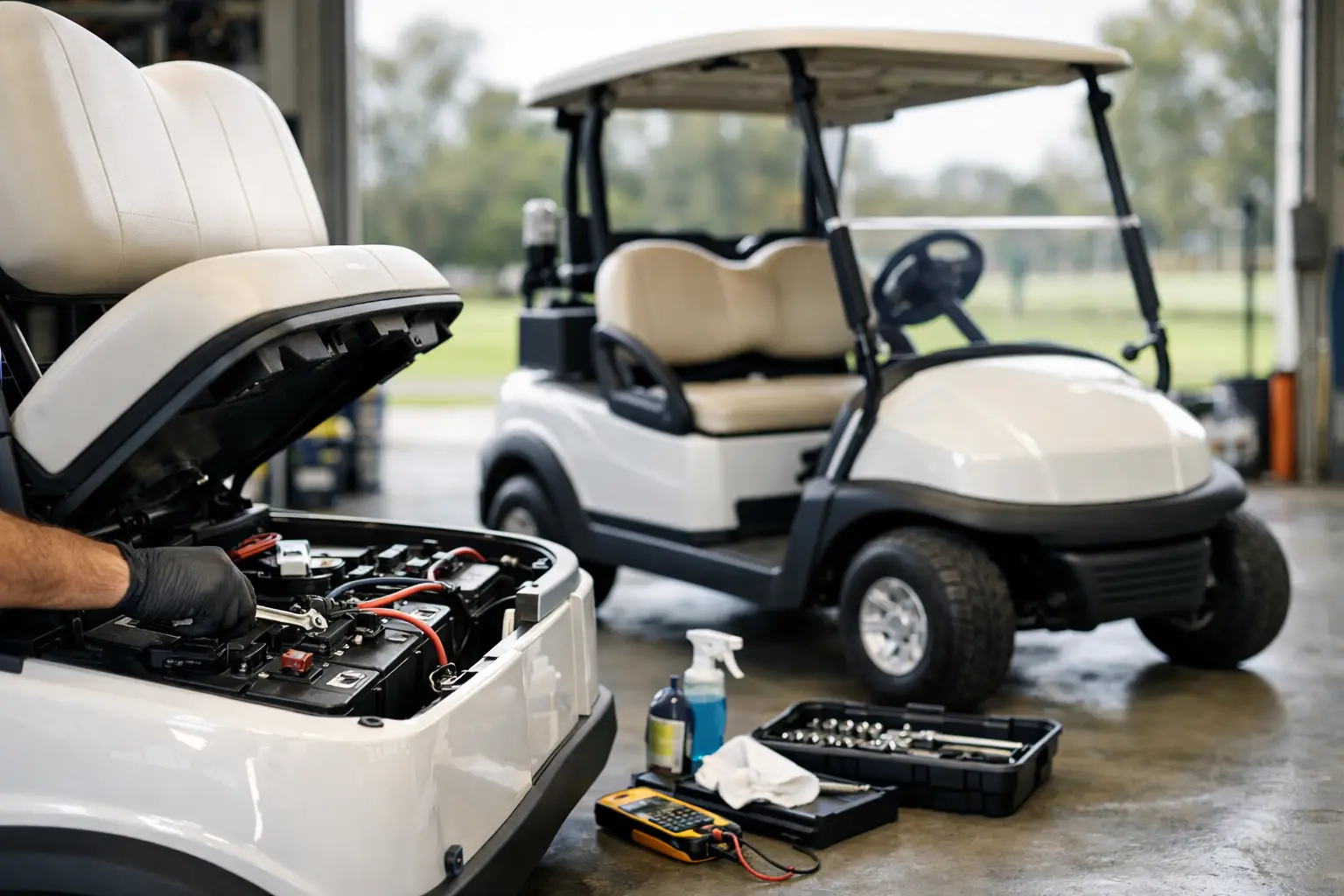
A golf cart that looks great in the driveway but won’t hold a charge by Saturday is not much of a lifestyle upgrade. The good news is that most electric golf cart maintenance tips are simple, fast, and cheap compared with the cost of avoidable battery damage, tire wear, or electrical issues.
If you use your cart for neighborhood rides, community errands, campground cruising, or getting around a resort property, regular upkeep matters more than most owners think. Electric carts are easy to live with, but they are not maintenance-free. Stay ahead of the basics, and you get better range, steadier performance, and fewer surprise service visits.
Why electric golf cart maintenance tips matter
The biggest mistake owners make is waiting for a problem before paying attention. By the time your cart feels sluggish, loses speed on mild hills, or starts acting unpredictable at the charger, the issue may already be costing you battery life or stressing other components.
Routine maintenance protects the parts that make electric carts such a smart buy in the first place - the battery system, tires, brakes, connections, and charger. It also helps preserve resale value. A well-kept cart with clean wiring, healthy batteries, and consistent service history is a lot easier to sell or trade than one that has clearly been ignored.
There is also a comfort factor. A cart that starts every time, tracks straight, and charges properly is just more enjoyable to own. That matters when your cart is part of everyday life, not just a once-a-month toy.
Start with the battery, because everything else depends on it
If there is one area to take seriously, it is battery care. Your battery pack is the heart of the cart, and poor habits here shorten range and lifespan faster than anything else.
Charge the cart after use rather than letting it sit low for long periods. Deeply discharged batteries age faster, especially if the cart is parked for days without being plugged in. If you use the cart lightly, it still helps to follow the charging schedule recommended for your battery type instead of guessing.
It also pays to use the correct charger. A mismatched or low-quality charger can undercharge or overcharge the pack, and both are bad news over time. If your charger gets unusually hot, shuts off unpredictably, or takes much longer than normal, do not brush it off as a minor quirk.
For lead-acid batteries, water levels need regular checks. Use distilled water only, and never overfill. The timing matters too. In most cases, water should be added after charging unless the plates are exposed. Lithium batteries are lower maintenance, which is one reason many owners prefer them, but that does not mean you should ignore charging behavior or storage conditions.
Keep terminals clean and connections tight
Battery terminals collect corrosion, especially in humid climates and coastal areas. That buildup interferes with power flow and can cause weak performance or charging issues.
Look for white, green, or bluish residue around the terminals. If you see it, clean it carefully and make sure all cable connections are secure. Loose terminals create resistance and heat, and heat is never your friend in an electric vehicle.
Check tire pressure more often than you think
Low tire pressure makes a cart feel slow and sloppy. It also reduces range because the motor has to work harder to move the vehicle. On the other hand, overinflated tires can make the ride harsher and reduce traction.
Most owners do not notice pressure changes until a tire looks visibly low, and by then handling has already suffered. Check pressures regularly, especially during seasonal temperature swings. If your cart pulls to one side or the steering feels off, tires are one of the first places to look.
While you are there, inspect tread wear. Uneven wear can point to alignment or suspension issues, which are easier and cheaper to fix early.
Keep the cart clean, but clean it the right way
A clean cart is not just about appearance. Dust, grass, sand, and road grime collect around moving parts, electrical areas, and underbody components. Over time, that buildup can contribute to wear and corrosion.
Wash the body as needed, but avoid blasting electrical components with high-pressure water. That is where good intentions can turn into expensive repairs. Use a gentler approach around the battery compartment, wiring, dash, and charging port.
If you live near the coast or use the cart in wet, sandy areas, rinsing and drying it properly matters even more. Salt and moisture are a rough combination for metal hardware and electrical connections.
Do not ignore brakes just because the cart is electric
Electric carts are quieter than gas models, and that can make owners overlook brake feel until it becomes obvious. If the pedal feels soft, stopping distance increases, or you hear grinding or squealing, it is time for service.
Brake wear depends on how and where you drive. Flat neighborhood cruising is easier on the system than frequent stops, hills, or hauling extra passengers. If your cart is lifted, upgraded with larger wheels, or regularly carries family and gear, the brakes may need more attention.
A quick brake inspection during routine service can catch worn pads, adjustment issues, or hardware problems before they turn into a safety concern.
Watch for changes in range, speed, and sound
One of the best maintenance habits is simply paying attention. Electric carts usually give warning signs before a bigger failure happens.
If your cart suddenly loses range, feels weaker off the line, hesitates when accelerating, or struggles more than usual on gentle inclines, do not assume it is normal aging. It could be the battery pack, but it could also be tire pressure, a charger problem, cable resistance, or controller-related issues.
Unusual clicking, humming, or vibration matters too. Some sounds are harmless. Others point to motor, axle, or suspension wear. The key is not trying to diagnose everything yourself if the behavior changes noticeably. Catching a small issue early usually beats replacing a major part later.
Store it smart when you are not using it
A cart that sits for weeks needs a different kind of care than one used daily. Storage mistakes quietly shorten battery life and create avoidable problems.
If the cart will be parked for an extended period, keep it in a covered, dry area when possible. Extreme heat is hard on batteries, and long exposure to cold can affect performance. Follow the recommended storage procedure for your battery type, including charge level and charger use.
This is especially important for seasonal owners and second-home buyers. Letting a cart sit neglected through part of the year is one of the fastest ways to create battery trouble when you are ready to ride again.
Schedule professional service before you need it
Some maintenance is easy to handle at home. Some is better left to trained technicians who know the platform, the battery system, and the brand-specific components.
That matters even more if your cart has upgraded electronics, higher-speed settings, custom wheels, rear seat kits, lights, sound systems, or lithium conversions. Modern carts are more capable and feature-packed than older models, which is great for ownership but also means service should be done carefully.
Professional inspections can catch things most owners will not see, such as controller issues, charger faults, suspension wear, and early signs of battery imbalance. For buyers who want easy ownership instead of weekend troubleshooting, having a trusted service partner is worth it.
The best electric golf cart maintenance tips are the ones you actually follow
You do not need a complicated checklist or a garage full of tools. You need a few consistent habits: charge properly, check water if you have lead-acid batteries, keep terminals clean, monitor tire pressure, wash the cart carefully, and take performance changes seriously.
If you are shopping newer models, this is also where buying from the right dealership makes a difference. A quality cart backed by warranty support and real service guidance is easier to own from day one. That is one reason many buyers choose EV Superstore when they want premium carts without the usual runaround.
The payoff for good maintenance is simple. Your cart stays ready when you are, whether that means a quick trip through the neighborhood, an afternoon with family, or a sunset cruise that does not get cut short by a preventable problem.