
Electric vs Gas Golf Carts: Which Wins?
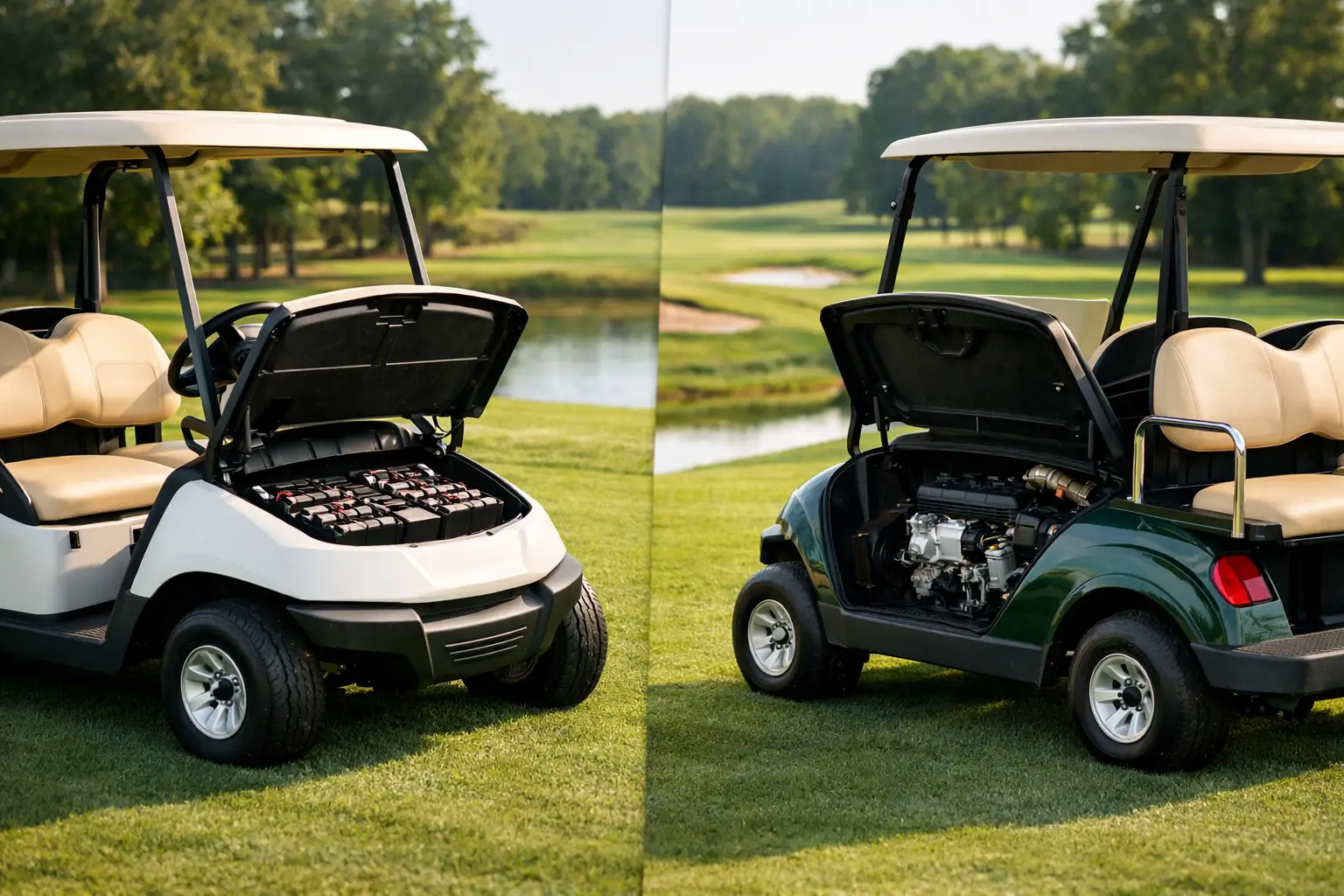
You feel the difference before you even hit the pedal. One cart starts quietly and glides out of the driveway. The other rumbles, smells like fuel, and sounds more like yard equipment than neighborhood transportation. When people compare electric vs gas golf carts, that first impression usually says a lot - but it is not the whole story.
If you are buying a cart for personal use, the right choice depends on how you plan to use it, where you live, and how much hassle you want after the sale. For most homeowners, retirees, and neighborhood cruisers, electric has become the easy favorite. But gas still makes sense in a few specific situations. Here is the real-world breakdown.
Electric vs Gas Golf Carts for Everyday Use
For personal transportation, electric carts fit the way most people actually drive. They are quiet, simple to operate, and easy to live with. If your typical trip is around the neighborhood, through a golf community, around a property, or over to the pool, clubhouse, or local stop nearby, electric usually feels like the more modern option because it is.
Gas carts appeal to buyers who think first about long run times and fast refueling. If you have a very large property, spend all day driving without long breaks, or use a cart in a more work-focused setting, gas can still have a place. That said, a lot of people assume gas is automatically stronger or better for all heavy use, and that is not always true anymore. Today’s electric carts are more capable, more refined, and better equipped than many buyers expect.
The bigger question is not which type existed first. It is which one fits your life now.
Cost of Ownership Is Where the Gap Gets Real
Sticker price matters, but ownership cost matters more. Gas carts can sometimes look competitive up front, especially on older models or basic trims. Over time, though, they usually ask for more from your wallet.
A gas cart needs fuel, oil changes, engine service, filters, spark plugs, and more routine mechanical attention. None of that is shocking on its own, but it adds up. Electric carts skip most of that hassle. Charging is generally far cheaper than filling a tank, and maintenance is usually lighter because there are fewer moving parts involved.
Battery type matters here. Older lead-acid setups need more care and replacement planning. Lithium changes the equation in a big way. It charges faster, lasts longer, and cuts down on maintenance, which is one reason so many personal-use buyers now lean electric.
If you want a cart that feels easy to own instead of one more machine to maintain, electric has a strong edge.
Performance: Speed, Torque, and Range
This is where buyers often expect gas to dominate. In reality, it depends on what performance means to you.
Electric carts deliver smooth, immediate torque. That means they feel quick off the line, responsive in neighborhoods, and easy to control in stop-and-go driving. For cruising residential streets, gated communities, campgrounds, and resort areas, that instant power feels great. It is clean, quiet acceleration without the noise and vibration.
Gas carts can make sense if you need extended run time without waiting to recharge. You can refill quickly and keep going, which matters for all-day use in remote areas or job-site style applications. But for the average personal-use driver, range anxiety is often overstated. If you charge overnight and use the cart the way most owners do, electric range is typically more than enough.
Terrain also matters. Hills, passenger load, tire size, and cart setup all affect performance. A well-built electric cart with the right battery and motor can handle neighborhood and community driving with confidence. If you are hauling gear across a large property all day, gas may still deserve a look. For lifestyle use, electric is usually the stronger fit.
Noise, Smell, and Overall Experience
This category is not close.
Electric carts are simply more pleasant to own for most people. They are quiet enough for early morning rides, late evening cruises, and conversations with passengers without engine noise in the background. There is no gasoline smell in the garage, no exhaust, and no rough startup. You press the pedal and go.
Gas carts bring more noise, more vibration, and more odor. Some buyers do not mind that, especially if they are using the cart in a work environment. But if your cart is part of your lifestyle - taking the family around the neighborhood, visiting friends, heading to the clubhouse, or just enjoying a casual drive - electric feels cleaner and more premium.
That ownership experience matters more than people think. A cart is not just transportation. For a lot of buyers, it is part of how they enjoy where they live.
Maintenance and Reliability
If you want low drama, electric wins again.
Gas engines come with more maintenance by design. They have more mechanical systems to service and more things that can wear out. That does not mean gas carts are bad. It just means they require more attention over time. If you stay on top of service, they can be dependable. If you want fewer appointments, fewer fluids, and fewer moving parts, electric is the easier road.
Modern electric carts, especially lithium-powered models, are built for convenience. Charge them, use them, and keep moving. That simplicity is a major reason so many buyers are upgrading out of older gas or lead-acid carts and into newer electric models with better features and fewer headaches.
This is also where buying from the right dealer matters. A quality cart backed by warranty coverage and real service support makes ownership easier from day one.
Where Gas Still Makes Sense
Electric is the better fit for many personal-use buyers, but gas is not obsolete.
If you are driving for long stretches in areas where charging is inconvenient, gas has an advantage. If your property is very large, your use is more utility-driven than recreational, or the cart needs to stay active all day with minimal downtime, quick refueling can be useful. Some rural owners also prefer gas because they are already comfortable maintaining small engines.
That said, these are narrower use cases than they used to be. As electric technology improves, especially with lithium batteries and better onboard features, the reasons to choose gas keep shrinking for lifestyle buyers.
Why So Many Buyers Are Choosing Electric Now
The modern electric cart is not the stripped-down vehicle people remember from years ago. Today’s premium electric models are built for comfort, style, and everyday convenience. Buyers want lifted suspensions, upgraded wheels, rear seats, sound systems, premium lighting, and practical features like backup cameras and faster charging. Electric carts are leading that shift.
They also fit how people shop now. Customers want straightforward pricing, financing options, quick delivery, and a cart that is ready to enjoy instead of ready for a project. That is a big reason electric carts continue to gain ground with homeowners, retirees, and recreational buyers across the country.
At EV Superstore, that demand shows up every day in customers who want something better than an aging, noisy cart. They want modern design, easy ownership, and a vehicle that feels fun every time they use it.
How to Choose the Right One for Your Property
Start with your actual routine, not a hypothetical worst-case day. If you mostly drive short to moderate distances, store the cart at home, and want quiet, easy neighborhood transportation, electric is almost certainly the better fit. If your priority is maximum runtime in areas without reliable charging, gas may still be worth considering.
Then think about your tolerance for maintenance. Some buyers do not mind engine service and fuel stops. Others want the simplest ownership experience possible. Be honest about which one you are.
Finally, think beyond transportation. A golf cart is often a lifestyle purchase. It should be comfortable, attractive, dependable, and easy to enjoy. That is why so many shoppers who start out asking about electric versus gas end up choosing electric once they test drive both.
The best cart is the one you will love using, not the one that only sounds good on paper. If your goal is smooth rides, simple ownership, and a more premium feel every time you head out, electric is hard to beat.