
9 Golf Cart Battery Maintenance Tips
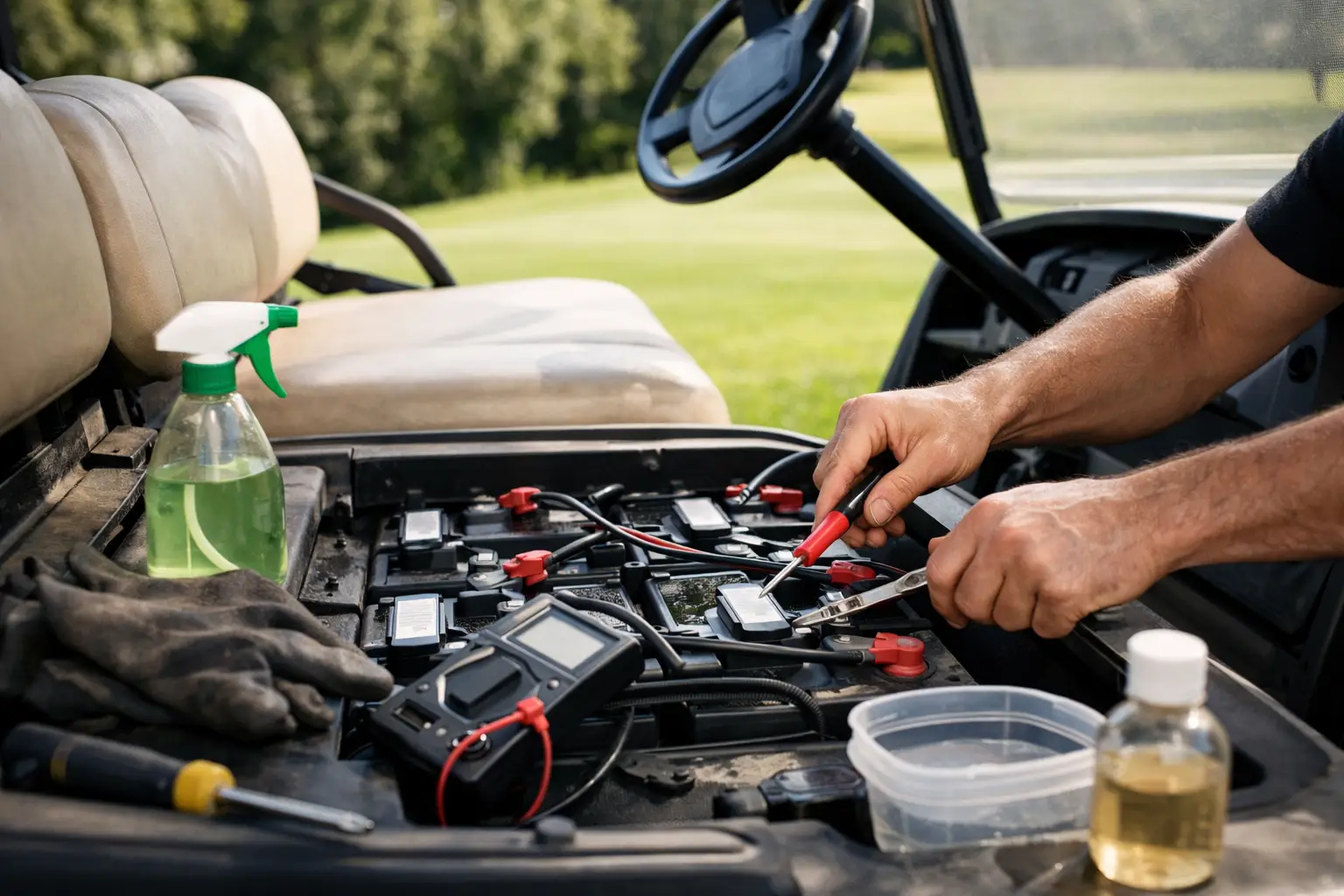
A golf cart that suddenly loses range halfway through a neighborhood cruise usually is not “just getting old.” More often, the batteries have been undercharged, overwatered, left dirty, or stored the wrong way. The good news is that solid golf cart battery maintenance tips are simple to follow, and they can save you from weak performance, early battery replacement, and frustrating downtime.
If you use your cart for quick errands, community rides, or weekend family trips, battery care is part of easy ownership. You do not need to be a technician to get it right. You just need a routine that matches how you actually use your cart.
Why battery care changes everything
Your batteries are the heart of an electric golf cart. When they are maintained properly, you get stronger acceleration, better range, more consistent charging, and fewer service headaches. When they are neglected, the cart can feel sluggish, the charger may run longer than normal, and battery life can drop fast.
That matters because batteries are one of the biggest ownership costs on an electric cart. A little attention now can help you delay a replacement bill later. It also protects the rest of the electrical system, since weak batteries can put extra strain on cables, terminals, and charging components.
Golf cart battery maintenance tips that actually work
1. Charge after use, not weeks later
One of the most common mistakes is parking the cart after a ride and planning to charge it later. Lead-acid batteries do best when they are recharged soon after use. Letting them sit in a partially discharged state encourages sulfation, which reduces capacity over time.
If you use your cart several times a week, build charging into your normal routine. Pull in, plug in, and let the charger finish its cycle. For most owners, consistency matters more than chasing complicated charging tricks.
Lithium batteries can be more forgiving, but that does not mean they should be ignored. Follow the battery maker’s charging recommendations, especially if your cart came with a specific charger setup.
2. Use the right charger for your battery setup
Not every charger works for every battery type. A charger designed for one voltage or chemistry can undercharge or damage another system. That is especially important if you upgraded from lead-acid to lithium or bought a used cart with aftermarket components.
If you are not sure what matches your cart, check the battery pack voltage and battery type before plugging in anything new. A correct charger helps deliver a full charge safely and consistently. A mismatched one creates expensive problems that often show up slowly.
3. Keep water levels where they belong
For flooded lead-acid batteries, watering is one of the most important golf cart battery maintenance tips, but timing matters. Add distilled water only when needed, and usually after charging unless the plates are exposed before charging. Filling too high before a charge can cause overflow, which leads to corrosion and mess.
Use distilled water, not tap water. Minerals in regular water can affect battery performance over time. Check levels on a schedule that makes sense for your climate and use. In hotter states like Texas or Florida, batteries may need more frequent attention because heat speeds up water loss.
If your cart has sealed AGM batteries or lithium batteries, this step does not apply. That is where owners get tripped up. Battery maintenance always depends on the battery type you have.
4. Clean the terminals before corrosion gets ahead of you
Battery corrosion is more than ugly. It can interfere with electrical flow and lead to poor performance or charging issues. A quick visual check every few weeks can help you catch buildup early.
If you see corrosion on lead-acid battery terminals, disconnect the system safely and clean the affected areas with the proper method for your battery setup. Dry everything thoroughly and make sure connections are tight when reassembled. Loose or dirty terminals create resistance, and resistance wastes power.
This is also a good time to inspect cables. If a cable looks frayed, damaged, or heat-stressed, it is worth addressing before it turns into a bigger electrical problem.
Storage habits matter more than most owners think
5. Do not let a cart sit discharged
Seasonal owners often run into this problem. The cart gets parked for a few weeks or months, the batteries sit low, and by the time they are needed again, performance is noticeably worse. Batteries hate being stored in a discharged state.
If you are storing the cart, charge the batteries first and follow the recommended storage process for your battery type. Some setups benefit from a maintenance mode or smart charger connection. Others should be checked and topped off at regular intervals. The right move depends on the battery system, storage temperature, and how long the cart will sit.
6. Store in a cool, dry place when possible
Heat is tough on batteries. Extreme cold can also affect performance, but prolonged heat is a bigger long-term threat in many US markets. A cart stored in a hot garage all summer may lose water faster, age sooner, and charge less efficiently.
Whenever possible, store the cart in a covered, ventilated space. You may not control the weather, but you can reduce direct exposure. That small step helps preserve battery health and keeps other cart components in better shape too.
Driving habits affect battery life too
7. Avoid running the batteries all the way down
It is tempting to squeeze in one more trip when the charge is low, but deep discharging lead-acid batteries on a regular basis shortens their lifespan. Try to recharge before the battery pack gets severely drained.
This is not about babying the cart. It is about avoiding repeated stress. If your current battery setup struggles to handle your normal routine, that is a sign to talk with a service team about battery health, charging behavior, or whether your cart is due for an upgrade.
8. Watch for performance changes early
A healthy battery pack usually gives you predictable range and power. If your cart starts slowing down on mild hills, taking much longer to charge, or losing range faster than usual, pay attention. Those are early warning signs.
Sometimes the issue is a single weak battery in the pack. Sometimes it is poor maintenance. Sometimes it is simply age. Catching the problem early can mean the difference between a service visit and a full battery replacement.
This is where professional support can save time. A proper battery test gives you real answers instead of guesswork.
One maintenance routine beats occasional catch-up
9. Build a simple monthly battery check
The best battery care plan is the one you will actually stick with. For most owners, a quick monthly check is enough to stay ahead of trouble. Look at charge habits, inspect terminals, check water levels if you have flooded batteries, and notice whether the cart’s range feels normal.
If you drive daily, live in a hot climate, or use the cart for longer rides, that check may need to happen more often. If your cart is lightly used and stored indoors, your schedule may be a little more relaxed. There is no one-size-fits-all rule, and that is exactly the point. Good maintenance matches real-world use.
Lead-acid vs. lithium: the maintenance difference
Not all battery systems ask the same thing from you. Traditional lead-acid batteries usually cost less upfront, but they need more hands-on care. That means watering, cleaning, and closer attention to charging habits.
Lithium batteries are popular because they are lower maintenance, lighter, and often charge faster. They can be a strong fit for owners who want convenience and dependable performance. The trade-off is usually a higher upfront cost. For many buyers, that trade-off makes sense. For others, especially if the cart sees lighter use, a well-maintained lead-acid setup can still be a practical choice.
If you are shopping for a newer electric cart, battery type is not a small detail. It shapes the ownership experience from day one.
When DIY stops being the smart move
Routine battery care is manageable for most owners, but there is a line between maintenance and diagnosis. If your charger is acting strangely, one battery keeps testing low, the cart loses power under load, or cables are getting hot, it is time for service. Guessing can cost more than getting it checked properly.
For buyers who want a premium cart without the usual ownership headaches, working with a dealership that supports service after the sale matters. That is one reason many customers look for a full-service experience instead of just chasing the lowest sticker price.
A strong battery routine does not need to be complicated. Charge consistently, keep the system clean, store the cart the right way, and pay attention when performance changes. Do that, and your cart is far more likely to stay ready for the fun part - getting out and using it.