
Golf Cart Battery Replacement Cost Explained
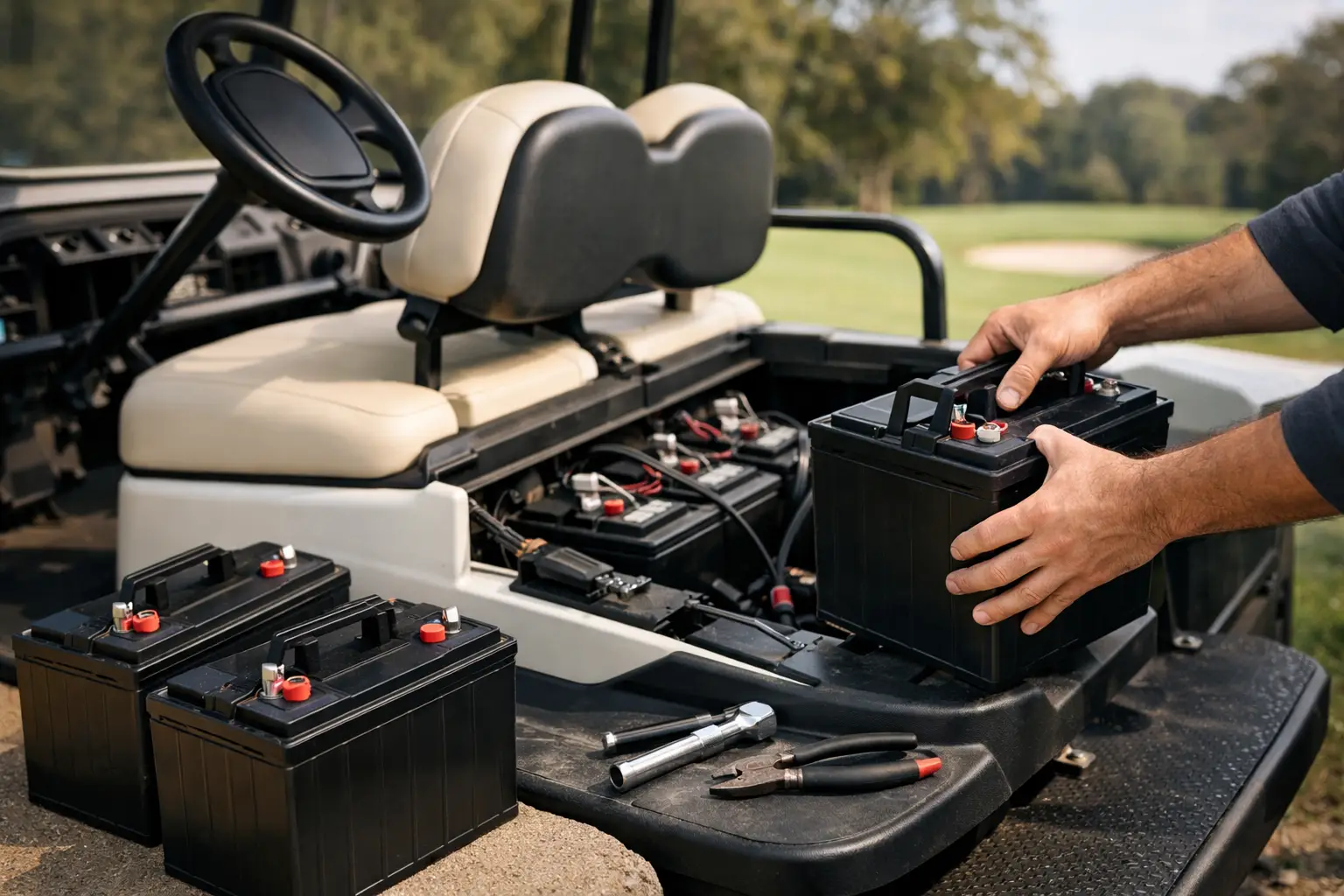
Sticker shock usually hits when the cart starts slowing down on hills, takes longer to charge, or quits halfway through the neighborhood loop. That is when golf cart battery replacement cost goes from a vague future expense to a very real decision - and one that can vary by hundreds or even thousands of dollars depending on the cart, battery type, and how you plan to use it.
If you own a personal-use electric cart, the short answer is this: replacing a full set of batteries can cost anywhere from about $800 to $3,500 or more. That is a wide range, but there is a reason for it. A lead-acid setup for an older cart sits at the lower end, while a lithium upgrade for a newer premium model lands much higher upfront. The right choice is not always the cheapest one. It is the one that matches how often you drive, how long you plan to keep the cart, and how much convenience matters to you.
What affects golf cart battery replacement cost?
The biggest factor is battery chemistry. Traditional flooded lead-acid batteries are usually the most affordable to buy, which is why many older carts still use them. AGM batteries can cost more, but they are sealed and lower maintenance. Lithium batteries bring the highest purchase price, yet they typically offer longer life, lighter weight, faster charging, and less upkeep.
Voltage setup matters too. Many golf carts run on 36-volt or 48-volt systems, and the number of batteries in the pack changes the total price. A 48-volt cart might use six 8-volt batteries, eight 6-volt batteries, or a single lithium conversion pack depending on the model. More components usually mean more replacement cost.
Brand quality also plays a role. Bargain batteries may look attractive on day one, but lower-quality cells can fade faster, require more maintenance, and deliver less consistent performance. Premium batteries cost more because they are built to hold up better under regular neighborhood use, passenger loads, and stop-and-go driving.
Then there is labor. If you are replacing batteries yourself, you can save on installation. If you want a service team to test the cart, remove the old pack, install the new one, inspect cables, and confirm the charger is compatible, that adds to the total. For many owners, that extra cost is worth it because battery issues are not always just battery issues. Corroded terminals, weak cables, or a mismatched charger can shorten the life of a brand-new set.
Typical golf cart battery replacement cost by battery type
For most owners, flooded lead-acid batteries are the entry-level option. A full replacement set often lands around $800 to $1,500 depending on brand, voltage, and local labor rates. This keeps upfront spending lower, but you trade that for routine watering, terminal cleaning, and a shorter overall lifespan.
AGM batteries usually fall somewhere around $1,200 to $2,000 for a full pack. They appeal to owners who want less maintenance without jumping all the way to lithium pricing. They can be a practical middle ground, though they still do not usually match lithium for long-term cycle life.
Lithium is where pricing climbs. A lithium conversion or replacement commonly starts around $2,000 and can exceed $3,500 depending on capacity, included electronics, charger requirements, and installation. That number can feel steep at first glance, but many buyers prefer lithium because it reduces maintenance, improves range consistency, and cuts charging hassle.
That is why the cheapest battery option is not automatically the lowest cost to own. If you use your cart often, plan to keep it for years, or want stronger performance with less maintenance, lithium may make financial sense over time.
Why labor and parts can change the final bill
Battery replacement is not always a simple swap. Some carts need new cables, hold-down hardware, terminal protectant, or updated charging equipment. If the existing charger is not compatible with the new battery type, especially with lithium, you may need to factor that into the project cost.
There is also diagnostic work. A good service team should confirm that the batteries are truly the issue before replacing anything. Sometimes owners assume the pack is dead when the real problem is a failing charger, damaged cable, or controller issue. Paying for proper diagnosis can save you from replacing expensive parts unnecessarily.
Pickup and delivery can also affect pricing if the cart is not drivable or if you prefer not to transport it yourself. For customers who value convenience, that can still be the right call. It keeps the process simple and helps ensure the cart comes back ready to use.
Lead-acid vs lithium: which one makes more sense?
This is where golf cart battery replacement cost becomes a bigger ownership question. Lead-acid batteries usually win on upfront price. If you use your cart casually, do not mind routine maintenance, and want the lowest immediate expense, they can still be a solid fit.
Lithium wins on convenience and performance. It is lighter, which can help the cart run more efficiently. It charges faster, usually holds voltage better as the battery drains, and eliminates watering and much of the mess that comes with lead-acid ownership. For people using their carts in golf communities, neighborhoods, resorts, or large properties several times a week, that ease of use matters.
There is a trade-off, though. Not every older cart is an ideal candidate for a lithium upgrade without checking compatibility. Some carts may need charger changes or other adjustments. That is why expert guidance matters. The best battery choice depends on your cart model, how often you drive, and whether you are trying to stretch another year or two out of an older vehicle or invest in a better long-term setup.
Signs it is time to replace your batteries
Most battery packs do not fail all at once. Performance usually fades first. You may notice less range, slower acceleration, reduced hill-climbing power, dimming lights, or longer charging times. The cart may also feel strong at the start of a ride and then drop off quickly.
Physical signs matter too. Bulging cases, leaking fluid, corrosion around terminals, or batteries that will not hold a charge are all red flags. If your batteries are several years old and the cart is becoming unreliable, replacement may be more cost-effective than repeated service visits trying to squeeze out a little more life.
If your cart is otherwise in great shape, new batteries can make it feel dramatically better. If the cart is outdated and needs other repairs too, it may be smarter to compare battery replacement against the value of upgrading to a newer electric model with modern features and warranty support.
How to avoid overpaying for battery replacement
The first move is getting a real quote based on your cart, not a generic online estimate. Battery costs vary by voltage, battery brand, labor, and whether anything else needs attention. A low advertised price often leaves out installation, cable replacement, or charger updates.
It also helps to ask what is included. Does the quote cover battery removal, installation, testing, and disposal of old batteries? Is there a warranty on the batteries and labor? Are you getting a battery setup that fits your driving habits, or just the cheapest pack available?
For buyers who use their cart regularly, it is smart to think beyond today’s invoice. Spending less now can turn into replacing batteries sooner, dealing with more maintenance, and putting up with weaker performance. Spending more for the right setup can feel better every time you turn the key.
When replacement is worth it - and when upgrading the cart may be smarter
If you have a dependable cart with good tires, solid electronics, and a body you still like, replacing the batteries is often the simplest path. It refreshes the vehicle you already know and avoids the cost of a full replacement.
But if your cart is aging out, lacks the features you want, or needs multiple repairs on top of batteries, the math can shift fast. That is especially true for owners who want more speed, better styling, upgraded seats, premium wheels, rear seats, sound systems, or backup cameras. In those cases, putting major money into an old cart may not be the best value.
That is where working with a dealership that understands both service and sales can help. You want honest advice, transparent pricing, and options that fit your lifestyle, whether that means replacing a battery pack or stepping into a newer cart that is ready for the neighborhood from day one.
A battery bill can feel like bad news at first, but it is also a useful checkpoint. If your current cart still fits your life, the right battery setup can give it a strong second wind. If it no longer does, this may be the moment to choose easier ownership, better range, and a cart you are excited to drive every day.