
Golf Cart Financing vs Cash: Which Fits You?
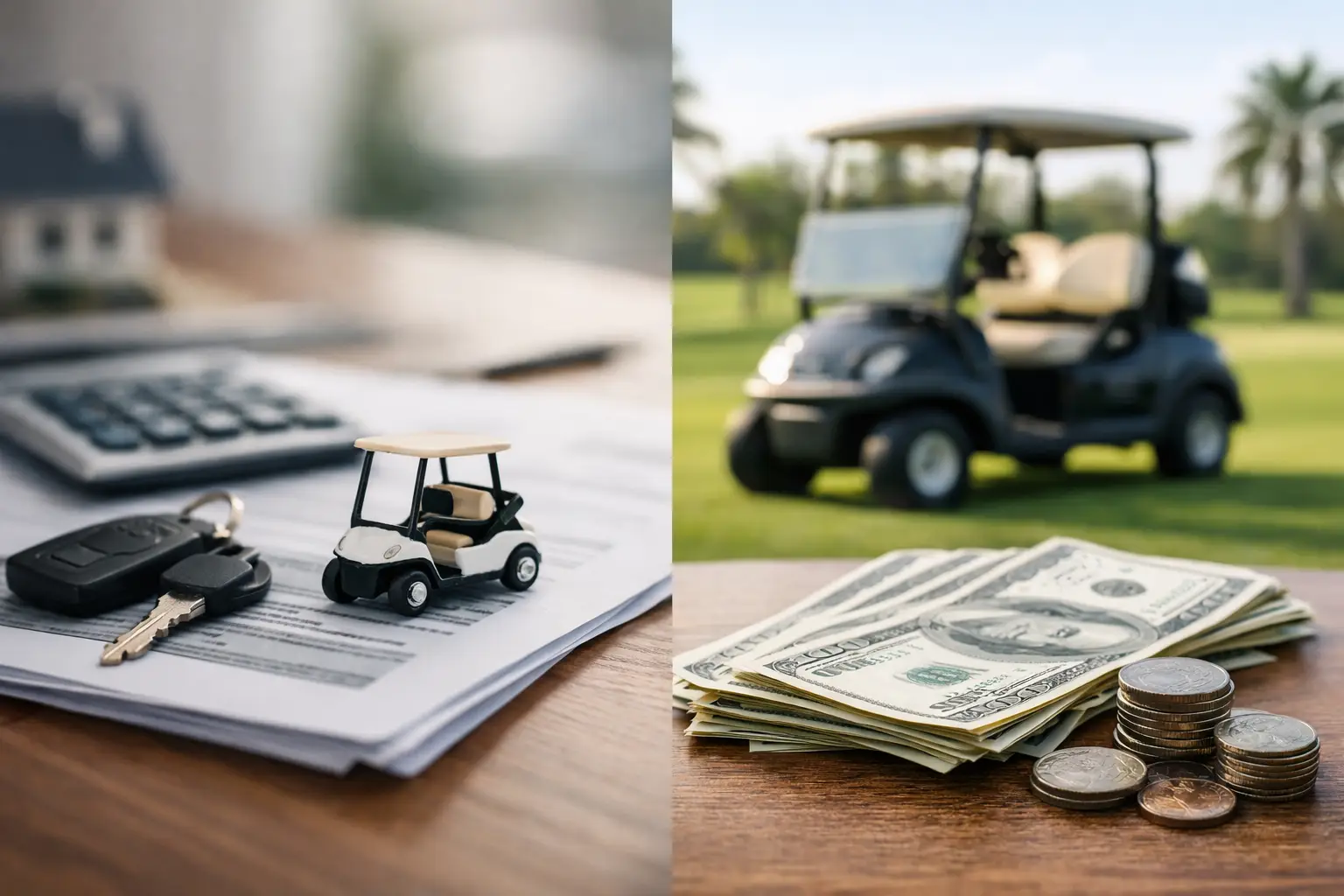
A new electric golf cart can change the way you move through your neighborhood, get to the clubhouse, or load up the family for an evening cruise. But before you pick the color, seating layout, speakers, and camera package, there is one decision that shapes the entire purchase: golf cart financing vs cash.
There is no one-size-fits-all answer. Paying cash can feel great when you want a clean, simple transaction. Financing can keep more money available for the rest of your life while putting you behind the wheel now. The right move depends on your budget, your comfort with a monthly payment, and what you plan to do with the money you do not spend upfront.
Golf Cart Financing vs Cash: Start With the Real Cost
Cash buyers know exactly what they are spending at the time of purchase. Once the cart, applicable taxes, registration requirements, delivery, and any selected accessories are paid for, there is no loan balance and no interest. That certainty is a major advantage for buyers who have the funds set aside and prefer not to take on another monthly obligation.
Financing spreads the purchase price over time. Instead of using a large amount of cash in one day, you make a down payment, if required, followed by fixed monthly payments based on the loan amount, interest rate, and term. You will generally pay more overall because of interest, but the monthly commitment may be much easier to fit into your budget.
The key is to compare the total cost, not just the payment. A low monthly number can look attractive until you see that it is tied to a longer term or a higher rate. Ask for the amount financed, annual percentage rate, term length, monthly payment, and total of all payments. A transparent breakdown gives you a real comparison against paying cash.
A quick example
Imagine your fully equipped electric cart comes to $15,000 before any down payment. Paying cash means the purchase is complete at $15,000, plus applicable transaction costs. Financing $12,000 after a $3,000 down payment could preserve that extra cash for other priorities, but your final total will include interest.
Whether that interest is worthwhile depends on what financial flexibility means to you. If keeping savings available for home repairs, travel, medical expenses, or business needs brings peace of mind, financing may be a sensible trade-off. If you have ample reserves and simply want to avoid interest, cash may be the stronger fit.
When Paying Cash Makes Sense
Cash is often a smart choice for buyers who have a dedicated recreational vehicle budget and will still have a healthy emergency fund after the purchase. It is especially appealing if you dislike recurring payments or want to keep your monthly household expenses as low as possible.
A cash purchase also makes budgeting straightforward. There is no future payment date to manage, no lender requirements, and no interest charges over time. For retirees or homeowners on a fixed income, that predictable ownership experience can be a major benefit.
Paying cash may also give you more room to focus on the cart itself. You can select the upgraded seats, rear-facing seat kit, premium wheels, backup camera, or sound system you want without trying to hit a particular monthly payment target. Just be careful not to drain cash reserves to make the deal happen. A golf cart should add freedom to your lifestyle, not create pressure the next time an unexpected expense arrives.
Cash does not always mean a better deal
It is easy to assume cash is automatically the winning financial choice. It is not always that simple. If a lender offers competitive terms and you can earn more by keeping your money in savings or investments than the financing costs, using cash may not be the most efficient option.
More practically, a buyer with $20,000 available may not want to use most of it on one purchase. Keeping funds liquid can matter more than eliminating interest, particularly for families, seasonal homeowners, and buyers balancing several large expenses at once.
When Financing an Electric Golf Cart Is the Better Fit
Financing is built for buyers who want to enjoy a premium cart now without making a large upfront payment. It can be a practical path to a newer, feature-rich vehicle rather than settling for an older cart simply because it costs less today.
That matters when you are buying for real everyday use. A modern personal-use electric cart may become the go-to ride for neighborhood visits, community events, pool trips, errands where permitted, and weekend fun. Choosing the model that fits your needs from the start can be more satisfying than buying bare-bones and wishing you had added the comfort, storage, or safety features later.
Financing can also make customization more manageable. If you want lifted suspension, upgraded seating, a rear seat, enhanced lighting, premium audio, or a higher-capacity battery setup, a monthly payment may make those choices more accessible. The goal is not to stretch beyond your means. It is to build a payment around a cart you will enjoy owning for years.
Your credit profile and loan terms matter
Approval, down payment requirements, and rates vary by lender and applicant. Strong credit may qualify for more favorable terms, while buyers rebuilding credit may have different options and a higher cost of borrowing. A quick approval is helpful, but do not stop at approval alone. Read the loan terms before signing.
Pay special attention to whether there is a prepayment penalty, which is a fee some lenders charge for paying off a loan early. Also ask whether the rate is fixed for the life of the loan. Fixed payments make it easier to plan, especially when you are fitting a new cart into a household budget.
A shorter loan term usually means a higher monthly payment but less interest paid overall. A longer term lowers the monthly payment but can increase the total finance charge. Choose the shortest term that feels comfortable without putting your monthly cash flow in a bind.
Questions to Ask Before You Choose
A smart decision starts with a few honest questions. Can you pay cash and still maintain an emergency reserve? Would a monthly payment affect your ability to enjoy travel, family plans, or home projects? How long do you expect to keep the cart? Are you buying a basic vehicle for occasional use, or a well-equipped electric cart that will become part of your daily lifestyle?
Also think about the future value of the cart. Well-maintained, quality electric carts with desirable features can hold appeal when it is time to sell or trade. That does not mean you should treat a golf cart as an investment. It does mean that choosing a reputable brand, proper service support, and features your community values can improve the ownership experience from day one through resale.
For buyers shopping remotely, get a complete purchase picture before finalizing anything. Confirm what is included in the advertised price, understand delivery timing and costs, review warranty coverage, and ask how future service needs will be handled. The payment method is only one part of a confident purchase.
Avoid These Financing Mistakes
The biggest mistake is shopping by payment alone. A $250 monthly payment may sound ideal, but it tells you almost nothing without the loan term, rate, down payment, and total amount paid. A better question is: what will this cart cost me in total, and does that number work for my budget?
Another common mistake is financing every dollar when you could make a reasonable down payment without weakening your savings. A larger down payment can lower your payment and reduce interest charges. On the other hand, putting too much down just to reach a certain payment can leave you short on cash. The right down payment should feel comfortable, not forced.
Finally, do not overlook ownership costs. Charging electricity, routine service, tires, insurance where appropriate, accessories, and storage can all be part of cart ownership. These costs are typically manageable, but they belong in the same budget as your payment or cash outlay.
Choose the Payment That Lets You Enjoy the Ride
Pay cash when you want the simplest ownership path, have the funds available, and can make the purchase without reducing your financial cushion. Finance when preserving cash, choosing the right equipment, or fitting the purchase into a predictable monthly budget matters more than avoiding interest.
The best choice is the one that makes your new cart feel like an upgrade from the first drive onward. At EV Superstore, a clear conversation about inventory, financing options, delivery, and long-term ownership can help you choose a ride and a payment plan that are both built for the road ahead.