
Golf Cart Home Delivery Made Easy
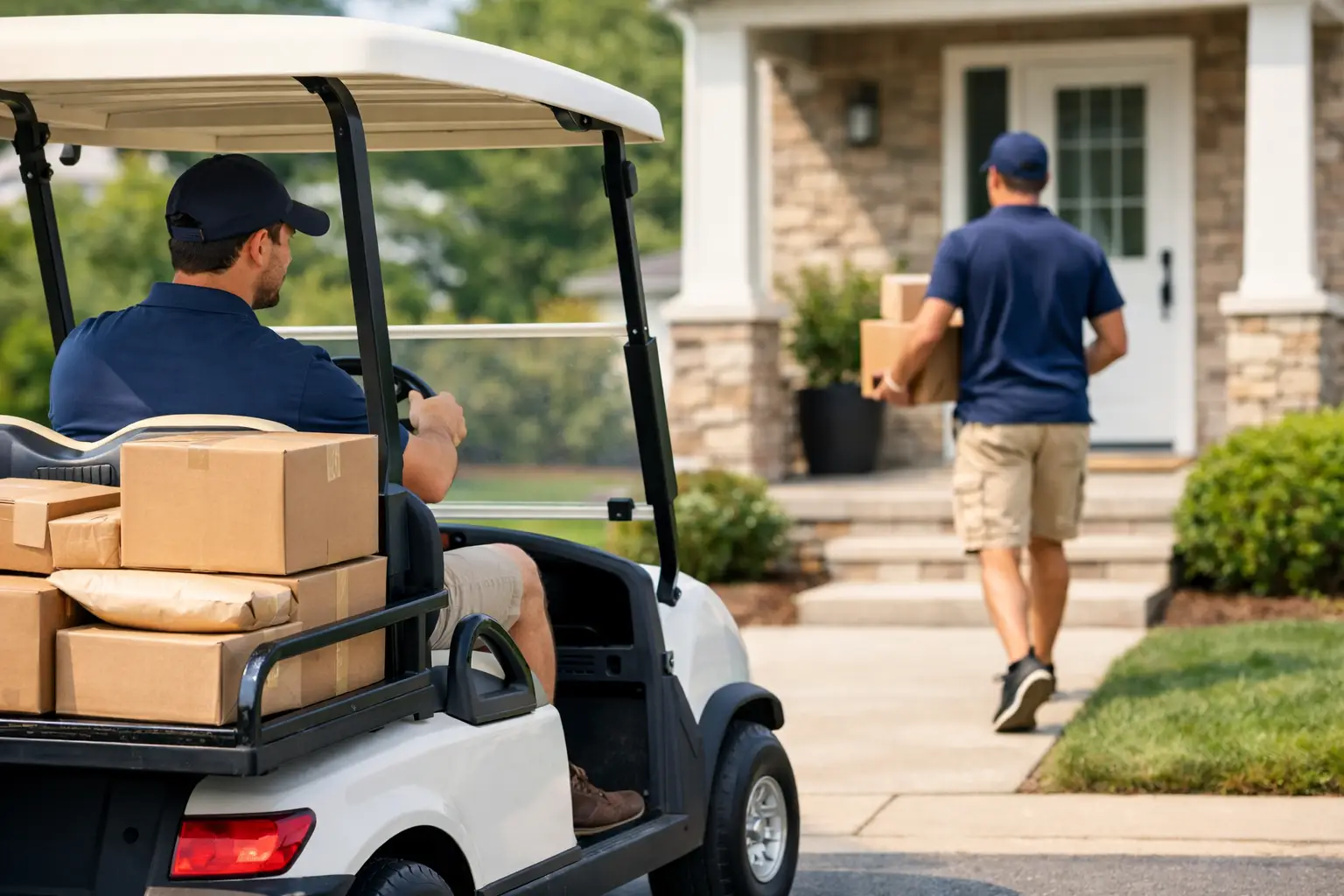
A showroom visit is great when you want to kick tires in person. But for a lot of buyers, the better question is simpler: can the right cart show up at my house, ready to enjoy? That is exactly why golf cart home delivery has become such a smart option for homeowners, retirees, neighborhood cruisers, and anyone who wants the fun without the back-and-forth.
If you are buying a personal-use electric golf cart for your community, your property, or weekend rides with the family, convenience matters. So does confidence. Home delivery is not just about dropping a vehicle in your driveway. It is about making the entire purchase process easier, from choosing the right model to financing, paperwork, transport, and what happens after it arrives.
Why golf cart home delivery is gaining ground
More buyers are shopping remotely because they already know what they want: better styling, more passenger room, premium features, and a cart that feels modern instead of stripped down. They want backup cameras, upgraded wheels, Bluetooth audio, lifted suspensions, lithium power, and speeds that fit neighborhood use. They also want to compare brands and pricing without burning a Saturday driving from dealer to dealer.
That is where home delivery changes the experience. Instead of limiting your choices to whatever is parked nearby, you can shop a broader inventory and find a cart that actually matches how you plan to use it. For many customers, especially in golf communities, suburbs, coastal towns, and master-planned neighborhoods, that wider selection is a bigger advantage than people realize.
There is also a trust factor. A reputable dealership can walk you through photos, specs, available upgrades, financing options, warranty coverage, and delivery timing before you commit. That gives you far more clarity than buying a used cart from a random local listing and hoping it runs well after the money changes hands.
What golf cart home delivery should include
Not every delivery experience is the same. The best ones start well before transport is scheduled.
First, the buying process should be clear. You should know the out-the-door price, what features are included, what add-ons are optional, and whether the cart is street-use capable where allowed, or better suited for private communities and recreational use. If the pricing feels vague or the answers keep changing, that is a red flag.
Second, financing should be straightforward if you want monthly payments. A strong dealership will help buyers understand approval options, credit scenarios, and what paperwork is needed without turning it into a headache. For many families, this is what makes a premium cart realistic instead of something they put off for another year.
Third, delivery coordination should be specific. You should know when the cart is expected to ship, how it will arrive, what kind of truck or trailer is being used, and whether someone needs to be home at drop-off. Good communication matters here. Nobody wants a vague delivery window and a driver calling out of nowhere.
Finally, support after delivery should still exist. If you have a question about charging, driving modes, warranty items, or basic setup, you should be able to reach a real team that knows the product.
How the process usually works
For most customers, golf cart home delivery starts online or over the phone. You browse models, compare seating capacity, look at available colors and features, and narrow down what fits your lifestyle. A lifted six-seater may be perfect for family rides and community events. A compact four-passenger cart may make more sense if you mainly want neighborhood mobility and easy parking.
After that, the paperwork is handled remotely. That can include a purchase agreement, financing application if needed, and confirmation of your delivery address. Some buyers still want a test drive first, especially if they are close to a showroom. Others are comfortable making the decision remotely once they have enough photos, videos, and answers.
Once the cart is prepared, delivery is scheduled. Depending on distance, inventory availability, and destination, timing can vary. Local or regional delivery may move faster. Nationwide transport can take longer, especially during busy seasons. That is normal. What matters is getting realistic expectations upfront.
When the cart arrives, the handoff should feel simple. The vehicle should match the agreed specs and arrive in clean, ready-to-use condition. In many cases, buyers just need a quick orientation on charging, keys, controls, and any special features before they are off and driving.
The trade-offs buyers should know
Home delivery is convenient, but it is still worth being honest about the trade-offs.
If you are the kind of buyer who wants to compare seat comfort across five models in one afternoon, an in-person visit may still help. Pictures and spec sheets go far, but they cannot fully replace sitting in the vehicle yourself. That is especially true if ride height, steering feel, or rear seat space is a big factor for you.
Delivery timing also depends on inventory and location. If you need a cart immediately for a seasonal move, family gathering, or property use, ask what is in stock and ready to ship. A custom build with specific upgrades may be worth the wait, but it will not always move as fast as an in-stock unit.
There is also the question of service access. A strong dealership can support customers remotely and coordinate warranty help, but local service convenience still matters. Before you buy, it is smart to ask how post-sale support works in your area, especially if you live far from a showroom.
None of these issues make home delivery a bad choice. They just mean the best purchase is the one that matches your timeline, comfort level, and expectations.
Who benefits most from golf cart home delivery
This option makes the most sense for buyers who value time and want a broader selection than local listings usually offer. It is a strong fit for homeowners in gated communities, retirees upgrading from older carts, second-home owners furnishing a vacation property, and families who want a safe, stylish vehicle for short local trips.
It also works well for customers who already know the features they care about. If you want lithium battery power, premium seating, larger wheels, LED lighting, a rear camera, or a six-passenger layout, remote shopping is often more efficient than trying to piece together those requirements from scattered local options.
For a lot of people, the real appeal is simple: they want dealership-level confidence without dealership-level hassle. They want to shop smarter, sign faster, and have the vehicle show up without spending days chasing it down.
Choosing the right dealer matters more than the truck ride
The delivery itself is only one part of the experience. The bigger issue is who is handling the sale.
A dependable dealer should offer transparent pricing, recognizable brands, real product knowledge, and clear answers about warranty and service. They should not pressure you into a cart that does not fit your needs, and they should be able to explain the differences between models in plain English. If every answer sounds like a dodge, move on.
That is also why multi-brand dealers have an edge. You can compare styles, performance, and value without being boxed into a single manufacturer. For buyers looking at brands like Epic, Evolution, Icon, Kandi, Niu, or Venom, that side-by-side guidance can save time and help you avoid buying too little cart or paying for features you do not need.
At EV Superstore, that customer-first approach is a big part of what makes remote buying feel comfortable. Buyers are not just chasing a low sticker price. They are looking for inventory, financing, delivery, and support all in one place.
What to ask before you schedule delivery
A few practical questions can make the purchase smoother. Ask whether the cart is in stock, what features are included in the listed price, how long delivery is expected to take, and what warranty coverage applies. Confirm whether the cart arrives fully assembled and ready to drive, and ask what you need to do before arrival, especially for charging setup or access at the property.
You should also ask about title or registration requirements if your area has specific rules for low-speed or neighborhood vehicle use. Laws vary by state and community, so it is better to sort that out before the cart reaches your driveway.
The goal is not to overcomplicate the purchase. It is to remove surprises.
A great cart should make your day easier the moment it arrives. If the buying process feels easy, the pricing is clear, and the delivery plan is well communicated, home delivery is not just convenient - it is often the smartest way to buy.