
Golf Cart Insurance Guide for Confident Owners
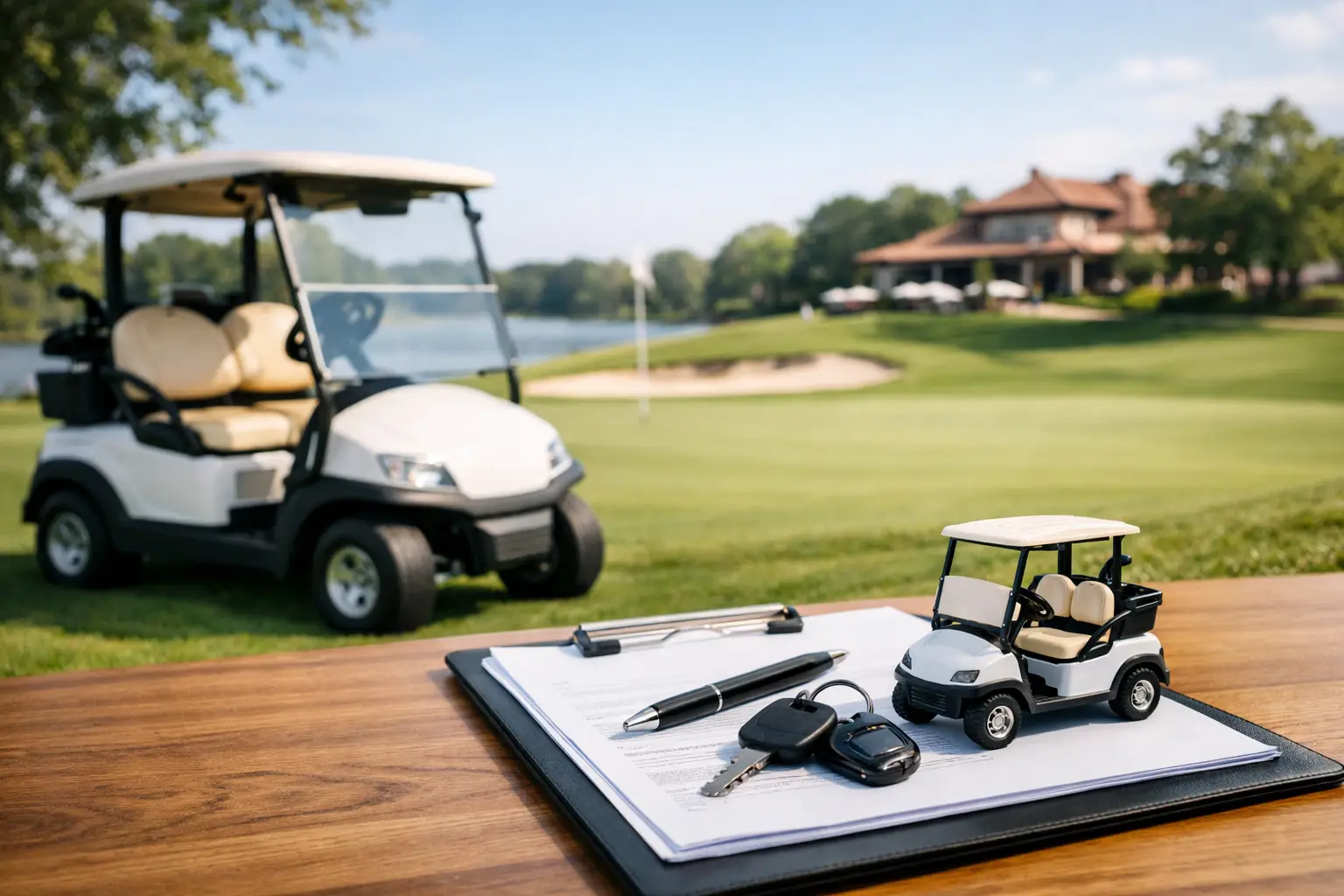
A premium golf cart can carry your family to the pool, dinner, the clubhouse, or a neighbor’s house in minutes. This golf cart insurance guide helps you protect that freedom before a collision, theft, storm, or injury turns an easy ride into an expensive surprise.
The right policy depends less on where you bought your cart and more on how you use it. A cart that stays on private property may need different coverage than a street-ready electric vehicle driven through a golf community or on approved public roads. Start with your real routine, not an assumption that one policy covers every scenario.
Do You Need Golf Cart Insurance?
Sometimes, golf cart insurance is optional. That does not mean it is a bad idea.
If your cart is used only on a private course or your own land, your homeowners policy may provide limited coverage in certain situations. But that coverage can come with restrictions, lower limits, exclusions for street use, or gaps for custom equipment. Many homeowners policies also do not cover liability once the cart is driven beyond the property or used in a way the insurer considers recreational vehicle use.
A dedicated policy is usually the smarter move when your cart is financed, driven in a neighborhood, stored where theft is a concern, customized with valuable accessories, or used to carry family and guests regularly. Lenders commonly require physical damage coverage until the loan is paid off. Even when they do not, replacing a newer, feature-rich cart out of pocket is a risk many owners would rather not take.
Street use changes the conversation quickly. States, counties, and planned communities have different rules for golf carts, low-speed vehicles, registration, licensing, and insurance. A cart can be allowed on one local road and prohibited on the next. Before driving beyond private property, verify the rules where you live and ask your insurance agent whether your intended use is covered.
What a Golf Cart Insurance Policy Can Cover
A good policy is not just about fixing a damaged cart. It is about protecting your finances if someone is hurt or property is damaged. Coverage options vary by carrier and state, but these are the protections most owners should understand.
Liability coverage
Liability coverage pays for injuries or property damage you cause to others in a covered accident, up to your policy limits. If you turn too sharply and strike a parked vehicle, or a passenger falls and is injured during a ride, liability can be the coverage that matters most.
Do not choose the lowest limit automatically. Golf carts are lighter and slower than cars, but medical bills and repair costs are not. Higher limits often add modestly to the premium and can provide far better protection for a household with meaningful assets.
Collision and comprehensive coverage
Collision coverage can help repair or replace your cart after an accident with another vehicle, object, or rollover, subject to the deductible. Comprehensive coverage generally addresses non-collision losses such as theft, fire, vandalism, falling objects, and certain weather damage.
For owners in Texas, Florida, and other storm-prone regions, comprehensive coverage deserves a close look. Hail, wind, flood-related damage, and falling branches can create a costly repair bill even when the cart never leaves the driveway. Ask exactly how the policy handles weather losses and whether flood damage is included or excluded.
Uninsured or underinsured motorist coverage
If a driver with little or no insurance hits your cart, uninsured or underinsured motorist coverage may help with covered injuries and, in some policies, damage. Availability and rules vary. It is especially worth discussing if you share roads with cars, trucks, and other neighborhood vehicles.
Medical payments and passenger protection
Medical payments coverage may help with eligible medical expenses for you and your passengers after a covered accident, regardless of fault. It is not a replacement for health insurance, but it can be a helpful layer when friends, grandchildren, or visiting family ride with you.
Accessories, custom parts, and roadside help
Lift kits, premium wheels, upgraded seating, audio systems, backup cameras, enclosure kits, and custom paint can add serious value to a cart. Standard policies may cap coverage for accessories unless you declare them or purchase added protection. Keep receipts, take current photos, and make sure the insured value reflects the vehicle you actually own.
Roadside assistance can also be worthwhile for carts used farther from home. A dead battery, flat tire, or mechanical issue may be easy to solve in your garage but far less convenient several miles away.
How Street-Legal Features Affect Coverage
A golf cart and a street-legal low-speed vehicle are not always treated the same way. Many personal-use electric vehicles are equipped with features such as headlights, turn signals, mirrors, seat belts, a windshield, a horn, and a vehicle identification number. Those features can support legal road use where local and state rules permit it, but they do not automatically make the vehicle legal everywhere.
Your insurer will want accurate details: the make, model, vehicle identification number, top speed, location where it is garaged, and whether it is used on public roads. Be straightforward. Calling a street-driven cart a private-property cart to reduce the premium can lead to a denied claim when you need coverage most.
The same principle applies after upgrades. If higher-speed performance, a lift kit, or added seating changes how and where you use the vehicle, update the policy. Insurance works best when it keeps pace with ownership.
How Much Does Golf Cart Insurance Cost?
There is no single price because insurers weigh location, driving history, coverage limits, deductibles, vehicle value, storage, street use, and claims history differently. A basic policy for a private-property cart may be relatively affordable, while broader coverage for a newer street-ready vehicle with comprehensive, collision, and higher liability limits will cost more.
The goal is not simply to find the cheapest quote. Compare what each quote actually protects. A low premium can look attractive until you notice that it excludes accessories, limits road use, has a high deductible, or provides liability limits that would disappear after one serious claim.
You can often control cost by choosing a deductible you could comfortably pay, storing the cart securely, maintaining a clean driving record, and bundling with an existing insurer when the terms are competitive. Still, do not let a discount outweigh a coverage gap. The best value is a policy that matches your cart, your routes, and your risk.
A Simple Golf Cart Insurance Guide for Shopping Policies
Before requesting quotes, gather your cart’s year, make, model, vehicle identification number, purchase price, financing details, photos, and a list of accessories. Then explain exactly where you drive: private property, golf course paths, community streets, approved public roads, or some combination.
Ask each insurer whether the policy covers your intended street use, passengers, theft, weather, custom equipment, towing, and off-property storage. Confirm whether the policy pays actual cash value or replacement cost after a total loss. Actual cash value accounts for depreciation, while replacement cost can provide stronger protection when available.
Also ask about exclusions. Some policies limit coverage while the cart is rented out, used for business, driven by an unlicensed operator, or operated outside approved areas. If teenagers or guests may drive, ask how permissive use works and what age or licensing requirements apply.
Finally, review the liability limits and deductible side by side. A slightly higher premium for stronger limits may be a smart trade when your cart is part of daily neighborhood life.
Protect the Cart Before a Claim Happens
Insurance is one layer of ownership, not the entire plan. Store your cart in a locked garage or secured area when possible, remove keys, and use a quality steering-wheel lock or other theft deterrent. Keep the battery maintained according to manufacturer guidance, inspect tires and brakes regularly, and make sure lights, mirrors, and seat belts are working before road use.
For family rides, set clear expectations. Every passenger should use available seat belts, riders should stay seated, and drivers should avoid phones, alcohol, and overloaded seating. A premium cart is built for fun, but safe habits keep the fun from becoming a claim.
When you are choosing a new personal-use electric vehicle, consider insurance before delivery day. EV Superstore can help you identify the vehicle details you will need for a quote, while your insurance professional can confirm the coverage required for your location and driving plans. Get the policy sorted early, then spend your time enjoying the ride with confidence.