
Golf Cart Insurance Requirements: What You Need
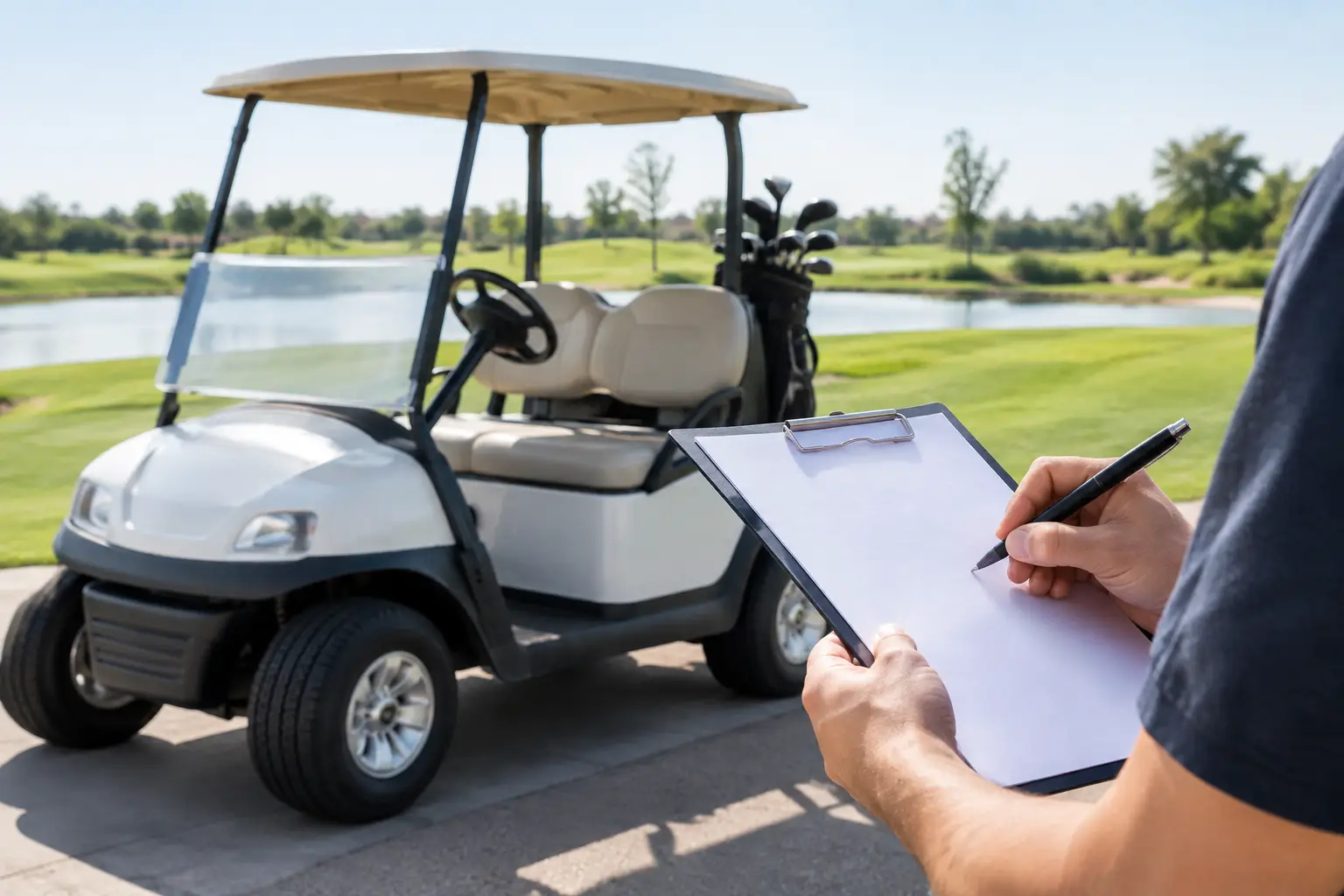
A premium electric cart can turn a quick trip to the pool, clubhouse, mailbox, or neighbor’s house into the best part of the day. But before the first neighborhood cruise, get clear on golf cart insurance requirements. Whether coverage is legally required depends on where and how you drive, what kind of vehicle you own, and the rules in your state and community.
The short answer: a cart used only on private property may not be required by state law to carry insurance, while a street-legal low-speed vehicle driven on public roads commonly needs liability coverage and registration. The better answer is to protect the cart and the lifestyle it supports, even when a policy is not technically mandatory.
When Is Golf Cart Insurance Required?
Insurance rules are not one-size-fits-all. A traditional golf cart, a modified cart, and a street-legal low-speed vehicle can be treated very differently by a state department of motor vehicles, a local government, an insurer, or a gated community.
If your cart stays on your own property, a golf course, or another private area with permission, your state may not require a separate insurance policy. That does not mean you are automatically covered if an accident happens. A homeowners policy may offer limited protection in certain situations, but it often excludes road use, has strict definitions for golf carts, or provides less coverage than owners expect.
Once you use a cart on public streets, the rules can change fast. Many states require liability insurance for vehicles that must be registered and titled. A cart that meets federal and state low-speed vehicle standards, often called an LSV or NEV, is more likely to fall into that category. Local ordinances may also decide which streets you can use, what safety equipment is required, and whether a licensed driver must be behind the wheel.
Golf Cart vs. Low-Speed Vehicle
This distinction matters because it can affect registration, insurance, and where you are allowed to drive.
A standard golf cart is generally designed for golf courses and private-property use. It may be permitted on select local roads if the city or county has adopted an ordinance allowing it. In some communities, that permission comes with conditions such as a daytime-only restriction or a specific speed limit on eligible streets.
A low-speed vehicle is built and equipped for road use within a limited speed range. It typically has federally required features such as headlights, taillights, turn signals, mirrors, a windshield, seat belts, a vehicle identification number, and other safety equipment. LSVs may be registered for use on roads with posted speed limits allowed by state law, often 35 mph or below, but exact rules vary.
Do not assume that adding a lift kit, a rear seat, lights, or speakers turns a golf cart into a street-legal vehicle. Road legality depends on the vehicle’s classification, equipment, documentation, and your local rules. Before buying or upgrading, confirm the rules that apply at your home address and the places you plan to drive.
The Coverage Most Owners Should Consider
Even where insurance is optional, the cost of an accident can be anything but optional. Golf carts share space with pedestrians, children, bicycles, parked cars, and full-size vehicles. A separate policy built for a golf cart or LSV can provide clearer protection than hoping another policy applies.
Liability coverage is the foundation. It can help pay for injuries or property damage you cause to someone else in a covered accident. This is the coverage most likely to be required for registered, road-used vehicles. If you regularly carry grandchildren, guests, or neighbors, consider limits that reflect more than the state minimum. Minimum limits may satisfy the law, but they are not always enough for a serious injury claim.
Collision coverage can help repair or replace your cart after a crash with another vehicle or object, subject to your deductible. Comprehensive coverage generally addresses non-collision losses such as theft, fire, vandalism, falling objects, or weather damage. For a feature-rich electric cart with upgraded wheels, premium seating, cameras, sound systems, and custom colors, those protections deserve a close look.
Medical payments coverage may help with medical expenses for you and your passengers after a covered accident, regardless of fault. Uninsured or underinsured motorist coverage can also be valuable in communities where other cart owners may be uninsured or where a collision with a road vehicle is possible.
Ask about coverage for accessories and modifications. A basic policy may value the cart differently than you do, especially after you add custom wheels, enclosures, lithium batteries, rear-facing seats, or audio upgrades. Be specific with your insurer about the model, vehicle identification number, street-legal equipment, and installed accessories. Keeping purchase documents and clear photos can make a future claim far easier.
Will Homeowners Insurance Cover Your Cart?
Sometimes, but relying on homeowners insurance alone can create an expensive surprise.
Some homeowners policies provide limited coverage for a golf cart used at your residence or on a golf course. Others may extend liability protection in limited circumstances. But coverage may stop when the cart leaves your property, enters a public road, is used for business, exceeds a certain speed, or is classified as an LSV rather than a traditional golf cart.
There is also a practical difference between having a possible coverage argument and having a policy designed for the vehicle. A dedicated golf cart or LSV policy can address road use, physical damage, accessories, and passenger liability more directly. It may also prevent a cart claim from affecting your homeowners policy in the same way, depending on your insurer and policy structure.
Call your insurance agent before assuming you are covered. Ask them to explain, in writing if possible, where you can drive, who is covered, whether custom equipment is insured, and what exclusions apply. If you live in a master-planned community, ask the HOA or property manager for its cart rules as well. Community rules can be stricter than state law.
What You May Need for Registration and Road Use
For a street-legal LSV, registration requirements often resemble those for other motor vehicles. Your state may require proof of insurance, a title or manufacturer’s certificate of origin, a vehicle identification number, a completed application, and payment of applicable taxes and fees. A driver’s license may also be required to operate the vehicle on public roads.
Depending on the state and vehicle classification, you may need a license plate and may be required to maintain specific safety equipment. Requirements can include seat belts, mirrors, reflectors, a windshield, turn signals, brake lights, headlights, and a horn. Some states require a windshield wiper if a windshield is installed.
Texas, Florida, California, and other popular cart markets each have their own rules, and local authorities can add another layer. That is why the right question is not simply, “Is my cart street legal?” It is, “Is this exact cart legal and insured for the streets I will actually use?”
A Smart Checklist Before You Buy or Insure
Start by identifying your intended use. Will the cart stay in a private neighborhood? Cross public streets? Travel to restaurants, a marina, school pickup, or a nearby store? Your answer affects the vehicle type, insurance policy, and equipment you need.
Then confirm your state DMV rules and local ordinance. Check whether your community has rules on driver age, guest drivers, nighttime operation, parking, speed, or required safety gear. If you are buying for a vacation home, verify the rules in that state too. Coverage and registration should follow where the vehicle is principally kept and used.
Next, request insurance quotes before delivery. Compare liability limits, deductibles, comprehensive and collision coverage, accessory limits, roadside assistance, and any restrictions on road use. A lower premium is not always the better value if it excludes the equipment and driving you purchased the cart to enjoy.
Finally, make safety part of ownership. Use seat belts when equipped, keep children properly seated, avoid overloaded carts, drive at a speed appropriate for the area, and secure the vehicle when parked. Insurance is there for the unexpected, but safe habits protect your passengers, your neighbors, and your investment every time you head out.
Get the Right Cart and the Right Protection
The best cart setup is one that fits both your lifestyle and your local rules. If you want neighborhood convenience with road-ready capability, choose a properly equipped vehicle and verify its classification before making plans around street use. If your cart will stay on private property, a standard personal-use model may be a great fit, but coverage still deserves attention.
At EV Superstore, our team can help buyers understand the practical differences between personal-use carts and road-oriented models so they can shop with confidence. Bring your intended route, community rules, and must-have features to the conversation, then speak with a licensed insurance professional about the policy that fits your situation. That little bit of preparation keeps the focus where it belongs: enjoying every easy, electric ride.