
Golf Cart Technology That Makes Every Ride Better
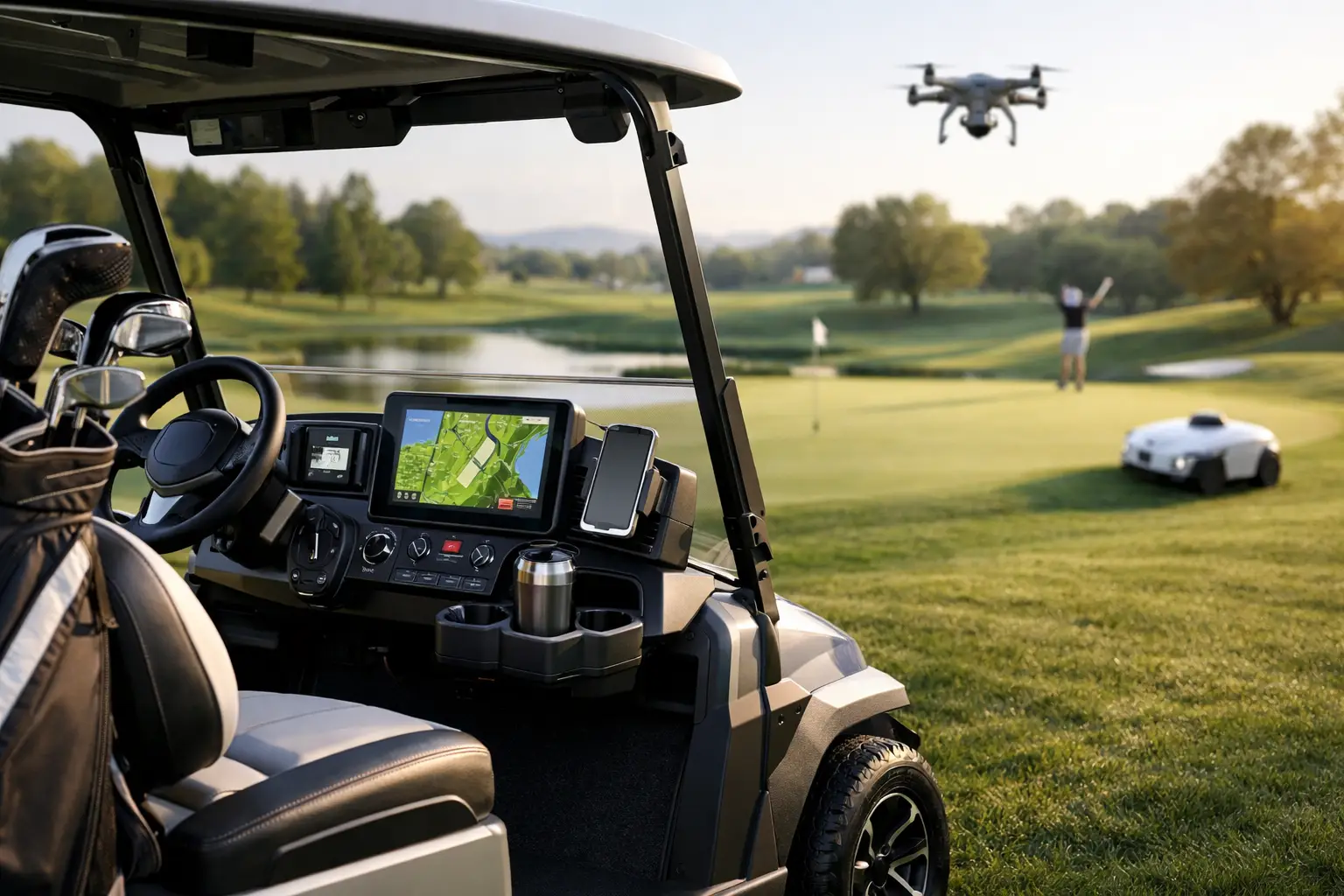
A modern personal-use EV is not just a golf cart with a fresh body color and bigger wheels. The best golf cart technology changes how confidently you leave the driveway, carry passengers, park after dark, and use your vehicle every day. From lithium batteries and onboard chargers to backup cameras and touchscreen displays, the right features make neighborhood cruising feel less like a compromise and more like a real upgrade.
For homeowners, golf community residents, and families who want a fun way to get around locally, technology is worth understanding before you buy. Some features improve comfort. Others improve safety, range, and long-term ownership costs. Knowing the difference helps you choose a cart that fits your life instead of paying for bells and whistles you will never use.
Golf Cart Technology Starts With the Battery
The battery is still the heart of an electric golf cart. It determines how far you can drive, how much maintenance you will handle, how consistently the cart performs, and how convenient charging feels at home.
Traditional lead-acid batteries remain a lower-cost option, and they can serve occasional users well. They are proven, widely understood, and often less expensive upfront. The trade-off is maintenance. Depending on the battery type, owners may need to monitor water levels, keep terminals clean, and follow charging habits closely. Lead-acid packs also weigh more, tend to lose performance as their charge drops, and usually have a shorter service life than lithium options.
Lithium battery technology has become the preferred choice for many personal-use buyers. A lithium-equipped cart is typically lighter, charges faster, delivers steadier power, and requires far less routine maintenance. That matters when the cart is carrying four or six passengers, climbing neighborhood grades, or making repeated trips around a large community. Lithium batteries cost more at the start, but the convenience and potential lifespan can make the investment worthwhile for frequent riders.
Range is not one fixed number. Passenger weight, terrain, tire choice, speed, accessories, temperature, and battery condition all affect how far a cart can travel. Rather than shopping by a claimed mileage figure alone, think about your actual routine. A cart used for short trips to the pool and mailbox has different needs than one used for resort property, acreage, or daily neighborhood transportation.
Smart Charging Makes Ownership Easier
An onboard charger is one of the most practical features on a modern electric cart. It lets you plug the vehicle into a compatible household outlet without moving a separate charger around. For many owners, the best routine is simple: park the cart, plug it in after use, and let the battery management system handle the rest.
Lithium systems often include a battery management system, or BMS, that monitors voltage, temperature, and charging behavior. This protection helps prevent conditions that can shorten battery life. It does not mean you can ignore basic care, but it gives owners a much larger margin of confidence than older battery setups.
Before delivery, confirm what outlet and charging setup your home needs. Most buyers can charge conveniently at home, but a dealership should walk you through the specific requirements for the vehicle you choose. That small conversation prevents a frustrating first night with your new cart.
Safety Features Are No Longer Optional Extras
A personal-use cart may share space with pedestrians, cyclists, parked cars, children, and pets. That makes modern safety equipment more than a nice add-on.
LED headlights, taillights, turn signals, brake lights, side mirrors, and a horn help make a cart visible and predictable around the neighborhood. Bright LED lighting is especially useful for early morning tee times, sunset rides, and evening events when older carts can feel under-equipped.
A backup camera is another feature that quickly earns its place. Carts have a smaller footprint than cars, but their rear visibility can still be limited by passengers, cargo, and rear-facing seats. A clear camera view helps when backing out of a garage, navigating a busy driveway, or parking near landscaping.
Seat belts, grab handles, and properly designed seating matter just as much. A lifted cart with aggressive tires may look great, but it should still have stable handling and quality components that support the way you plan to drive. If kids or grandkids will ride often, prioritize secure seating and easy entry over appearance alone.
Local rules also matter. A cart that is permitted inside a private community may not be legal on every public road. Street-use requirements vary by city and state, and speed capability is only one part of the picture. Ask about lighting, reflectors, windshield options, mirrors, vehicle classification, registration, and local road access before assuming a cart can go everywhere you want it to go.
Comfort Technology Turns Short Trips Into Real Rides
The feature that gets the most attention is often the touchscreen display, but the value is in how the pieces work together. Digital gauges can show speed, battery state of charge, drive mode, and warning information at a glance. That gives the driver more useful feedback than a basic battery meter.
Bluetooth speakers and integrated audio systems bring a little more energy to a ride through the neighborhood or around a resort property. USB charging ports keep phones powered for navigation, music, or photos. Some carts also offer phone connectivity, allowing drivers to use their devices more conveniently while parked or riding with passengers.
Comfort is not all electronics. Premium seats, upgraded suspension, independent front suspension, and quality tires shape how the vehicle feels over pavement, speed bumps, and uneven paths. A feature-loaded cart with a harsh ride can become less enjoyable than a simpler model with better suspension. Take a test drive with the number of people you expect to carry most often, not just by yourself.
Speed, Torque, and Drive Modes
Many newer electric carts offer higher speed capability than the older fleet carts people remember. That can be a major advantage for larger communities and longer routes, but more speed is not automatically better. The right speed depends on where you drive, local regulations, and your comfort level.
Torque is equally important. It is what helps a cart move smoothly from a stop, carry passengers, and handle inclines. Lithium power and modern controllers can provide responsive acceleration, but a smooth calibration matters. You want confident performance without a jumpy throttle that surprises new drivers.
If a vehicle offers multiple drive modes, use them with purpose. A lower-speed mode can be ideal for younger drivers where permitted, crowded paths, or learning the controls. A standard mode may be the best everyday setting. Higher-performance settings are best reserved for appropriate areas where they are legal and safe.
Connected Features Should Solve a Real Problem
As golf cart technology advances, buyers will see more apps, GPS capability, digital diagnostics, and security features. These can be valuable, but not every connected feature is equally useful for every owner.
GPS can help with fleet management, large properties, and certain community or resort applications. Digital diagnostics can make service easier by helping technicians identify electrical or battery-related issues. Security features such as keyless start, programmable keys, and tracking options may offer peace of mind for carts stored in shared garages or seasonal homes.
The best question is not, “What is the most advanced cart?” It is, “What technology will make this vehicle easier and more enjoyable for us to own?” For one buyer, that means lithium power and an onboard charger. For another, it is a backup camera, rear seat kit, and premium sound system. Technology should support your lifestyle, not complicate it.
Service Support Matters as Much as the Feature List
A feature-packed cart still needs knowledgeable service behind it. Batteries, controllers, chargers, displays, and cameras are reliable when they are properly installed and supported, but every vehicle benefits from routine inspections and a clear warranty process.
Before purchasing, ask who will service the cart, what warranty coverage applies, and how replacement parts are handled. If you are buying from another state, ask how delivery, remote support, and local service coordination work. Transparent answers are a strong sign that a dealer is focused on ownership after the sale, not just getting a vehicle out the door.
At EV Superstore, buyers can compare feature-rich models across several leading brands, get clear guidance on financing and warranty options, and choose a cart built for the way they actually ride. Whether you need a sleek neighborhood cruiser, a family-friendly six-seater, or a premium vehicle for a vacation property, a test drive is the fastest way to feel the difference that the right technology makes.
The best cart is the one you want to use every day. Choose practical power, safety features you will rely on, and comfort that invites one more ride around the neighborhood before heading home.