
Golf Cart Warranty Coverage Explained
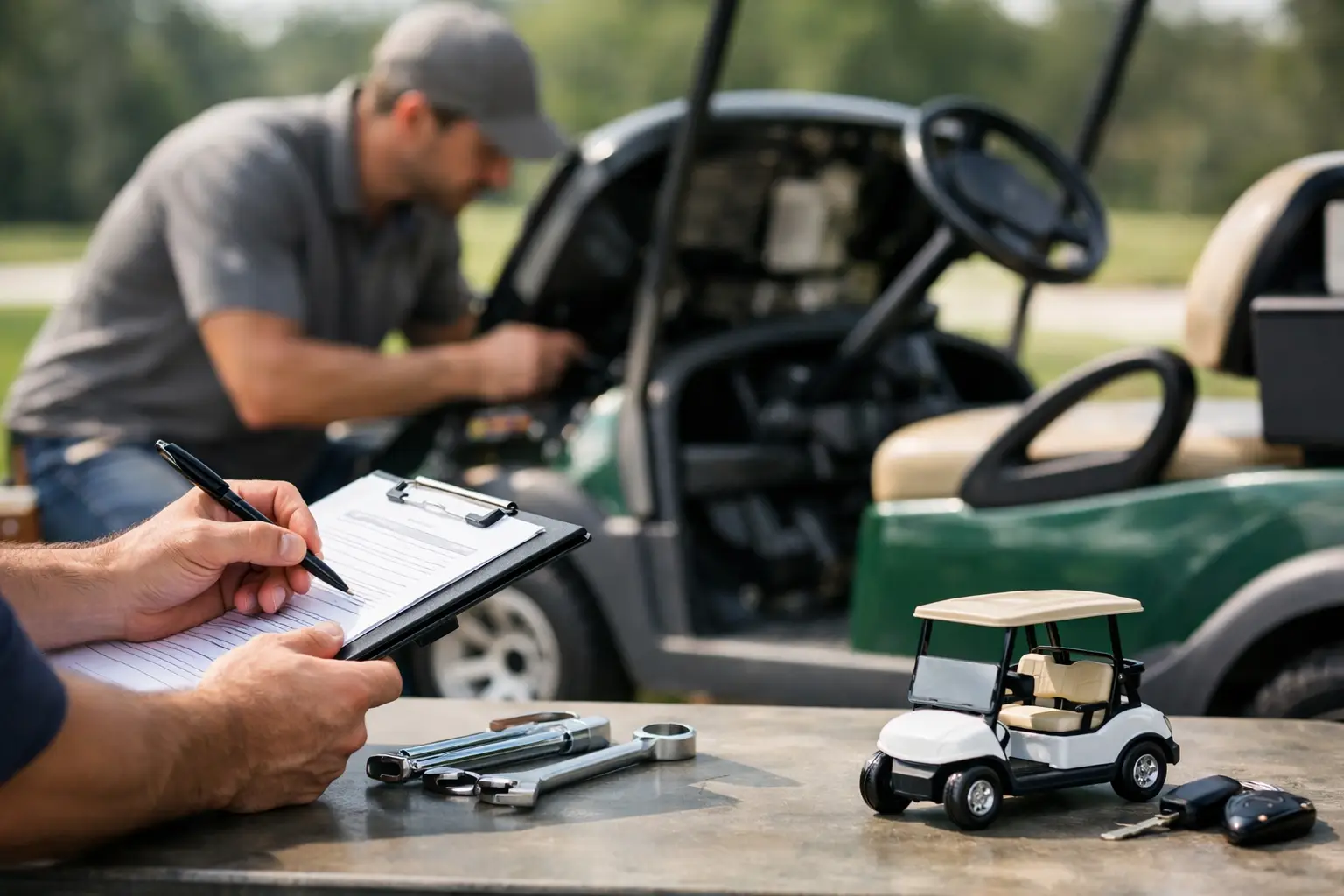
A golf cart can look fully loaded on the showroom floor - premium seats, upgraded wheels, backup camera, Bluetooth soundbar, the works. But the real ownership question shows up later: if something goes wrong, who pays for it? That is why golf cart warranty coverage matters so much, especially when you are buying a cart for daily neighborhood use, family cruising, or community transportation.
A warranty is not just a line item. It is part of the value of the cart itself. If you are comparing brands, models, and dealers, the warranty can tell you a lot about build quality, manufacturer confidence, and what kind of support you can expect after delivery.
What golf cart warranty coverage usually includes
Most new-cart warranties are designed to protect you from defects in materials or workmanship. In plain English, that means the manufacturer or dealer may repair or replace covered parts if they fail under normal use during the warranty period.
That usually starts with major components. Depending on the brand, golf cart warranty coverage may include the frame, motor, controller, charger, onboard electrical systems, suspension components, and sometimes the battery system. On some electric models, the battery warranty is separate from the cart warranty, and that distinction matters more than many buyers realize.
The battery pack is one of the most expensive parts on an electric cart. If a seller says the cart has a warranty, ask whether that means the full vehicle, the lithium battery, or both. A cart might have one length of coverage on the vehicle and a different term for the battery, charger, or electronics.
Cosmetic items can be a gray area. Seats, trim pieces, body panels, windshields, and accessories may be covered for manufacturing defects, but not for normal wear, fading, cracking from impact, or damage caused by storage conditions. If your cart is loaded with add-ons, it is smart to verify whether those upgrades fall under the original manufacturer warranty, a dealer-backed warranty, or a separate accessory policy.
What warranty coverage usually does not include
This is where buyers can get tripped up. A warranty is not the same as maintenance, and it is not the same as insurance.
Normal wear items are often excluded. That can include tires, brake pads, upholstery wear, scratches, alignment issues caused by hitting curbs, and damage from neglect. If a cart starts making noise because it has gone without routine service, that is generally not a warranty claim.
Accidental damage is usually excluded too. If the cart is flooded, tipped, overloaded, modified incorrectly, or damaged in transport by someone other than an approved carrier, warranty coverage may not apply. The same goes for misuse. A neighborhood cart driven like an off-road vehicle can run into problems fast, and warranty departments pay attention to that.
Another common exclusion is unauthorized modification. Lift kits, custom controllers, speed upgrades, lighting changes, audio systems, or aftermarket wheels can affect coverage if they contribute to the failure. That does not always mean your entire warranty disappears, but it can mean specific claims get denied because the modification changed how the vehicle operates.
Why battery coverage deserves special attention
For electric-cart buyers, the battery is the headline item. It affects range, performance, charging behavior, and long-term ownership cost. So when you look at golf cart warranty coverage, do not skim past the battery section.
Lithium batteries often carry their own warranty terms. Those terms may cover manufacturing defects, major capacity loss, or complete battery failure, but they may also require proper charging habits, approved chargers, and storage within recommended temperature ranges. If a battery is repeatedly run down, left discharged for long stretches, or charged with the wrong equipment, coverage may be limited.
It also helps to ask how battery claims are handled. Will the battery be repaired, reconditioned, or replaced? Is labor included? Does the replacement reset the warranty term or continue the original timeline? These details can make a big difference if you plan to keep your cart for years.
Dealer support matters as much as the paper warranty
Two warranties can look similar on paper and feel completely different in real life. The difference is often dealer support.
A strong dealer helps you understand what is covered before you buy, documents the sale clearly, and gives you a simple path for service after delivery. That is especially important for buyers ordering remotely or shipping a cart out of state. If you have a warranty concern, you want clear communication, fast parts access, and a service team that knows the product.
This is one reason buyers tend to prefer established dealerships over unknown online sellers with vague warranty language. A low price does not feel like a deal if you spend weeks chasing answers when your charger, controller, or display starts acting up.
At EV Superstore, that dealer-backed ownership experience is a big part of the appeal. Buyers are not just shopping for a cart. They are shopping for support, service options, and a smoother path if something needs attention later.
Questions to ask before you buy
The fastest way to understand a warranty is to ask direct, practical questions. How long is the vehicle warranty? How long is the battery warranty? Are labor costs included? Who performs covered repairs? What happens if you live outside the local service area? Is mobile service available, or do approved service partners handle remote claims?
Also ask whether the warranty transfers to a new owner. For some buyers, that may not matter today, but transferable coverage can help resale value later.
One more smart question is how claims are approved. Some warranties require inspection and pre-authorization before work begins. Others are more dealer-managed. Neither setup is automatically better, but you want to know the process before you need it.
How to protect your warranty after delivery
The easiest warranty claim is the one you never need, and the easiest approved claim is the one supported by good ownership habits.
Start with the basics. Follow the charging instructions. Use the correct charger. Keep service records. Do not ignore warning lights, changes in performance, or unusual sounds. Small electrical or suspension issues are easier to fix early, and delayed damage can create disputes over what caused the problem.
Store the cart properly too. If your cart sits for part of the year, battery care becomes even more important. Extreme heat, standing water, and long periods without charging can shorten component life and create problems that a warranty may not cover.
If you want to customize the cart, ask first. Many buyers want upgraded wheels, sound systems, enclosures, rear seats, or performance accessories. Those upgrades can be great, but it is worth confirming which options are factory-approved and which ones could affect coverage on surrounding components.
New versus used carts and warranty expectations
Buyers often assume all warranties work the same way. They do not.
A new cart typically gives you the strongest protection, especially when it comes to the battery and electrical system. A used cart may still offer coverage, but it is often shorter, more limited, or dealer-specific. Certified or reconditioned carts can be a strong value if the coverage is clearly explained, but you should not expect the same protection you would get with a brand-new model.
This is where transparency matters. If the seller cannot clearly explain what is covered, for how long, and who handles service, that is a red flag. Premium carts deserve premium clarity.
The best way to compare golf cart warranty coverage
Do not compare warranties by years alone. A longer term sounds great, but the better question is what that term actually protects.
A shorter warranty from a reputable brand and responsive dealer can be more valuable than a longer warranty loaded with exclusions, prorated terms, or hard-to-access service. Look at the covered components, battery terms, claim process, labor policy, and service network. Then consider how you will actually use the cart - daily commuting in a master-planned community, weekend cruising at the lake, or regular family hauling around the neighborhood.
The right coverage should match the way you drive. If your cart is going to be part of everyday life, you want protection that supports real ownership, not just fine print that looks good in a listing.
When you are shopping, ask the warranty questions early, not after you fall in love with the wheels, seats, or color. A great cart should be fun to own, easy to service, and backed by coverage that makes sense. That is what gives you confidence to enjoy the ride instead of worrying about the what-ifs.