
Guide to Lithium Golf Carts for Smart Buyers
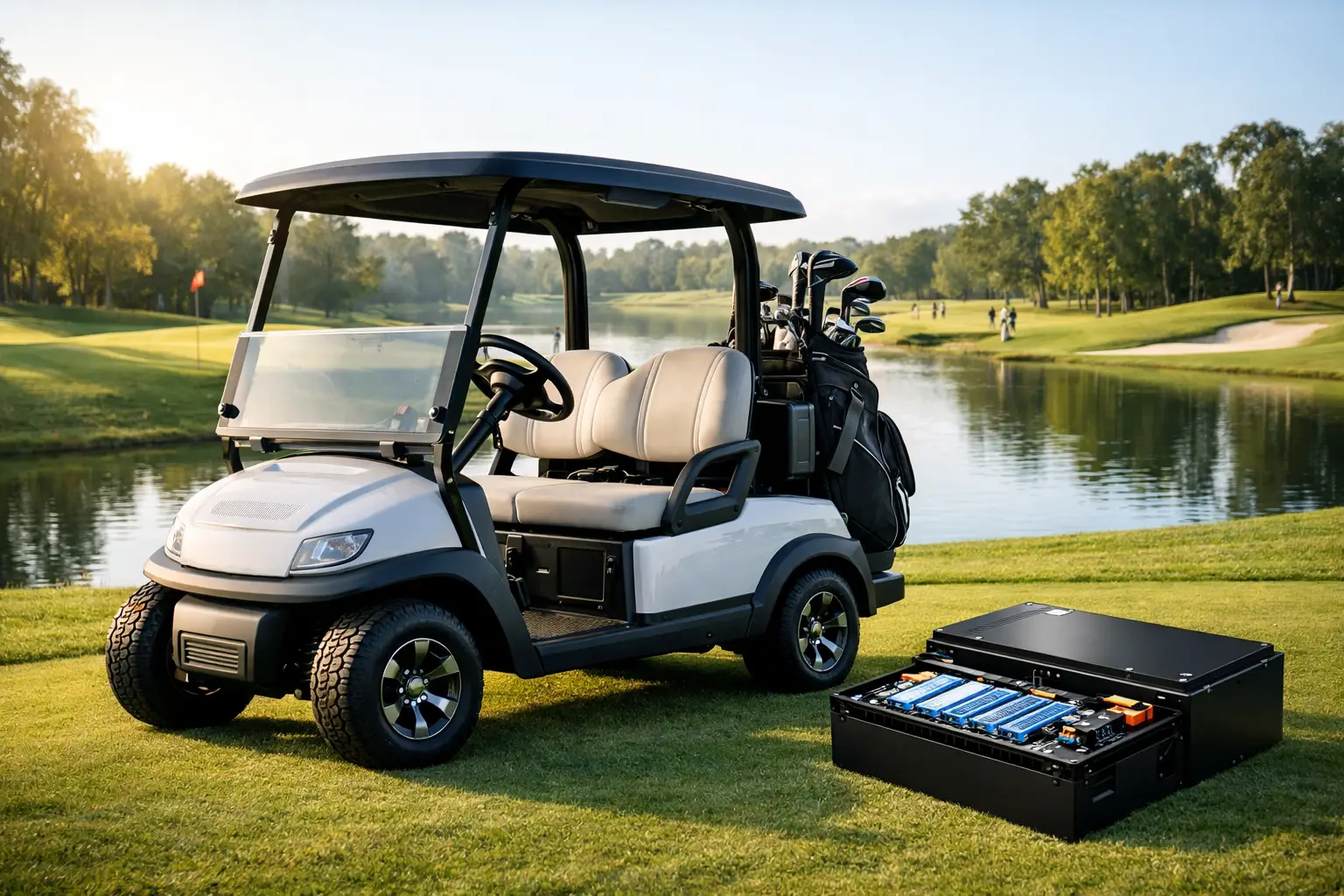
A golf cart that hesitates on hills, loses speed with passengers, or needs constant battery attention can turn an easy afternoon ride into a chore. Lithium-powered carts solve many of those frustrations, but the right choice still comes down to how and where you plan to drive. This guide to lithium golf carts helps you look past the buzzwords and choose a vehicle that fits your neighborhood, property, family, and weekend plans.
Why Lithium Golf Carts Are Changing the Ride
Lithium batteries have become the preferred power source in many modern personal-use golf carts because they deliver more consistent performance than traditional lead-acid batteries. A lithium cart typically feels quicker and more responsive from the first mile to the last. It also holds its voltage better under load, which matters when you are carrying four passengers, climbing a bridge, or bringing beach gear back from the clubhouse.
The ownership experience is a major reason buyers make the switch. Lead-acid batteries require regular watering, terminal cleaning, and careful charging habits. Lithium batteries are sealed and maintenance-free. There is no water to add, no acid to spill, and no corrosion cleanup built into your weekend routine.
Lithium packs are also substantially lighter. Less battery weight can improve acceleration, handling, and efficiency while reducing strain on the cart. That lighter setup is especially appealing for buyers who want a lifted cart with larger tires, premium seating, audio, and other upgrades without making it feel sluggish.
There is a trade-off: lithium carts often cost more upfront. But longer battery life, reduced maintenance, and dependable daily performance can make that investment worthwhile for owners who use their cart frequently. For an occasional course-only cart, the price difference may matter more. For neighborhood cruising, family transportation, or property use, lithium is often the better long-term fit.
Guide to Lithium Golf Carts: Start With Your Driving Needs
Before comparing colors, wheels, or speaker systems, be honest about how you will use the cart. The best cart for a gated community is not always the best choice for a ranch, resort property, or coastal neighborhood.
Start with passenger capacity. A two-seat model works well for couples running quick errands or heading to the clubhouse. Four-seat and six-seat carts make more sense for families, guests, and active communities where everybody wants a ride. Keep in mind that adding passengers changes the real-world load on the battery, motor, suspension, and brakes. A roomy rear-facing seat is great for social rides, but it should be paired with enough battery capacity and a well-built chassis.
Next, consider terrain. Flat, paved streets are forgiving and let most lithium carts perform well. Steep driveways, rolling neighborhoods, sand, rough paths, and oversized tires demand more. In those cases, look for strong motor output, a battery pack sized for your expected route, quality suspension, and tires designed for the surface you will actually drive on.
Finally, think about your daily distance. Many buyers overestimate how far they drive, while others buy too little range for a full day of community use. Map the typical round trip to the pool, mailbox, marina, grocery stop, or friends' homes. Then add a cushion for passengers, hills, accessory use, and days when you take the long way home.
Range Is More Than One Number
A listed range figure is useful, but it is not a promise that every owner will get the same result. Battery capacity, passenger weight, speed, terrain, tire size, outside temperature, and driving style all affect how far a lithium golf cart can travel on a charge.
For many personal-use owners, a cart that comfortably handles a day of neighborhood driving is more valuable than chasing the largest advertised number. Buying too little range creates charging anxiety. Buying far more capacity than you will ever use can add unnecessary cost. The sweet spot is a vehicle that covers your normal use with meaningful reserve still available.
Ask how the range was measured and what conditions the estimate assumes. A cart driven gently on level pavement with one adult will travel differently than a lifted six-passenger model carrying a family uphill. A knowledgeable dealer should help translate specifications into a realistic recommendation rather than simply pointing to the biggest battery.
Charging: Easy, But Worth Doing Right
One of lithium's best advantages is charging convenience. Most owners can plug in at home after a day of use and wake up ready to ride. Lithium batteries also generally recharge faster than lead-acid systems, depending on the battery and charger setup.
Use the charger designed for your cart and battery system. The battery management system, often called the BMS, monitors the pack and helps protect it during charging and operation. That protection is one reason quality lithium systems are so appealing, but it is not a reason to ignore basic care.
Give your cart a dry, ventilated place to charge, inspect the charging cord periodically, and use a properly grounded outlet. Avoid running the charger through questionable extension cords or overloading a shared circuit. If you store your cart for an extended period, follow the manufacturer’s storage guidance. Lithium batteries are more forgiving than lead-acid batteries, but smart storage habits still protect your investment.
The Features That Matter After You Buy
A lithium battery improves the foundation of the cart. The features around it determine how much you enjoy using it every day. Premium personal-use carts are no longer bare-bones course vehicles. They are practical neighborhood transportation with comfort, style, and safety built in.
For many buyers, a backup camera is not a luxury. It makes maneuvering in garages, driveways, crowded community areas, and around children or pets easier. LED lighting improves visibility for early morning and evening rides. Turn signals, mirrors, seat belts, a horn, and a windshield can be essential depending on where you drive and the equipment required in your community.
Comfort deserves equal attention. Supportive seats, a roomy driver area, quality suspension, and weather protection matter more than flashy accessories when you use the cart several times a week. Bluetooth audio, custom wheels, two-tone seating, and upgraded bodies add personality, but they should never come at the expense of a stable ride and reliable service support.
Speed, Street Use, and Local Rules
Some lithium golf carts are built for private property or golf community use, while others may qualify as low-speed vehicles when equipped and registered according to applicable rules. The difference matters.
Street-legal use is governed by state and local laws, not just the top speed printed in a brochure. Your city, county, homeowners association, or community may set its own rules on where carts can travel, required safety equipment, registration, insurance, driver licensing, and age limits. A cart that is legal on one neighborhood street may not be allowed on the next road over.
Check your local requirements before you buy, especially if your goal is regular transportation beyond private roads. A dealer can help you understand common equipment options, but local regulations are the final authority. That quick homework protects you from choosing a cart that does not match the roads you plan to use.
Compare the Whole Ownership Experience
The lowest advertised price is only part of the picture. When comparing lithium golf carts, ask what is included, what is covered, and who will support you after delivery. Battery warranty terms, vehicle warranty coverage, charger quality, parts availability, and access to trained service all deserve a clear answer.
Also compare the cart as equipped. A low starting price can look different once you add the seating, lighting, windshield, mirrors, upgraded tires, or delivery options you actually want. Transparent pricing makes it easier to compare vehicles fairly and avoid surprises.
For buyers who prefer to spread out the cost, financing can make a premium lithium cart more accessible. The right payment plan should support your budget without pushing you into a vehicle that is larger or more heavily equipped than your use requires. A good buying experience feels straightforward from the first test drive through service years later.
At EV Superstore, the goal is to make that decision easier with feature-rich inventory, flexible financing options, knowledgeable guidance, and support that does not disappear after the sale. If you are shopping remotely, ask for detailed photos, specifications, and a plain-English explanation of what comes with the exact cart you are considering.
A Better Way to Choose Your Cart
The best lithium golf cart is not necessarily the fastest, tallest, or most accessorized one on the lot. It is the one that starts every time, carries the people you care about comfortably, has enough range for your real routine, and gives you confidence when you turn onto your neighborhood street.
Schedule a test drive if you can. Sit in every seat, check the entry height, test the steering feel, look through the windshield, and picture the cart in your garage. Then choose the battery, seating, safety equipment, and features that will make you want to take the longer ride home.