
How Long Do Golf Cart Batteries Last?
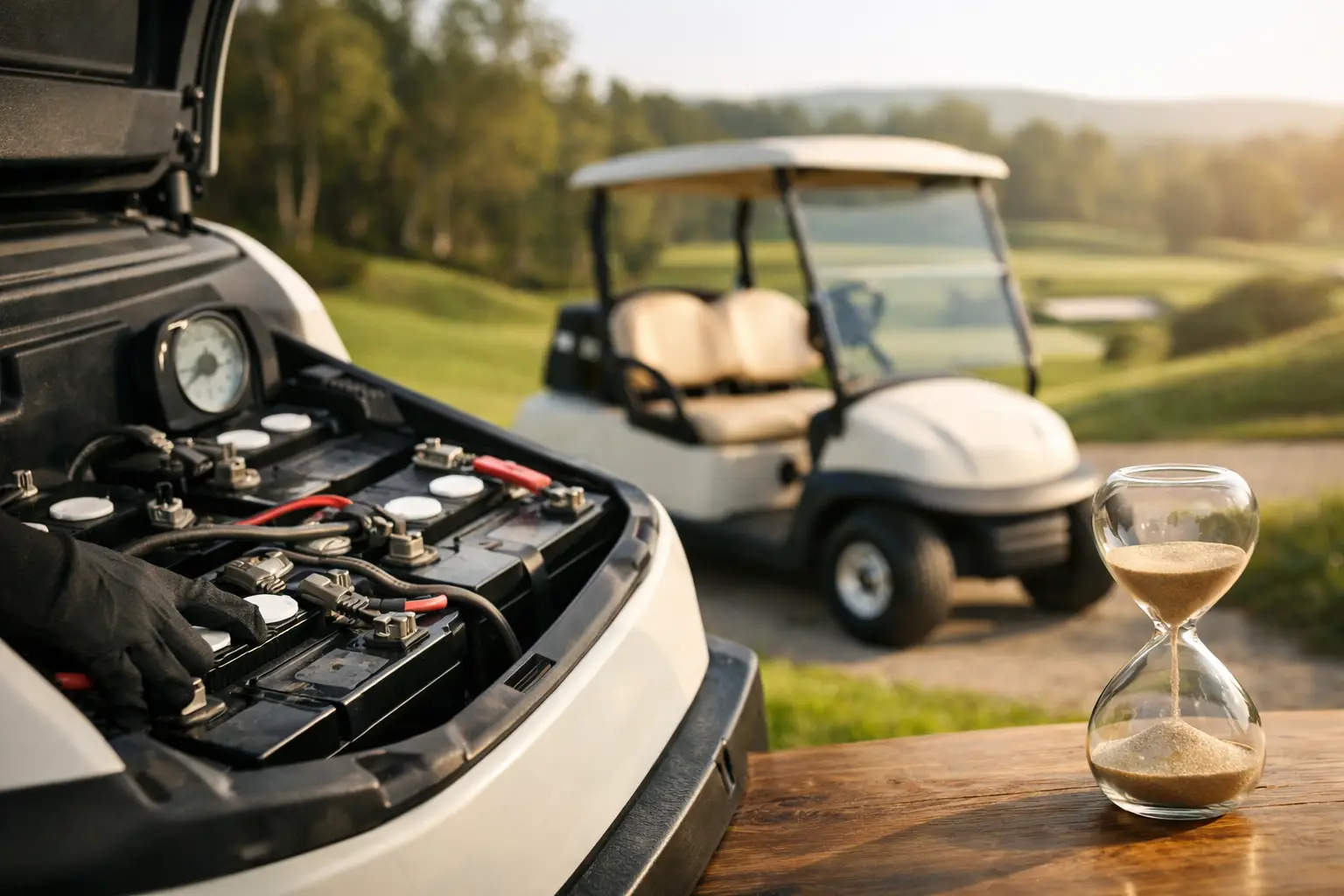
A golf cart that starts slowing down halfway through the neighborhood, struggles on small hills, or needs charging more often than it used to is usually telling you the same thing: the batteries are aging. If you're asking how long do golf cart batteries last, the honest answer is that it depends on the battery type, how often you drive, how well you maintain it, and even where you live.
For most owners, golf cart batteries last anywhere from 4 to 10 years. Traditional lead-acid batteries usually land on the shorter end of that range, while lithium batteries often last much longer. That gap matters if you use your cart for more than the occasional trip to the mailbox. If your cart is part of daily life in a neighborhood, on a large property, or around a golf community, battery life has a real impact on convenience, performance, and long-term ownership cost.
How long do golf cart batteries last by battery type?
The biggest factor is the chemistry inside the battery.
Lead-acid batteries, including flooded lead-acid models, typically last around 4 to 6 years with solid maintenance. Some owners get more, especially if the cart is stored properly, charged correctly, and not run hard every day. Others see less if the batteries are neglected or regularly discharged too deeply.
AGM batteries, which are a sealed type of lead-acid battery, can also fall in a similar general range, though performance varies by quality and use. They require less day-to-day maintenance, but they are still not immune to wear from heat, overcharging, or repeated deep discharges.
Lithium batteries are the long-haul option. In many personal-use golf carts, they can last 8 to 10 years or even longer. They also tend to deliver more consistent power throughout the charge cycle, which means your cart feels stronger for more of the ride instead of fading as the battery drains.
That is why battery type should be part of the buying decision, not just a spec sheet detail. A lower upfront cost can look appealing, but if you're replacing batteries much sooner, the long-term math may change.
What affects golf cart battery lifespan?
Two carts with the same battery pack can age very differently. One might still feel strong after years of use, while another is already losing range. The difference usually comes down to habits and conditions.
Charging is a major one. Batteries last longer when they are charged the right way and on a consistent schedule. Letting them sit discharged for long periods is rough on any battery, and overcharging can also create problems. With lead-acid systems, using the correct charger matters more than many owners realize.
Driving patterns also make a difference. Short, easy neighborhood runs are less demanding than frequent long rides, steep hills, stop-and-go driving, or carrying several passengers all the time. A lifted cart with larger tires and added accessories can put more strain on the battery pack too, especially if the setup was not planned around power demand.
Climate matters. Hot weather can shorten battery life, particularly in states where carts spend a lot of time in garages, driveways, or storage areas without climate control. Extreme heat tends to accelerate battery wear. Cold weather can temporarily reduce performance and range, though heat is often the bigger long-term problem.
Maintenance is the other big variable. Flooded lead-acid batteries need regular watering, clean terminals, and attention to corrosion. Skip those basics and battery life usually drops fast.
Signs your golf cart batteries are wearing out
Battery aging is rarely a surprise if you know what to watch for. Most carts give owners plenty of warning before a full failure.
The first sign is usually reduced range. If your cart used to handle a full evening of neighborhood driving and now needs charging after a much shorter trip, the battery pack is likely losing capacity.
You may also notice slower acceleration or weaker hill-climbing power. The cart still works, but it feels tired. Lights may dim more easily, and accessories can seem less stable when the batteries are low.
Longer charging times can be another clue. So can batteries that never seem to reach the same performance they used to, even after a full charge. In lead-acid packs, visible corrosion, swelling, leaking, or a strong sulfur smell are more serious signs that service is overdue.
If your cart is showing several of these symptoms at once, it is smart to have the batteries tested rather than guessing. Replacing one weak battery in an aging pack does not always fix the real issue, since golf cart battery systems work as a set.
How to make golf cart batteries last longer
If you want the best return on your battery investment, daily habits matter more than most people think.
Charge the cart after use instead of letting it sit drained. For lead-acid batteries especially, partial neglect adds up. Keeping the battery pack in a healthy state of charge helps preserve capacity over time.
Use the right charger and keep it in good condition. A mismatched or failing charger can quietly shorten battery life. If your charger is acting inconsistent, cycling strangely, or not fully charging the pack, it is worth checking before it causes bigger problems.
For flooded lead-acid batteries, check water levels regularly and top off with distilled water as needed. Do not overfill, and do not wait until plates are exposed. Clean terminals and cable connections too. Corrosion increases resistance and can hurt performance.
Storage matters. If the cart will sit for a while, store it according to the battery manufacturer's recommendations. Long periods of inactivity without proper charging are one of the fastest ways to age a battery pack before its time.
Finally, think about your cart setup. Added speakers, lights, cooling accessories, larger wheels, and heavier loads all draw more power. None of that means you should skip the upgrades. It just means your battery system should match how you actually use the cart.
Is lithium worth it if you want longer battery life?
For many personal-use buyers, yes. Lithium batteries usually cost more upfront, but they bring real advantages beyond just longer life.
They charge faster, weigh less, and require far less maintenance than flooded lead-acid batteries. They also tend to hold voltage better during use, so performance feels more consistent. If you use your cart often, live in a golf cart community, or simply want easier ownership, lithium can be a strong upgrade.
That said, not every buyer needs lithium. If your cart gets light weekend use and you are comfortable with regular battery care, lead-acid may still be a practical fit. The right answer depends on your budget, usage, and how much maintenance you want to deal with.
This is where expert guidance helps. A premium cart that is built for your lifestyle should not leave you guessing about battery expectations a year later.
When should you replace golf cart batteries?
Replace them when performance no longer matches how you use the cart, not just when the cart barely moves. If you are planning trips around battery anxiety, avoiding hills, or charging far more often than before, the ownership experience has already changed.
For lead-acid packs, replacing the full set is usually the smarter move once the batteries are near the end of life. Mixing old and new batteries often leads to uneven performance and shorter lifespan for the new battery. With lithium, replacement timelines are longer, but testing still matters if range drops unexpectedly.
If you are shopping for a newer cart, battery quality should be a front-and-center question. It affects range, upkeep, reliability, and how much hassle ownership will really involve. At EV Superstore, that is part of the conversation because the goal is not just to sell a cart - it is to help you drive home in something that fits your routine from day one.
The real answer to how long do golf cart batteries last
Most golf cart batteries last 4 to 10 years, with lead-acid usually on the lower end and lithium on the higher end. But the more useful answer is this: batteries last longer when the cart is matched to the way you live. If you buy the right setup, charge it properly, and stay ahead of maintenance, your cart stays fun, dependable, and ready when you are. That is the kind of ownership experience worth aiming for.