
How to Care for Golf Cart Batteries
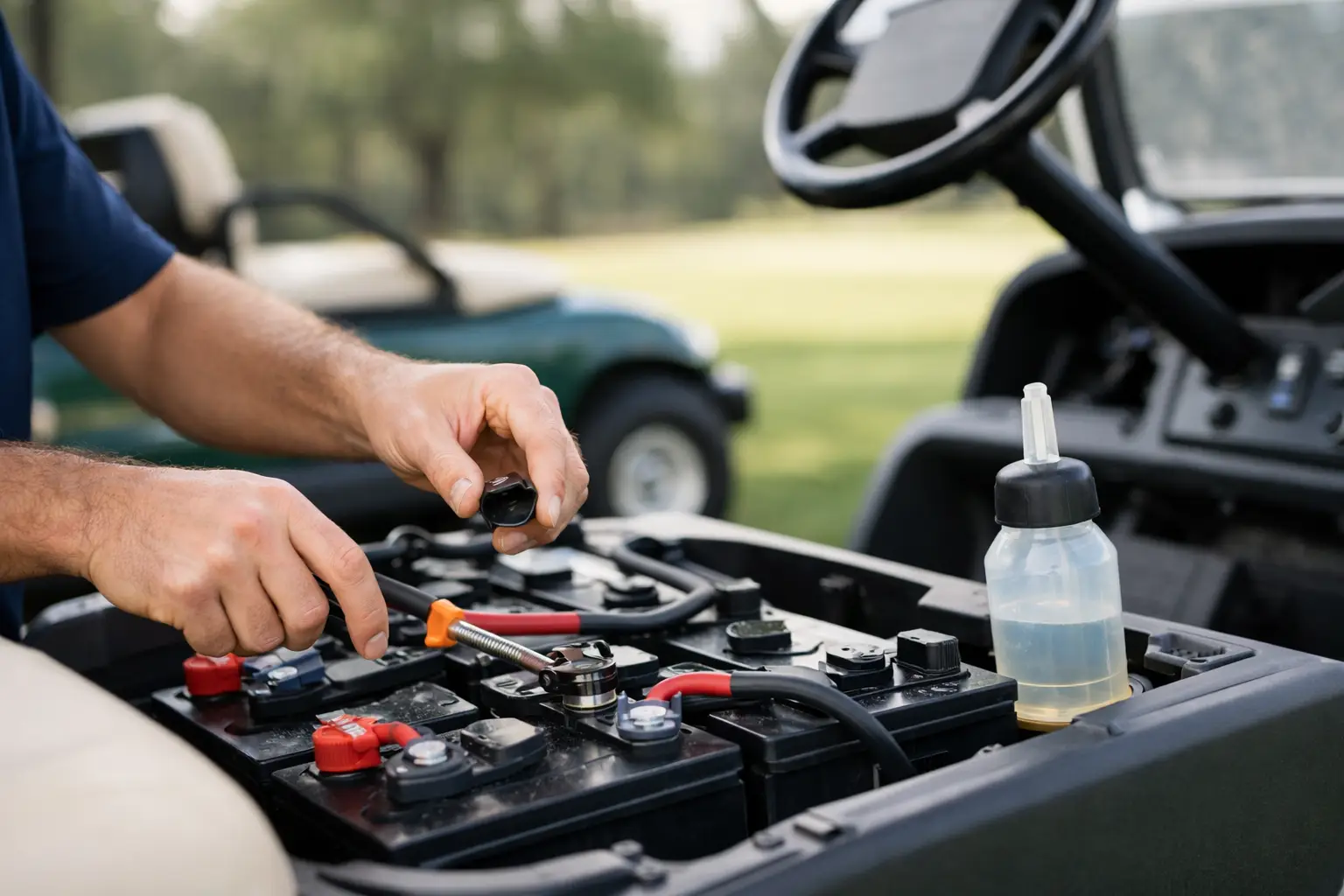
A golf cart that feels slow off the line, loses range halfway through the day, or quits after sitting for a week usually has the same problem - battery care got pushed to the back burner. If you own a personal-use cart for neighborhood cruising, errands, or weekend fun, learning how to care for golf cart batteries is one of the easiest ways to protect performance and avoid an expensive replacement sooner than necessary.
The good news is that battery care is not complicated. It just needs to be consistent. Whether your cart uses traditional lead-acid batteries or a newer lithium setup, a few smart habits make a major difference in range, charging reliability, and overall battery life.
Why battery care matters more than most owners expect
Your batteries are the heart of the cart. When they are healthy, the cart feels responsive, charges properly, and delivers the kind of smooth, dependable ride you bought it for. When they are neglected, everything starts to feel off. Acceleration gets weaker, runtime drops, and charging can become frustratingly inconsistent.
Battery replacement is one of the bigger ownership costs, so getting more life out of your current setup is worth the effort. Good care also helps you avoid those inconvenient moments when the cart is needed for a neighborhood trip, a campground ride, or a run to the clubhouse and simply is not ready.
How to care for golf cart batteries day to day
Daily care really comes down to charging the right way, keeping the batteries clean, and not letting the pack sit in a low state of charge for long periods. Most battery damage happens gradually, not all at once.
If you use your cart regularly, plug it in after use so the batteries can return to a full charge. That matters especially with lead-acid batteries, which do not like staying partially discharged. Leaving them low for days at a time encourages sulfation, which reduces capacity over time.
At the same time, more charging is not always better if the charger or battery type is mismatched. The charger should be compatible with your battery system and voltage. A proper charger helps the batteries reach full charge without unnecessary stress. If you recently upgraded your cart or switched battery types, double-check that the charging setup matches.
Cleanliness matters more than many owners realize. Battery tops should stay dry and free of dirt, corrosion, and residue. Grime can create small paths for electrical discharge, and corrosion at the terminals can interfere with performance. A quick visual check every couple of weeks can help you catch issues before they turn into range loss or charging trouble.
Charging habits that help batteries last longer
One of the best things you can do is charge the cart before the batteries are deeply drained. Running them all the way down on a regular basis shortens life, especially for lead-acid systems. It is better to recharge after normal use than to keep squeezing out one more trip.
Try to charge in a covered, well-ventilated space. Extreme heat is hard on batteries, and so is freezing weather. In warm states like Texas and Florida, heat is usually the bigger concern. A garage or shaded storage area is better than leaving the cart baking in the sun while charging.
It also helps to let the charge cycle finish. Interrupting the charger repeatedly can prevent the batteries from fully balancing and recovering. If your charger is automatic, let it do its job. If something seems off, such as unusually long charge times or a charger that never completes, it may be a sign the battery pack needs inspection.
Lead-acid batteries need a little more attention
Lead-acid batteries are common, dependable, and cost-effective, but they do ask for more hands-on maintenance. They should be charged fully after use, kept topped off with water when needed, and cleaned regularly.
The biggest mistake with lead-acid batteries is neglecting water levels. These batteries lose water during normal charging, and if the plates are exposed, battery damage can happen fast. Check water levels on a routine schedule, especially in hot weather or during heavy use months.
Always use distilled water, not tap water. Minerals in tap water can shorten battery life. And do not overfill. Water levels should cover the plates, but there needs to be room for expansion during charging. A good rule is to check levels after charging unless the plates are exposed before charging, in which case add just enough water to cover them first.
Lithium batteries are easier, but not maintenance-free
Lithium golf cart batteries are popular because they charge faster, weigh less, and require less maintenance. There is no watering, and they tend to hold voltage more consistently through the ride. For many owners, that convenience is a major win.
Still, lithium systems are not completely hands-off. They need the correct charger, reasonable storage temperatures, and attention to any warning signs from the battery management system. If your cart has lithium batteries, follow the battery maker's recommendations for charging and storage. The trade-off is usually a higher upfront cost in exchange for easier long-term ownership.
Cleaning and inspecting your battery pack
A battery pack should not look neglected. Dirt, corrosion, and loose connections can all affect how your cart performs. The inspection itself does not take long, and it can save you from bigger service issues later.
Start with the terminals and cable ends. If you see white or greenish buildup, that is corrosion and it should be cleaned off carefully. Turn the cart off before doing any battery work, and use basic protective gear like gloves and eye protection. For many owners, a battery terminal cleaner or a simple cleaning solution works well, followed by tightening connections if needed.
Look at the cables too. Frayed wires, cracked insulation, or loose hardware should not be ignored. Sometimes the battery is not failing at all - the connection is.
After cleaning, a light battery terminal protectant can help slow future corrosion. That small step can make a noticeable difference, especially in humid climates.
Storage tips when the cart is not in regular use
Seasonal owners and part-time residents run into a different kind of battery problem. The cart sits for weeks or months, and the batteries slowly discharge while nobody is paying attention. By the time the owner returns, the pack is weak or damaged.
If you are storing the cart, start by fully charging the batteries. Lead-acid batteries should not be left discharged during storage. If the cart will sit for an extended period, use the right storage setting or maintenance plan recommended for your charger and battery type.
Storage temperature matters too. Extremely hot garages can accelerate battery wear, while freezing conditions can create problems for undercharged lead-acid batteries. Moderate, dry storage is best.
For longer storage periods, check the batteries periodically instead of assuming they are fine. A quick monthly check is better than discovering a dead pack later. If your cart has accessories that draw power when parked, that can also drain the batteries faster than expected.
Signs your batteries need service, not just better habits
Sometimes proper care is enough to bring back better performance. Sometimes the batteries are already nearing the end of their usable life. If your cart loses power quickly after a full charge, struggles on mild hills, charges much slower than before, or shows visible swelling, leakage, or recurring corrosion, it is time for a closer look.
Age matters here. Even well-maintained batteries wear out. Lead-acid packs generally have a shorter lifespan than lithium, but real-world life depends on usage, climate, charging habits, and maintenance quality. A cart used daily in hot weather will not age the same way as one used lightly in milder conditions.
If you are not sure whether the issue is the batteries, charger, or something else in the electrical system, professional service is the smart move. Guessing can waste money and sometimes make the problem worse.
The easiest battery routine to stick with
If you want a simple plan, keep it practical. Charge the cart after use, inspect the batteries regularly, clean away corrosion, and check water levels if you have lead-acid batteries. Store the cart charged, not empty, and do not ignore changes in range or power.
That routine is not flashy, but it works. It helps your cart stay ready for the fun part of ownership - neighborhood rides, family trips, campground cruising, and everyday convenience without the headache of preventable battery issues.
When owners want a cart that feels premium and stays dependable, battery care is part of the package. A little attention now keeps your cart performing the way it should, so the next time you turn the key, you are ready to go instead of wondering if the batteries will make it home.