
Icon vs Kandi Carts: Which Fits Your Drive?
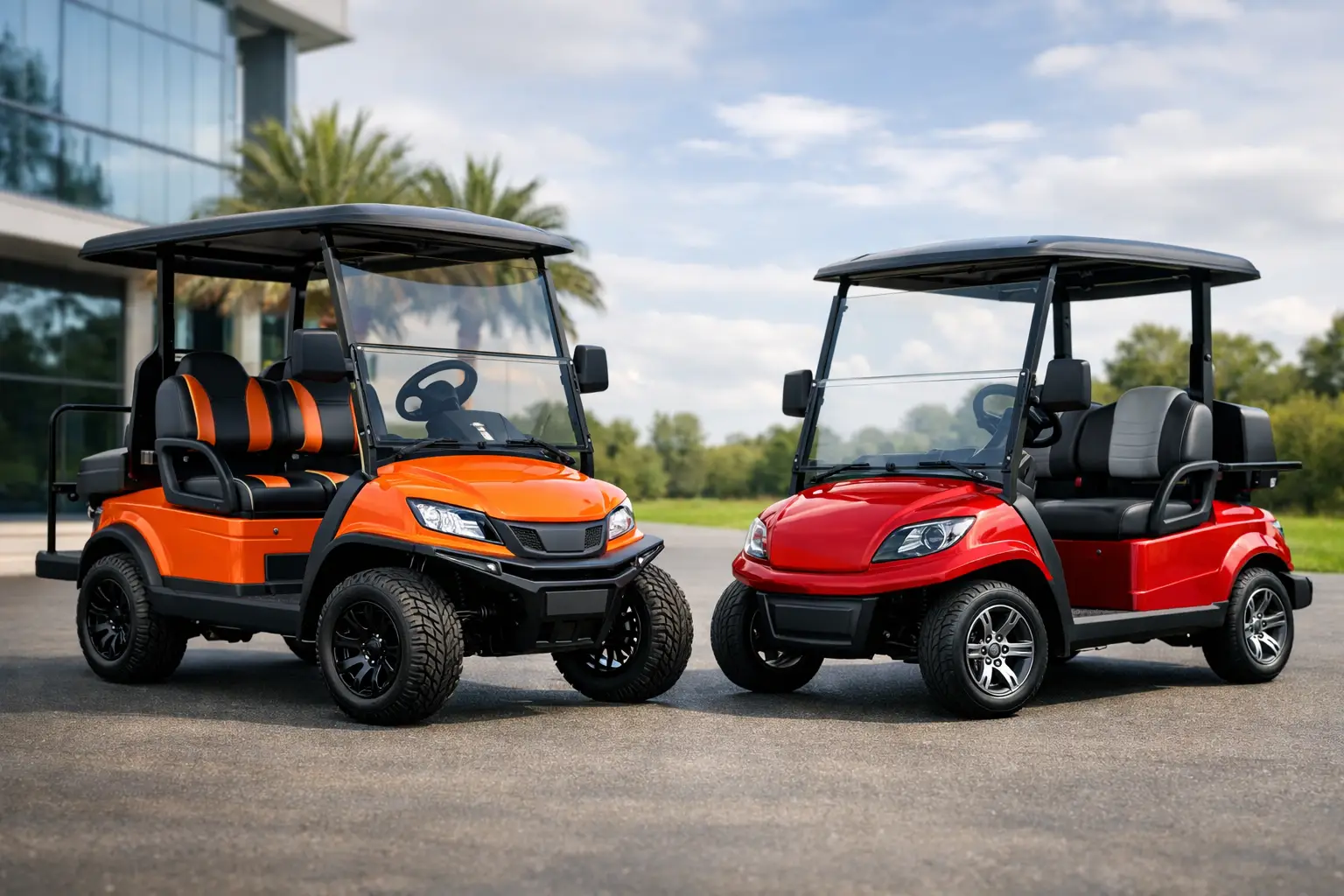
A neighborhood cart should make the easy parts of your day even easier: getting to the clubhouse, taking the kids to a friend’s house, cruising the community at sunset, or loading up for a beach-town errand. That is why the Icon vs Kandi carts question is less about picking a logo and more about choosing the vehicle that fits how you actually plan to drive.
Both brands bring modern styling, electric convenience, and more comfort than the basic golf carts many buyers remember. The right choice comes down to seating needs, preferred features, ride feel, local street-use requirements, available inventory, and the kind of ownership support you want after delivery.
Icon vs Kandi Carts: The Big Picture
Icon and Kandi both appeal to buyers who want a feature-packed personal-use electric vehicle without settling for a stripped-down fleet cart. Depending on the model, you may find useful upgrades such as LED lighting, turn signals, mirrors, rear seating, stylish wheels, Bluetooth audio, backup cameras, and lifted suspensions.
Icon is often a strong fit for buyers looking for a polished, golf-community-ready cart with familiar configurations and a premium appearance. Its lineup commonly gives shoppers plenty of choices in seating capacity, colors, roof styles, and equipment packages. If you want a cart that looks at home outside a clubhouse, at a resort property, or in a planned community, Icon deserves a close look.
Kandi carts tend to attract shoppers who want bold styling, practical features, and a value-focused alternative in the personal electric vehicle category. Many buyers are drawn to their modern design and the chance to get useful passenger and convenience features in a cart built for fun, short-distance transportation.
Neither brand is automatically better for every buyer. A two-person couple running neighborhood errands has different priorities than a family that needs four or six seats for weekend rides. Start with your lifestyle, then compare the specific models available to you.
Compare the Ride You Want, Not Just the Spec Sheet
A spec sheet is useful, but it cannot tell you everything about how a cart feels when you pull out of the driveway. Before choosing between Icon and Kandi, think about the roads and paths you use most.
For smooth, paved community streets, comfort features such as supportive seating, easy entry, good visibility, a quiet electric drivetrain, and practical storage may matter more than an aggressive lifted stance. If your route includes uneven terrain, gravel driveways, grass, or rougher paths, ground clearance, tire choice, suspension setup, and overall stability should move higher on your list.
A lifted cart can look great and handle certain terrain better, but it may also change the step-in height and ride characteristics. A standard-height model can be easier for some passengers to get in and out of, especially for retirees, younger riders, or anyone carrying groceries and gear. Take a real test drive when possible, with the people who will ride with you most often.
Seating Changes the Buying Decision
Seating is one of the fastest ways to narrow the field. Two-seat carts are ideal for couples, golfers, and homeowners who want simple daily transportation. Four-seat models work well for families and guests, while six-seat configurations make sense for larger households, resort properties, and buyers who regularly carry a full crew.
Do not treat rear-facing seats as an afterthought. Consider how often adults will use them, how easily passengers can climb in, where you will store bags, and whether the cart still fits in your garage. A cart that looks perfect online can become inconvenient if it leaves no room to walk around it at home.
Features: What Is Helpful and What Is Just Nice to Have?
Modern carts can come loaded, and that is part of the appeal. Still, the best feature package is the one you will use every week.
For neighborhood driving, safety and visibility equipment should be near the top of the list. Headlights, taillights, turn signals, mirrors, a horn, seat belts, and a rearview camera can make daily driving more confident, especially around pedestrians, pets, parked cars, and evening traffic. Requirements vary by city, county, and community, so confirm the rules where you plan to operate the cart before you buy.
Comfort and entertainment features matter, too. Bluetooth speakers can make sunset rides more fun. Premium seats, cup holders, USB charging, and windshields add convenience. Custom wheels, colors, and accent lighting give the cart personality. These are worthwhile upgrades when they match your lifestyle, but they should not distract from basics like the battery system, charging setup, passenger capacity, and service support.
When comparing an Icon and a Kandi model, ask the dealership what is included in the advertised price. Features can differ by trim, model year, and current inventory. Transparent pricing matters because a lower starting number is not always the lower final cost once desired accessories or delivery are added.
Battery, Charging, and Everyday Ownership
Electric-cart ownership is refreshingly simple when you have the right setup at home. You park, plug in, charge as recommended, and wake up ready for another day of driving. But battery type, range expectations, charger compatibility, and care requirements are still worth discussing before purchase.
Many modern personal electric vehicles use lithium battery systems, which are popular for their lighter weight, efficient charging, and low-maintenance ownership compared with older battery setups. Exact battery capacity and real-world driving range vary by model, terrain, passenger load, speed, temperature, and accessory use. A cart carrying six people up hills will not travel the same distance as a two-seat cart cruising flat streets.
Ask where and how you will charge. Most homeowners want an easy garage charging routine, but you should confirm the electrical requirements, charger type, and recommended charging habits for the specific cart. Also ask about battery warranty coverage, service intervals, and what support is available if you have a question after delivery.
This is an area where buying from a specialized dealer can pay off. A good dealership helps you understand the vehicle before it arrives, prepares it properly, and gives you a clear path for service instead of leaving you to sort through ownership questions alone.
Price, Financing, and Long-Term Value
Budget is more than the sticker price. Compare the equipped vehicle you want, including seating, batteries, accessories, delivery, taxes where applicable, and any local registration or insurance needs. If you are financing, look at the monthly payment and the total cost over the term, not just the lowest payment advertised.
Icon may be the better fit when a particular configuration, style, or feature package matches your wish list without requiring major changes. Kandi may be the better fit when its available models deliver the look and functionality you want at a price that feels right for your plans. Inventory can change that answer quickly, which is why it helps to compare actual units rather than broad brand descriptions alone.
Long-term value also includes downtime. Ask about warranty terms, parts availability, local or mobile service options, and who you call when you need maintenance. Your cart is supposed to create more freedom, not more errands.
The Best Way to Choose Between Icon and Kandi
Bring a short list of real-life requirements to your test drive: how many people you carry, whether you need a lifted setup, where the cart will be stored, the distance you drive in a typical week, and the features you consider non-negotiable. Then sit in both options, check the rear seats, test visibility, and picture loading the cart into your routine.
At EV Superstore, shoppers can compare feature-rich electric carts with knowledgeable guidance, flexible financing options, and support from selection through delivery and service. The goal is not to pressure you into a brand. It is to get you into a cart you will be excited to use.
The smartest choice is the one that fits your driveway, your passengers, your community rules, and your favorite reason to head outside. Schedule a test drive, ask direct questions, and choose the cart that makes every local trip feel like part of the fun.