
Lithium Battery Review for Modern Golf Cart Buyers
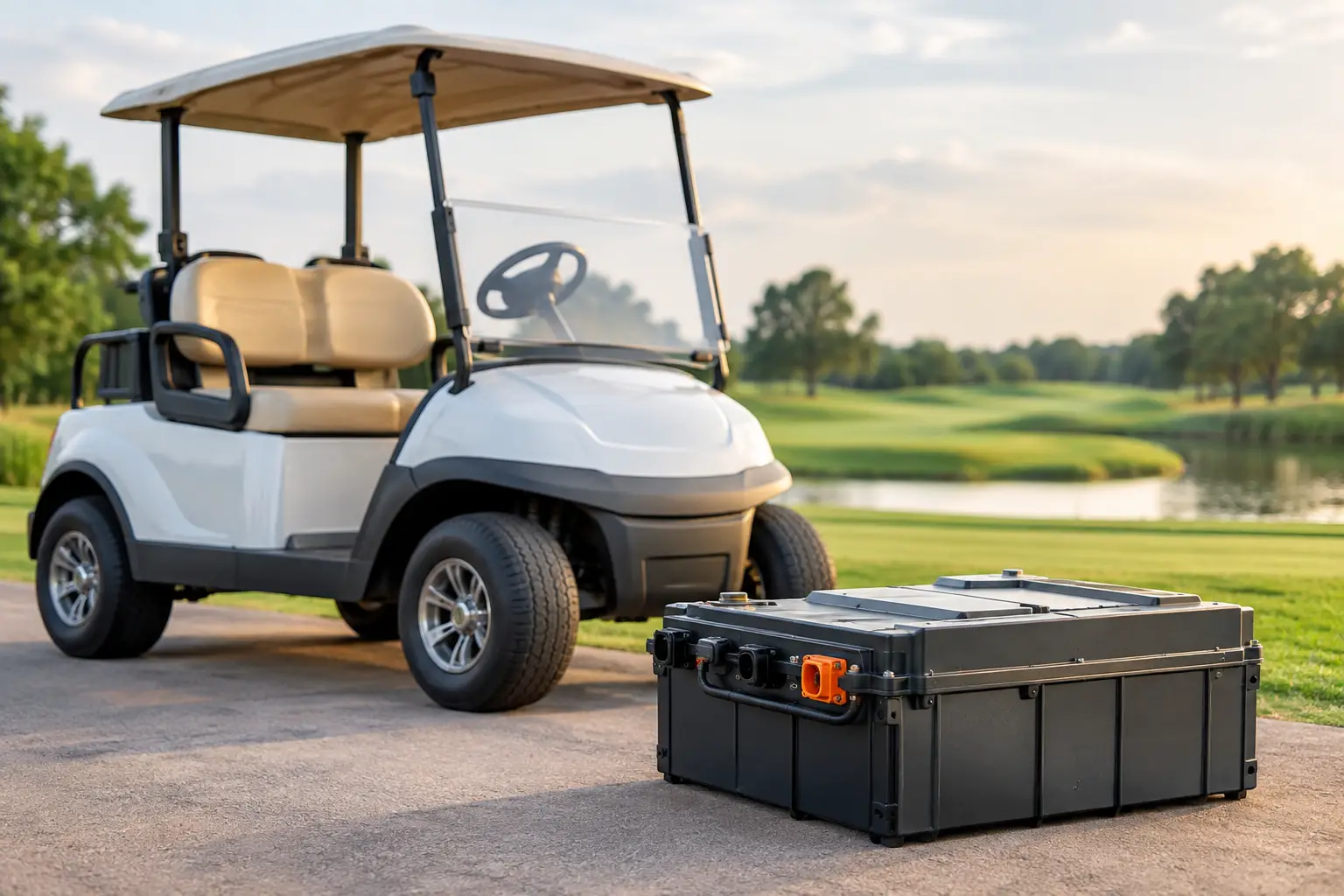
A great-looking electric golf cart can have premium seats, a backup camera, Bluetooth speakers, and all the style you want. But if the battery system is outdated, slow to charge, or fading halfway through the day, the ownership experience changes fast. This lithium battery review covers what modern golf cart buyers should know before choosing a cart or upgrading the one already in the garage.
For neighborhood cruising, trips around a golf community, resort transportation, or moving the family around a large property, lithium power has become the preferred choice for many buyers. It is lighter, more efficient, and typically easier to live with than traditional lead-acid batteries. That does not mean every lithium setup is identical, though. Capacity, charger quality, battery management, warranty coverage, and how you use the cart all matter.
Why Lithium Batteries Have Changed Golf Cart Ownership
Traditional flooded lead-acid batteries have powered golf carts for generations. They can still be a workable lower-upfront-cost option, especially for light, occasional use. Their trade-off is maintenance and weight. They need periodic water checks, terminals can corrode, charging takes longer, and their performance can drop as their state of charge falls.
Lithium batteries eliminate much of that routine. Most golf cart lithium systems are sealed, maintenance-free, and significantly lighter than a comparable lead-acid bank. Less battery weight can help a cart accelerate more confidently, climb inclines with less strain, and feel more responsive with passengers onboard.
The difference is especially noticeable in feature-rich personal-use carts. Lift kits, larger wheels, rear-facing seats, upgraded sound systems, lighting, and windshields all add weight or electrical demand. A well-matched lithium system gives those premium features a stronger foundation.
Lithium also delivers more consistent voltage across the charge cycle. In plain terms, the cart tends to feel more capable for longer rather than becoming noticeably sluggish near the end of the day. For buyers who want to charge overnight and drive the next day without thinking about battery upkeep, that convenience is a major advantage.
Lithium Battery Review: The Benefits That Matter Most
The best reason to choose lithium is not a spec-sheet bragging contest. It is how the cart fits into your life. You want to pull it out on Saturday morning, carry groceries from the clubhouse, take the grandkids for a ride, or cruise to dinner without planning the day around a battery gauge.
More usable range
A lithium battery can provide a greater share of its rated capacity without the performance drop commonly associated with lead-acid batteries. Actual range varies widely, but many personal-use carts equipped with a properly sized lithium pack can handle a full day of normal community driving on one charge.
Do not shop by range claims alone. A flat paved neighborhood, two adults, and moderate speeds will produce a very different result than hilly roads, four passengers, oversized tires, and frequent full-throttle runs. Ask what battery capacity is installed, measured in amp-hours, and how the expected range was calculated.
Faster, simpler charging
Lithium charging is generally more efficient and often faster than lead-acid charging. Depending on the battery size and charger, a depleted pack may recharge in several hours rather than requiring an extended overnight cycle.
Just as valuable, lithium batteries do not require watering. There are no removable caps, no distilled-water routine, and no acid spills to worry about. For seasonal residents and busy families, fewer maintenance tasks make ownership easier.
Longer service life
Quality lithium iron phosphate, often called LiFePO4, batteries can last substantially longer than traditional lead-acid batteries when used and charged correctly. While lead-acid batteries may need replacement after a few years, a quality lithium pack can often deliver many more charge cycles.
That longer lifespan helps offset the higher purchase price. The right comparison is not simply what the batteries cost on day one. Consider replacement cycles, maintenance, charging efficiency, and how long you plan to keep the cart.
Less weight, better performance
Battery weight is a bigger deal than it sounds. A lead-acid battery bank can add several hundred pounds to a golf cart. Lithium packs can reduce that load dramatically, which can improve handling and reduce stress on suspension and drivetrain components.
For a cart used around a neighborhood or golf community, that lighter feel often translates to a more enjoyable ride. It can also leave more capacity for the people and gear you actually want to carry.
The Trade-Offs to Consider Before You Buy
Lithium is a premium upgrade, not automatic magic. The first trade-off is upfront cost. A quality lithium system is usually more expensive than replacing a set of lead-acid batteries. Buyers on a tight budget who only drive short distances a few times a month may not recover that extra cost as quickly.
Cold weather is another consideration. Lithium batteries should not be charged below the manufacturer’s specified temperature range unless the battery includes cold-weather charging protection or internal heating. This matters most for owners in colder parts of the country who store a cart in an unheated garage.
Compatibility also matters. The battery, charger, controller, and cart voltage must work together. A 48-volt cart needs a correctly matched 48-volt lithium system. Installing a lithium battery without confirming charger compatibility can shorten battery life or create charging problems. This is one reason dealership guidance and professional service support are worth having.
Finally, not all lithium batteries offer the same protections. The battery management system, or BMS, monitors cells and helps protect against issues such as overcharging, excessive discharge, overheating, and high current draw. A lower-priced battery with vague specifications or limited warranty support may look attractive until service is needed.
What to Look for in a Golf Cart Lithium Battery
Start with the battery chemistry. For most personal-use golf cart applications, LiFePO4 is a popular choice because it offers stability, long cycle life, and strong day-to-day performance. Then look at capacity. A 48-volt 100Ah battery will suit many typical community-driving needs, but buyers who regularly tackle hills, carry several passengers, or want more range may benefit from higher capacity.
Pay close attention to continuous discharge capability. A battery needs to supply enough current for the cart’s motor and controller, particularly during acceleration and hill climbing. Capacity tells you how much energy is stored. Discharge rating helps tell you how confidently the battery can deliver it.
Warranty terms deserve a careful read. A strong warranty should clearly explain coverage length, capacity retention expectations, exclusions, and the process for getting support. Since a battery is one of the most valuable parts of an electric cart, clear service backing beats vague promises.
It is also smart to ask whether the battery includes a state-of-charge display, Bluetooth monitoring, or a compatible dash gauge. These features are not required, but they make it easier to check battery status and spot unusual behavior before it becomes an inconvenience.
How Much Range Do You Really Need?
Many buyers overestimate daily range needs, then pay for capacity they rarely use. Others choose the smallest option and find it limiting after adding rear seating, larger tires, or regular family passengers. The right battery size depends on your route, terrain, cart setup, and driving habits.
Think about your longest normal day, not your shortest trip. Do you drive from home to the pool, clubhouse, and restaurants? Are there steep bridges, hills, or long stretches of road? Will the cart carry two people most of the time, or four to six? Answering those questions produces a much more useful recommendation than picking a battery based on a single advertised mileage number.
For buyers who want a premium personal vehicle rather than a basic course cart, extra capacity can provide welcome breathing room. You are not just protecting range. You are protecting the freedom to take the longer route home.
Charging Habits That Protect Your Investment
Lithium batteries are low-maintenance, but they still benefit from good habits. Use the charger designed or approved for the battery system, keep charging connections clean and dry, and avoid running the battery completely empty whenever possible. If the cart will sit for an extended period, follow the battery manufacturer’s storage guidance instead of leaving it ignored for months.
A lithium system with a smart charger and quality BMS does much of the work for you. Still, routine inspection is worthwhile. Check cables, terminals, and mounting hardware during regular service visits. If range suddenly drops, charging becomes inconsistent, or warning lights appear, have the system inspected rather than guessing.
Is Lithium Worth It for Your Next Cart?
For most buyers shopping for a modern electric golf cart, lithium is worth serious consideration. It delivers the convenience, responsive performance, and reduced maintenance that match a premium, ready-to-drive ownership experience. It is particularly compelling for people who use their cart frequently, want dependable range, or plan to keep the vehicle for years.
Lead-acid can still make sense for limited use and a lower initial investment. But if your cart is becoming part of everyday life - school runs inside the community, sunset rides, quick errands, golf days, and family gatherings - lithium makes the experience easier from the first charge onward.
The smartest next step is to match the battery to the way you actually drive. At EV Superstore, that means looking beyond the paint color and seat configuration, asking the right range questions, and choosing a cart that is ready for the miles you plan to enjoy.