
Lithium Charger Review for Electric Golf Carts
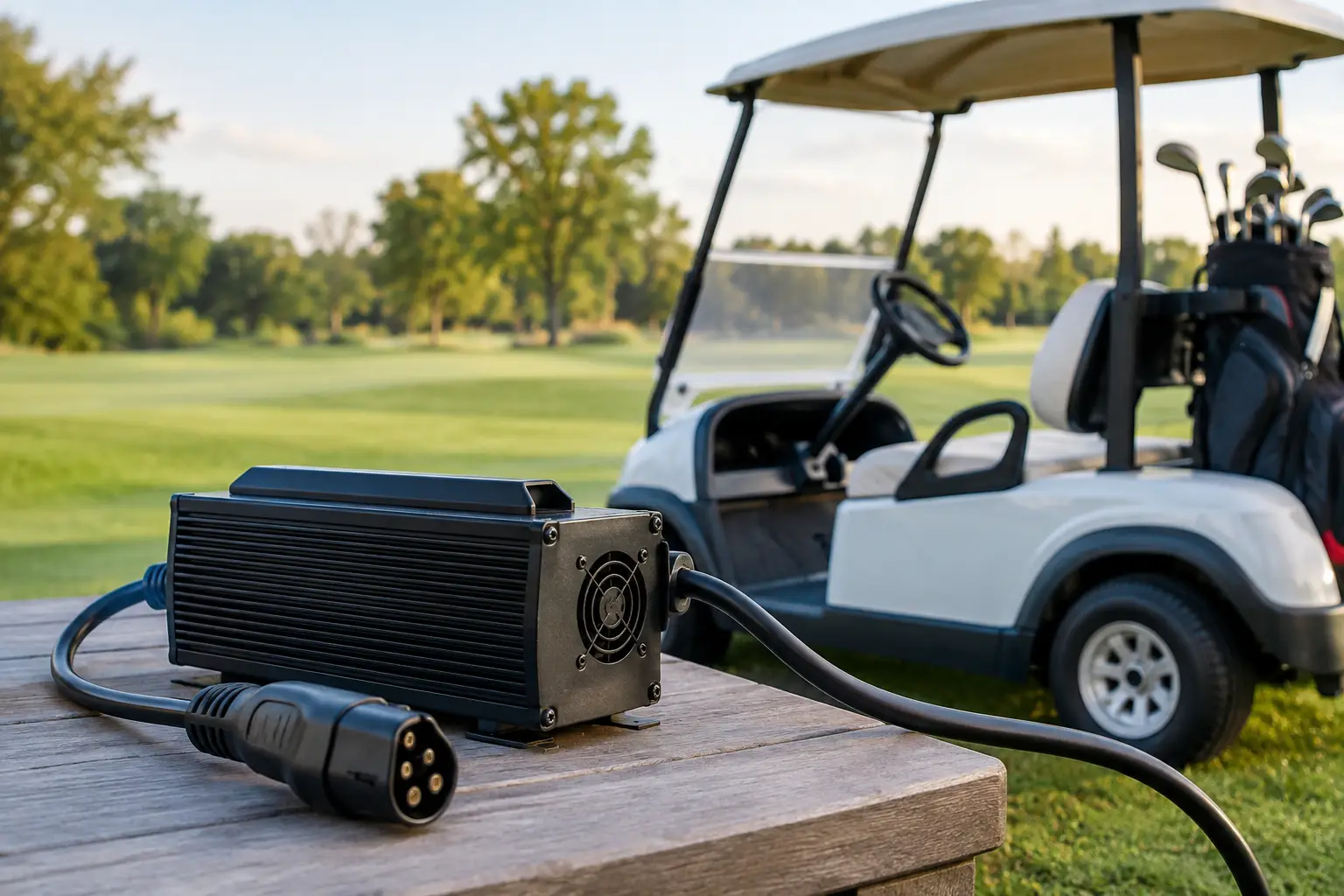
A charger can be the difference between a cart that is ready for a sunset cruise and one that is still parked when the family is waiting. This lithium charger review focuses on what electric golf cart owners actually need: dependable charging, proper battery protection, simple operation, and a setup that fits the way you use your cart.
Lithium power has become a popular upgrade for personal-use golf carts because it can reduce maintenance, improve usable range, and deliver consistent performance. But a lithium battery needs the right charger. Using a charger designed for traditional lead-acid batteries can create charging issues, shorten battery life, or prevent the battery management system from doing its job.
What Makes a Lithium Charger Worth Buying?
The best lithium golf cart chargers are not necessarily the fastest or the most expensive. They are the ones matched to your battery's voltage, chemistry, capacity, connector, and charging requirements. That sounds technical, but your dealer or battery manufacturer should be able to confirm these details quickly.
For most cart owners, the strongest charger is one you can plug in with confidence after a day around the neighborhood, at the clubhouse, or on your property. It should communicate properly with the battery's built-in battery management system, stop or reduce output when charging is complete, and avoid excessive heat during normal use.
A quality charger also feels built for real ownership. Look for a durable housing, a cord long enough for your parking setup, a clear charge-status display, and a connector that fits securely without being difficult to remove. These details matter more than flashy features when you are using the cart several times a week.
Lithium Charger Review: The Features That Matter
Correct voltage and lithium profile
Start with voltage. A 48-volt cart requires a charger designed for that system, while a 36-volt cart requires a different charging profile. Do not assume that a connector fitting the receptacle means the charger is compatible. Voltage, output settings, and lithium chemistry must all line up.
Lithium iron phosphate, often called LiFePO4, is common in golf cart conversions and newer lithium-equipped carts. Its charging needs differ from flooded lead-acid, AGM, and gel batteries. A charger specifically programmed for your lithium battery chemistry helps the battery charge efficiently and lets its protection system operate as intended.
If you are buying a new cart, confirm whether its charger is included and whether it is an onboard or portable unit. If you are upgrading an older cart from lead-acid to lithium, do not automatically keep the old charger. This is one of the most common places owners cut costs early, then create avoidable headaches later.
Charging speed that fits your routine
More amps can reduce charging time, but bigger is not always better. A higher-output charger can be convenient for a busy household, rental-style use, or a cart that makes multiple trips each day. However, the battery manufacturer may specify a recommended maximum charge rate. Exceeding it can cause unnecessary heat, battery-management interruptions, or reduced long-term performance.
For casual neighborhood use, an appropriately sized standard charger is often the smart choice. Plug it in overnight and your cart is ready by morning. For owners who use their cart heavily at a large property, resort, campground, or golf community, a faster approved charger may be worth the investment.
Think about your real schedule before choosing. The right question is not, “What is the fastest charger available?” It is, “How quickly do I need my cart ready again, and what does my battery support?”
Automatic shutoff and battery protection
A modern lithium charger should not continue charging blindly after the battery is full. It should follow a lithium-appropriate charge cycle and work alongside the battery management system, often called the BMS. The BMS helps protect against conditions such as overcharging, over-discharge, extreme temperatures, and excessive current.
Automatic completion is especially valuable for owners who prefer a no-hassle routine. Park the cart, connect the charger, and let the system manage the charge. That is much easier than monitoring fluid levels, cleaning corrosion, or worrying about long equalization cycles associated with traditional batteries.
Still, automatic does not mean ignore the equipment forever. Check the charger lights or display periodically, inspect cables for damage, and pay attention if the charger runs unusually hot, shuts off immediately, or repeatedly fails to complete a charge.
Durability for garages, carports, and travel
Golf carts are lifestyle vehicles, which means they do not always live in climate-controlled garages. Your charger may sit in a Florida carport, a Texas garage, or a storage area that sees dust, humidity, and temperature swings.
A sturdy charger housing and protected connections are worth prioritizing. Ventilation matters, too. Never cover a charger while it is operating or place it directly on material that traps heat. If you carry a portable charger, keep it secured during transport and avoid letting cables drag or pinch under seats.
Weather resistance should be considered carefully. A charger may tolerate normal garage humidity or occasional splashes, but that does not make it safe to operate in standing water or heavy rain. Keep the charging area dry and follow the manufacturer's instructions for storage and use.
Onboard vs. Portable Chargers
An onboard charger stays installed on the cart. This can be a great fit for owners who want the simplest routine. Pull into the garage, open the charge-port door, and plug in. The charger travels with the cart, so it is always available if you visit a friend, take the cart to a second home, or need to charge away from your usual parking spot.
The trade-off is that onboard units add permanent equipment and may require professional installation. If a unit fails, diagnosis can be more involved because it is integrated into the vehicle.
A portable charger is usually easier to replace, store, and move between compatible carts. It can also make sense for seasonal users or owners who prefer to keep charging equipment inside. The downside is simple: it can be forgotten, misplaced, or exposed to damage if it is not stored properly.
Neither choice is universally better. For a fully equipped personal-use cart that sees frequent use, onboard convenience is hard to beat. For a straightforward upgrade project or occasional-use cart, a quality portable unit can be a practical solution.
Common Charging Mistakes to Avoid
The most expensive charger mistake is using a unit that is not approved for your battery. A lead-acid charger can have a different voltage curve and maintenance mode than a lithium battery requires. Even if it appears to work, it may not fully charge the pack or may cause the BMS to disconnect.
Avoid charging with damaged cables, loose connectors, or improvised adapters. A weak connection can create heat and inconsistent charging. If the connector feels loose, gets hot, or shows discoloration, stop using it until it is inspected.
It is also wise to avoid draining a lithium battery to empty before every recharge. Lithium batteries do not need the same routine as older lead-acid systems. Many owners get the best everyday experience by charging after use or according to the battery manufacturer's guidance, rather than waiting for the cart to feel weak.
For long-term storage, follow the battery maker's recommended state of charge. Some lithium systems are fine being left connected to a compatible charger, while others are best stored at a partial charge with periodic checks. This is an area where the owner's manual matters more than generic advice.
When a Charger Problem Is Really a Cart Problem
If your cart will not charge, the charger is not automatically the culprit. The outlet may have tripped, the charge port may be dirty or damaged, the battery may be in protection mode, or a loose cable may be interrupting the circuit. Some lithium batteries can shut down after being deeply discharged or exposed to temperatures outside their charging range.
Start with the simple checks: verify the wall outlet, inspect the connector, confirm the charger matches the battery, and look for battery or charger indicator lights. If the issue continues, professional service is the smart move. Guessing with electrical components can turn a minor fix into a larger repair.
At EV Superstore, we see the best ownership experience when the cart, battery, and charger are treated as one system. That means choosing equipment that works together from day one, rather than piecing together a setup based on connector shape or the lowest price.
A lithium charger should make cart ownership feel easier, not more complicated. Choose the approved match for your battery, give it a clean and dry place to work, and let your cart spend more time out on the road than waiting by the wall outlet.