
Lithium Golf Carts vs Gas: Which Fits Your Ride?
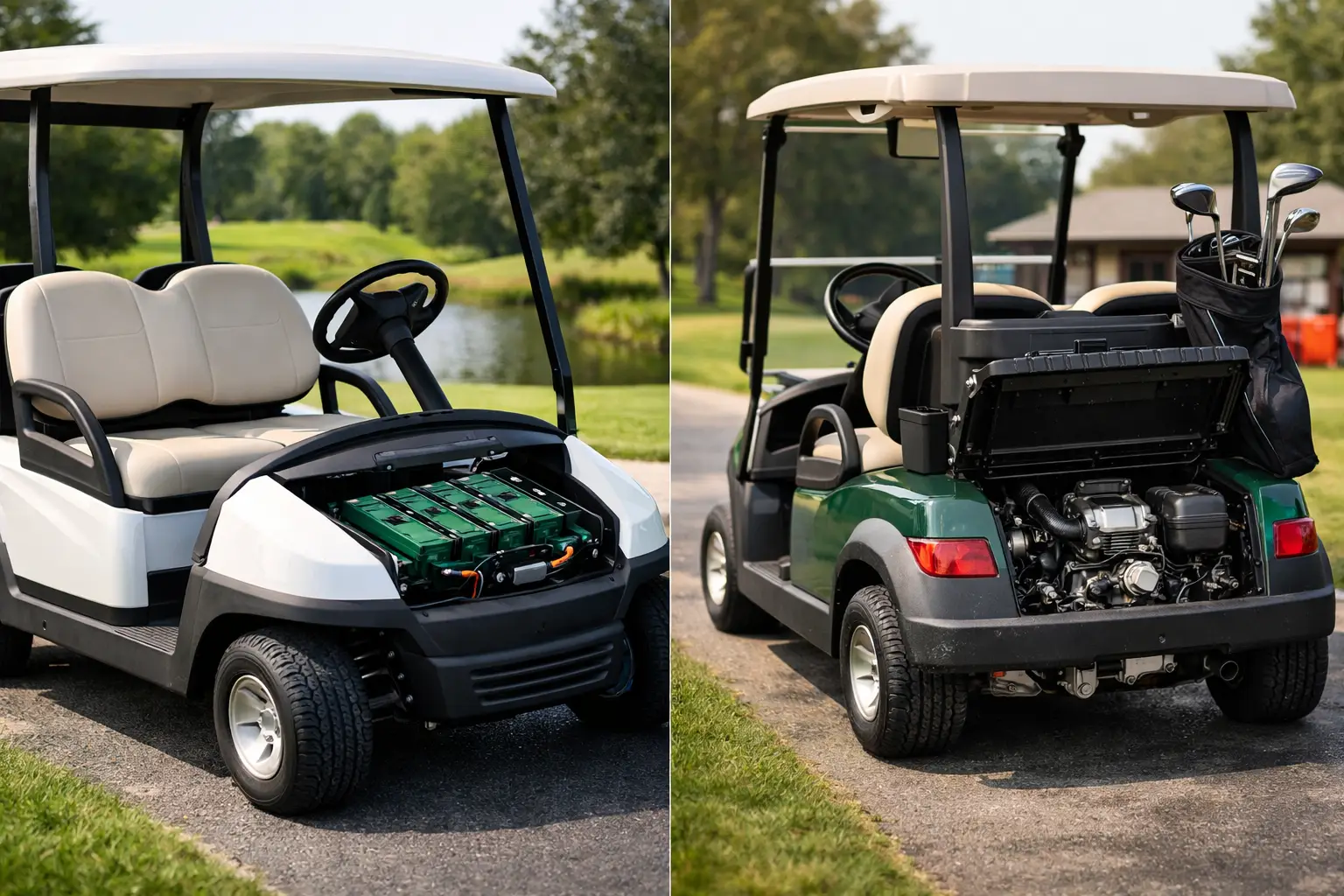
A cart that smells like fuel in the garage, needs a pull-start, and idles loudly at the clubhouse can feel dated fast. For homeowners, golf community residents, and weekend cruisers, the real question behind lithium golf carts vs gas is simple: which one makes getting out and going easier?
Gas carts still have a place for certain jobs. But for the way most personal-use buyers drive today - neighborhood runs, community events, resort properties, and family rides - a modern lithium electric cart offers a quieter, cleaner, more feature-packed ownership experience. The right answer depends on where you drive, how far you go, and what you expect from your cart.
Lithium Golf Carts vs Gas: The Everyday Difference
The biggest difference is not just what powers the cart. It is how the cart fits into your day.
A gas cart uses a small combustion engine, similar in principle to other gas-powered recreational equipment. It needs fuel, oil changes, engine service, and occasional attention to belts, filters, plugs, and exhaust components. They can be practical for remote properties, heavy-duty work, or situations where a fuel stop is easier than charging.
A lithium electric cart runs on a lithium battery pack and electric motor. Press the pedal and it moves quietly, with immediate power and no engine warm-up. When you get home, plug it in. For buyers who want to cruise the neighborhood, pick up groceries nearby, carry beach gear, or enjoy a relaxed evening ride, that simplicity is hard to beat.
There is also a lifestyle difference. Electric carts let you talk to your passengers without raising your voice. They do not leave gas fumes in an enclosed garage. And because many premium personal-use models are designed around comfort and style, they often come ready for fun with features such as backup cameras, Bluetooth speakers, LED lighting, upgraded seats, and sleek automotive-inspired finishes.
Upfront Cost Is Only Part of the Story
At first glance, a gas cart may look like the lower-cost option in some comparisons, particularly among older or basic models. A lithium-powered cart can carry a higher upfront price because the battery technology is more advanced and premium electric carts tend to include more standard equipment.
But the purchase price is not the full ownership cost.
Gas requires regular fuel purchases, plus routine engine maintenance. Even a cart that is not driven every day still has fluids, moving engine parts, and fuel-system concerns to manage over time. Storage can also take more preparation, especially if the cart sits for long stretches.
Lithium electric carts have fewer routine maintenance needs. There is no oil to change, no fuel filter to replace, and no carburetor to clean. Charging costs are typically modest compared with filling a fuel tank, especially for owners who use their cart for shorter local trips. Less time in the service bay can mean more time using the cart the way you bought it to be used.
That does not mean electric ownership is completely maintenance-free. Tires, brakes, steering components, suspension, lights, and accessories still need periodic inspection. A quality dealer can help you understand the recommended service schedule, battery warranty, and care requirements before you buy.
Range and Charging: What Most Buyers Actually Need
Range anxiety gets more attention than it deserves for many golf cart shoppers. The key is to think about your real driving pattern, not a hypothetical all-day expedition.
Most personal-use owners drive short, repeatable routes: around the neighborhood, through a gated community, to a nearby amenity center, around a campground, or from a vacation property to the beach access point. A properly sized lithium cart can handle these routines comfortably, then recharge at home when the day is done.
Lithium batteries also charge more efficiently than traditional lead-acid batteries and generally maintain stronger performance as the battery discharges. That means the cart feels more consistent during a ride. Many lithium-equipped carts can be charged overnight, while some setups can recharge significantly faster when the proper charging equipment is available.
Gas does have an advantage when you need to travel far from electrical access or work continuously with minimal downtime. Refueling takes minutes. If you manage a large rural property, operate a cart in a remote commercial setting, or regularly drive beyond the practical range of an electric setup, gas may still be the better fit.
For most neighborhood and recreational buyers, though, charging at home is more convenient than stopping for fuel. It becomes part of the routine, much like plugging in a phone.
Power, Hills, and Passenger Loads
A common misconception is that electric carts are automatically less capable than gas. Modern lithium electric carts can deliver impressive torque right away. That immediate response is especially noticeable when accelerating from a stop, climbing moderate hills, or carrying several passengers.
Gas engines build power differently and may be appealing to drivers who are used to that engine feel or need sustained performance for demanding utility use. Yet for personal transportation, electric power is usually smoother, quieter, and more enjoyable.
The specific cart matters more than the fuel type alone. A four-passenger cart loaded with adults and gear needs the right motor, controller, battery capacity, tires, suspension, and braking system. A lifted six-passenger model used on hilly roads has different demands than a compact two-seat cart for flat community streets.
Before choosing, consider passenger capacity, terrain, expected payload, and the speed rules in your community. A knowledgeable dealer should help match the vehicle to the job instead of steering every shopper toward the same configuration.
Convenience and Maintenance Favor Lithium
Gas carts ask owners to think like small-engine owners. You will need to monitor fuel levels, schedule oil service, keep an eye on engine performance, and prepare the cart appropriately if it will sit unused. Fuel can degrade during storage, and an engine that is rarely used can still need attention.
Lithium carts simplify the experience. There is no gas can to store, no oil changes, and no exhaust system. Lithium batteries are also lighter than traditional lead-acid battery banks, which can help overall efficiency and reduce the maintenance associated with watering and cleaning lead-acid batteries.
For snowbirds, second-home owners, and busy families, that convenience matters. You want to arrive, unplug the cart, and go enjoy the day - not troubleshoot a fuel issue before the ride begins.
Noise, Smell, and the Neighborhood Factor
A personal-use cart should make the neighborhood more enjoyable, not announce your arrival from two streets away.
Lithium electric carts are exceptionally quiet. That is a major benefit for early morning rides, evening cruises, and communities where residents value peace and privacy. You hear conversations, music, and the sounds around you instead of engine noise.
They also produce no tailpipe emissions while driving. For garage storage and family use, avoiding gasoline odors and exhaust is a meaningful quality-of-life upgrade. This is one reason electric carts are such a natural fit for master-planned communities, resorts, and residential areas.
Gas carts are louder and create exhaust, even when they are running well. Some drivers do not mind that. Others take one test drive in a quiet electric cart and decide they never want to go back.
Who Should Choose a Gas Cart?
Gas is not obsolete. It remains a sensible choice for buyers with unusually demanding use cases. Consider gas if you regularly travel long distances with no access to charging, use the cart for heavy work across large acreage, or need fast refueling during all-day operation.
It can also make sense for buyers who already maintain gas equipment and prefer a familiar engine platform. Just be realistic about the maintenance, noise, fuel expense, and storage requirements that come with it.
Who Should Choose a Lithium Electric Cart?
Lithium is the better match for most buyers shopping for a premium personal-use vehicle. It is ideal for neighborhood mobility, golf community cruising, resort living, family transportation, and recreational rides where quiet performance and easy ownership matter.
It is also the stronger choice for buyers who want modern features and a polished, ready-to-drive experience. Whether you prefer a sporty lifted model, a comfortable four-seater, or a spacious six-passenger cart, today’s electric options offer far more than a basic trip from point A to point B.
At EV Superstore, shoppers can compare feature-rich electric models, discuss financing options, and get straightforward guidance on range, seating, speed, and delivery. The goal is not to sell you a cart that looks good only in the showroom. It is to help you choose one that fits the way you actually live.
A gas cart can still earn its keep on a big property or far from the grid. But if your ideal ride is quiet, stylish, low-maintenance, and ready whenever the neighborhood calls, take a lithium cart for a test drive. The best choice is the one that makes you look for more reasons to leave the driveway.