
Lithium vs Lead Acid Carts: Which Wins?
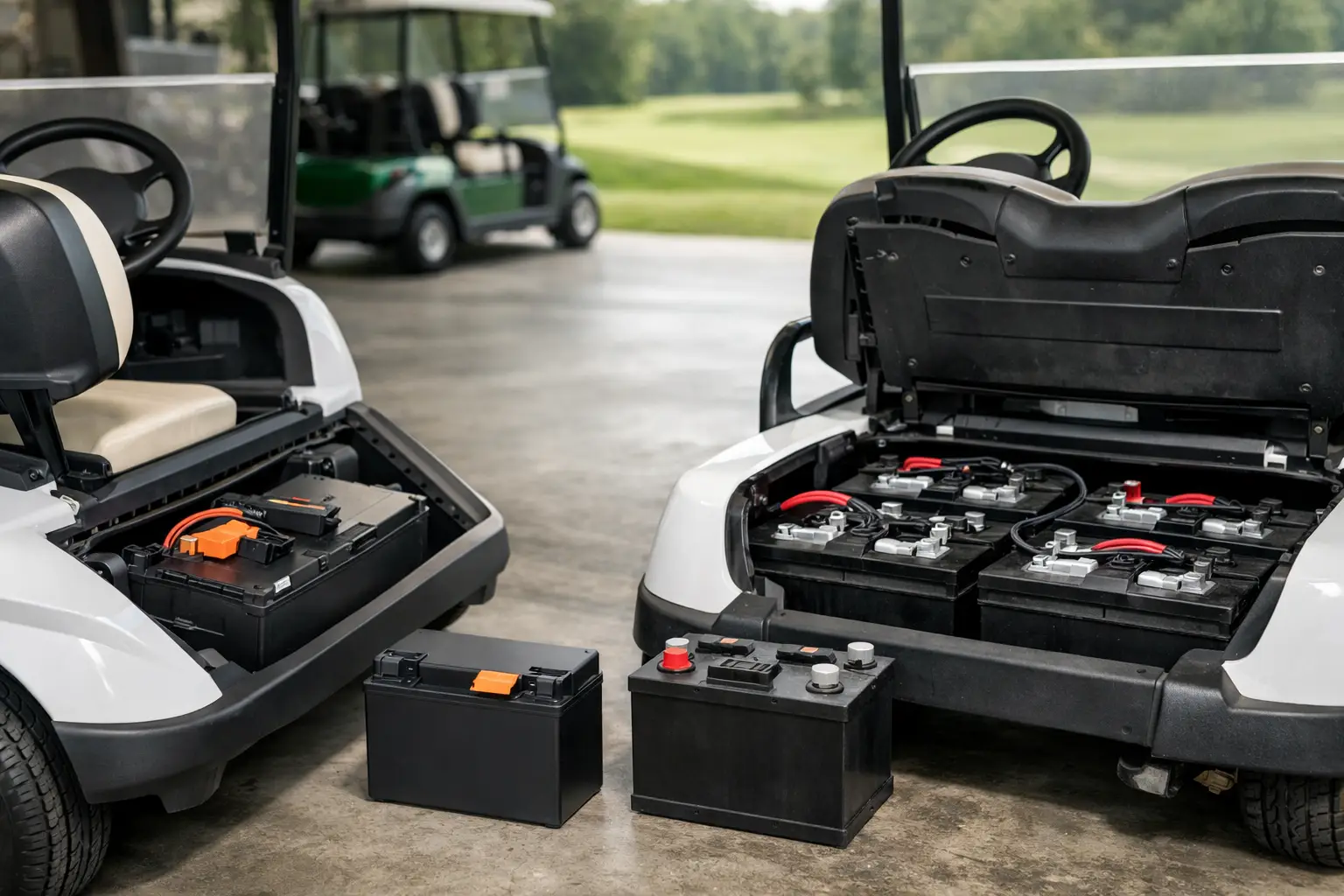
You feel the difference before you ever read a spec sheet. One cart starts quickly, climbs smoothly, and charges fast enough to fit your schedule. The other may cost less upfront, but it asks more from you over time. That is why lithium vs lead acid carts is still one of the biggest decisions for anyone buying a personal-use golf cart.
If you plan to cruise the neighborhood, shuttle the family around the community, or replace an older cart with something more modern, the battery setup matters more than most buyers expect. It affects performance, maintenance, charging habits, long-term value, and how easy ownership feels a year from now. And for most people shopping premium electric carts, easy ownership is the whole point.
Lithium vs lead acid carts: the real difference
At a glance, both battery types do the same job. They power an electric cart and get you where you want to go. But they do it in very different ways.
Lead acid batteries are the traditional option. They have been used in golf carts for years, and many buyers recognize them because they are common and cheaper upfront. Lithium batteries are newer, lighter, and more efficient. They have become a favorite for buyers who want stronger performance and less maintenance.
The easiest way to think about it is this: lead acid is the older budget-minded path, while lithium is the premium upgrade for people who want convenience, better consistency, and fewer headaches.
That does not mean lithium is automatically right for every buyer. If your cart use is light and your top concern is initial price, lead acid can still make sense. But if you care about range, charging speed, and long-term ownership experience, lithium usually pulls ahead fast.
Performance on the road and around the neighborhood
The battery type changes how a cart feels when you drive it. This matters whether you are heading to the clubhouse, making a grocery run inside the community, or loading up passengers for an evening ride.
Lithium batteries are much lighter than lead acid batteries. Less weight usually means better acceleration, better efficiency, and a cart that feels more responsive. When you have extra passengers, hills, or accessories on board, that lighter setup can be a noticeable advantage.
Lead acid carts can still perform well, but they tend to feel more sluggish as the battery charge drops. That is one of the biggest real-world differences. Lithium holds voltage more consistently, so the cart often feels stronger for more of the ride. Lead acid batteries tend to fade as they discharge, which means your cart may feel less lively later in the day.
For buyers who want premium features and a more modern driving experience, lithium simply matches that expectation better.
Range and usable power
Range is not just about the published number. It is about how much of that power you can use comfortably.
Lithium batteries generally provide more usable capacity. In plain terms, you can use a larger share of the battery without hurting its lifespan. Lead acid batteries do not like being deeply discharged on a regular basis, so owners often need to be more careful.
That matters if your cart is doing more than a short trip to the mailbox. Neighborhood cruising, beach communities, larger properties, gated communities, and all-day recreational use can push battery demands higher than buyers expect. If your lifestyle includes frequent rides and multiple passengers, lithium gives you more breathing room.
Charging habits matter more than most buyers think
A lot of battery frustration comes from charging, not driving. This is where lithium earns its reputation.
Lithium batteries charge faster than lead acid batteries. For busy owners, that means less downtime and fewer moments where the cart is not ready when you want it. If you use your cart often, or several people in the household share it, quick charging becomes a real quality-of-life benefit.
Lead acid batteries usually need longer charging cycles and more discipline. They also tend to prefer being fully charged after use. Leave them sitting too long without proper charging, and battery health can suffer.
Lithium is generally more forgiving for the way modern buyers actually live. You use the cart, plug it in, and get back to your day. That convenience is a big reason more shoppers are moving away from traditional battery setups.
Maintenance and ownership experience
This is where the gap can get even wider.
Lead acid batteries require more maintenance. Depending on the setup, that can include checking water levels, cleaning terminals, watching for corrosion, and paying closer attention to charging routines. None of that is impossible, but it adds responsibility.
Lithium batteries are known for low maintenance. There is less routine upkeep, less mess, and less time spent thinking about battery care. For many homeowners and retirees, that alone is enough to justify the upgrade. The cart is supposed to make life easier, not create another maintenance checklist.
If you are replacing an older cart, this difference tends to stand out immediately. Buyers who have lived with lead acid before often switch to lithium because they are done dealing with the upkeep.
Upfront cost vs long-term value
This is the part everyone asks about, and rightly so.
Lead acid carts usually cost less upfront. If your budget is tight and you need the lowest initial price, that can be appealing. For occasional use, that lower entry point may be enough.
But upfront price is only part of the story. Lithium batteries typically last longer, perform more consistently, and require less maintenance. Over time, that can make them the better value. You are not just paying for a battery. You are paying for convenience, reliability, and fewer replacement concerns.
So which one is cheaper? It depends on how long you plan to keep the cart and how often you use it. If you are shopping for a short-term, occasional-use cart, lead acid may pencil out. If you want a cart that feels premium and stays easy to own, lithium usually makes more financial sense over the life of the vehicle.
Lithium vs lead acid carts for different types of buyers
The right answer depends on your lifestyle.
If you use your cart for short, occasional rides and want the lowest purchase price, a lead acid setup may still meet your needs. It can work for buyers who do not mind a little more maintenance and are comfortable following a stricter charging routine.
If you drive often, carry family or guests, want stronger performance, or simply do not want to think much about battery upkeep, lithium is usually the better fit. It is especially attractive for neighborhood drivers, gated community residents, vacation property owners, and anyone upgrading to a newer feature-packed cart.
For buyers focused on speed, convenience, and a premium ownership experience, lithium fits the expectation better. It feels more in line with what most people want from a modern electric cart today.
What to ask before you choose
Before you decide, think less about battery chemistry and more about how you will actually use the cart.
How far do you drive in a typical day? How often will the cart be used each week? Will it carry multiple passengers regularly? Are you storing it for long periods, or using it year-round? Do you want the lowest entry price, or the easiest long-term ownership experience?
Those answers usually point you in the right direction faster than any spec sheet. A buyer who uses the cart every day has very different needs from someone who uses it a couple of times a month. The best choice is the one that matches your real routine, not just the sticker price.
That is also why working with a dealership that understands both performance and ownership costs matters. A good match should fit your driving habits, budget, and expectations from day one.
The bottom line on battery choice
For most modern personal-use buyers, lithium has the edge. It charges faster, needs less maintenance, delivers more consistent performance, and supports the easy, ready-to-drive experience people expect from a premium electric cart.
Lead acid still has a place, especially for price-sensitive buyers with lighter usage. But if you want your cart to feel more convenient, more capable, and better suited to everyday life, lithium is hard to beat.
At EV Superstore, that is why so many shoppers lean toward newer lithium-powered models when they compare options side by side. Once you factor in performance, convenience, and long-term ownership, the upgrade often speaks for itself.
The best cart is not just the one that gets you moving today. It is the one that still feels like the right decision every time you plug it in, load it up, and head out for another easy ride.