
LSV Versus Golf Cart: Which One Fits You?
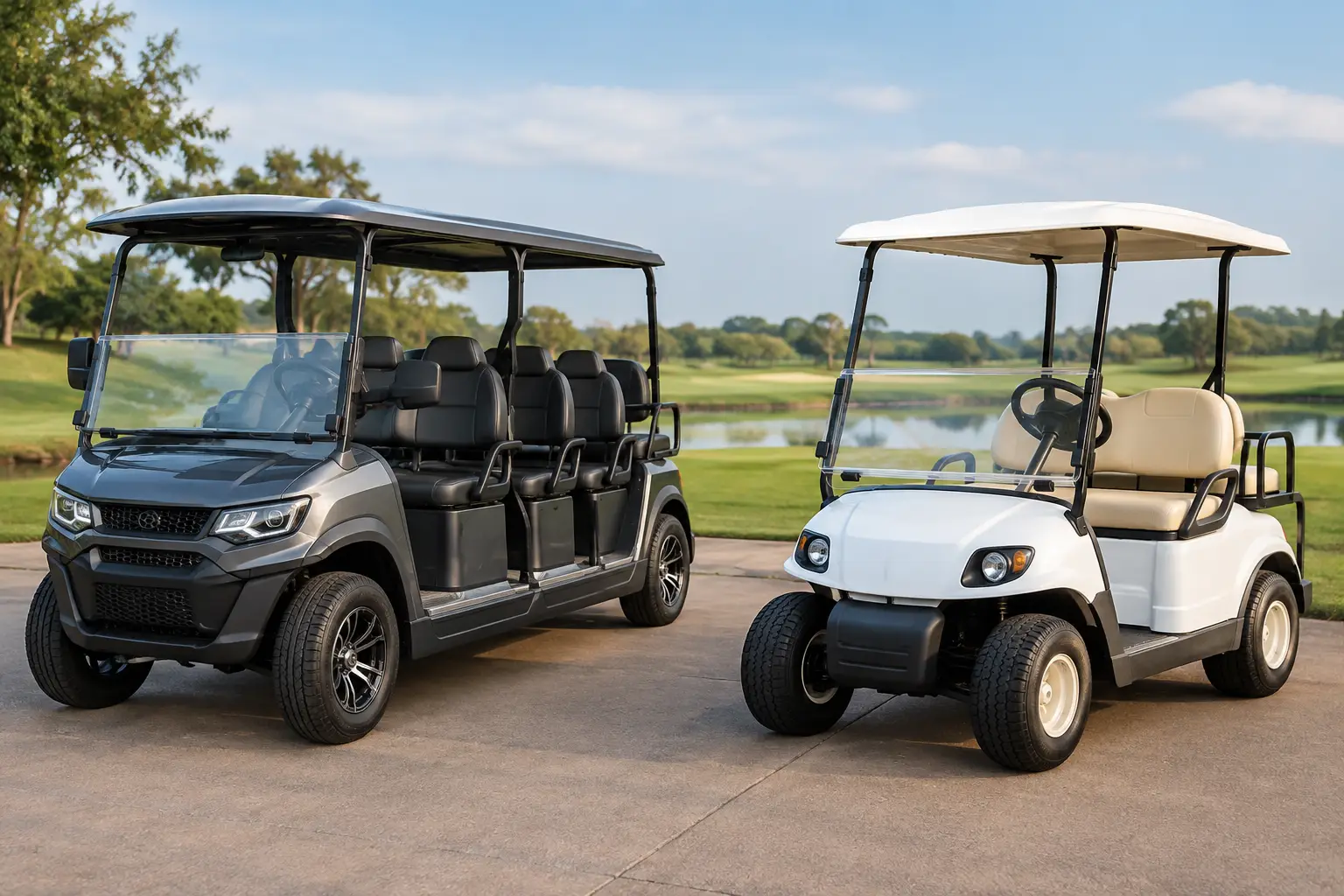
A great-looking electric cart can turn a quick trip to the clubhouse, pool, mailbox, or neighbor’s driveway into the best part of the day. But before you choose a model based on color, seating, speakers, or a backup camera, understand the difference that affects where and how you can drive it: LSV versus golf cart.
They may look similar at first glance. Both can be electric, carry families and gear, and make neighborhood cruising far more fun than taking the car. The key distinction is that an LSV is built and equipped for a specific type of on-road use, while a traditional golf cart is generally designed for private property, golf courses, and locations where local rules allow it.
The right choice depends on your community, your driving plans, and the type of ownership experience you want.
LSV Versus Golf Cart: The Core Difference
An LSV, or low-speed vehicle, is a federally recognized vehicle category. It is a four-wheeled vehicle with a top speed of more than 20 mph but no more than 25 mph. To qualify as an LSV, it must meet federal safety equipment requirements and carry a vehicle identification number, or VIN.
A traditional golf cart is typically designed to travel below 20 mph. It may be perfect for the course, a large property, a resort, or a private community, but it does not automatically meet the requirements to be registered and driven on public roads.
That does not mean every golf cart must stay on a golf course. Many cities, counties, and planned communities have their own golf cart ordinances. Some allow carts on designated roads, often with restrictions on speed limits, driver age, required equipment, or time of day. Those local rules vary widely, so never assume a cart is legal on your neighborhood streets because you see others driving one.
An LSV is also not a free pass to drive anywhere. Under federal guidelines, LSVs are generally intended for roads with posted speed limits of 35 mph or less. State and local laws can add registration, insurance, licensing, equipment, and route restrictions. The vehicle may be capable, but the road still has to be approved for its use.
What Makes an LSV Street Ready?
The biggest practical advantage of an LSV is that it is manufactured with on-road safety and compliance in mind. Required equipment typically includes headlights, taillights, brake lights, turn signals, reflectors, mirrors, a windshield, seat belts, a parking brake, a horn, and a VIN.
That equipment matters when you are sharing a road with cars, bicycles, pedestrians, and other neighborhood traffic. Seat belts help keep younger passengers secure. Turn signals make your next move clear. Mirrors and lighting give you more confidence during early mornings, evening rides, and busy weekend traffic.
Many premium personal-use electric vehicles go well beyond the required basics. Depending on the model, you may find features such as rearview cameras, LED lighting, Bluetooth audio, lifted suspension, upgraded wheels, locking storage, premium seating, and weather protection. Those details do not change the legal classification on their own, but they can make daily ownership feel far more comfortable and polished.
A standard golf cart can often be upgraded with street-style accessories. However, adding a windshield, lights, or mirrors does not necessarily turn it into an LSV. Classification depends on the vehicle, its speed capability, required equipment, and the applicable registration rules in your state.
Speed, Safety, and Everyday Use
For many buyers, speed is where the decision becomes real. A golf cart is usually a relaxed, low-speed ride. That can be exactly right for a gated community, an acreage property, campground use, or trips around a golf course. It is simple, easygoing, and built for short-distance travel.
An LSV has a higher speed range and more complete safety equipment, which makes it better suited for connected neighborhood errands. If your route includes several blocks of public roadway to reach a coffee shop, marina, community center, grocery pickup area, or a friend’s home, an LSV may offer the confidence and capability you want.
Still, faster is not always better. If your community limits cart travel to 15 mph or has private roads only, a traditional golf cart may meet your needs without paying for features you will not use. The best vehicle is the one that fits your normal route, not the one with the longest feature list.
Think about who will be riding, too. A couple cruising to dinner has different needs than grandparents transporting kids to the pool, or homeowners carrying beach chairs, groceries, and a cooler. Seating capacity, cargo space, suspension quality, braking feel, and visibility all deserve a test drive.
Registration, Insurance, and Driver Requirements
LSV ownership commonly comes with more vehicle-style responsibilities than golf cart ownership. Depending on your state, you may need a title, registration, license plate, proof of insurance, and a licensed driver. These requirements are a trade-off: there is more paperwork, but you gain a vehicle designed for broader permitted public-road use.
Golf cart requirements are more local. One community may allow golf carts with a simple local permit, while a nearby city may prohibit them on public streets altogether. Some jurisdictions require safety equipment or insurance even for carts that are not classified as LSVs.
Before you buy, call your city, county, homeowners association, or community management office. Ask which roads are approved, whether there is a speed-limit cap, what equipment is required, and whether registration or insurance applies. Getting clear answers before delivery prevents an expensive surprise later.
Cost: Look Beyond the Purchase Price
A golf cart can have a lower upfront price, especially if you choose a basic two-seat model for private property use. An LSV often costs more because it includes required safety components and is built around a more road-ready ownership experience.
But the purchase price is only part of the picture. Consider battery type, charging access, maintenance, warranty coverage, insurance, accessories, storage, and financing. A well-equipped electric vehicle with lithium power can offer useful range, quicker charging, lighter weight, and less routine battery upkeep than older lead-acid setups, although initial cost may be higher.
A lower-priced cart that cannot legally take the routes you need is not necessarily a better value. On the other hand, an LSV with every premium feature may be more vehicle than you need if it will only travel between your garage and the first tee.
Which One Should You Buy?
Choose a traditional golf cart if most of your riding happens on private property, golf courses, resort grounds, or community paths where local rules specifically permit golf cart use. It is an excellent fit for low-speed leisure, practical property transportation, and casual cruising close to home.
Choose an LSV if you want to use approved neighborhood streets, need a more complete set of safety features, or expect your electric vehicle to replace short car trips around your community. It is especially appealing for buyers who want a premium, road-ready ride for school drop-off zones, community amenities, local shops, and everyday fun.
If you are not sure, start with your routes. Write down the places you actually plan to go in a typical week, then check the posted speed limits and local vehicle rules. That one exercise will tell you more than comparing photos online.
Get the Right Electric Ride From the Start
The best purchase feels easy after delivery because it already fits your lifestyle. That means choosing the right seating, features, battery setup, legal classification, and service support before you commit.
At EV Superstore, buyers can compare feature-rich electric vehicles, explore financing options, and get help identifying a model that matches their community and driving plans. A test drive is the fastest way to feel the difference between a simple cart and a fully equipped LSV.
Before you pick your color or add your favorite accessories, confirm where you will drive. Then choose the electric ride that makes every approved mile feel like the one you were looking forward to all day.