
Resort Fleet Electrification That Guests Notice
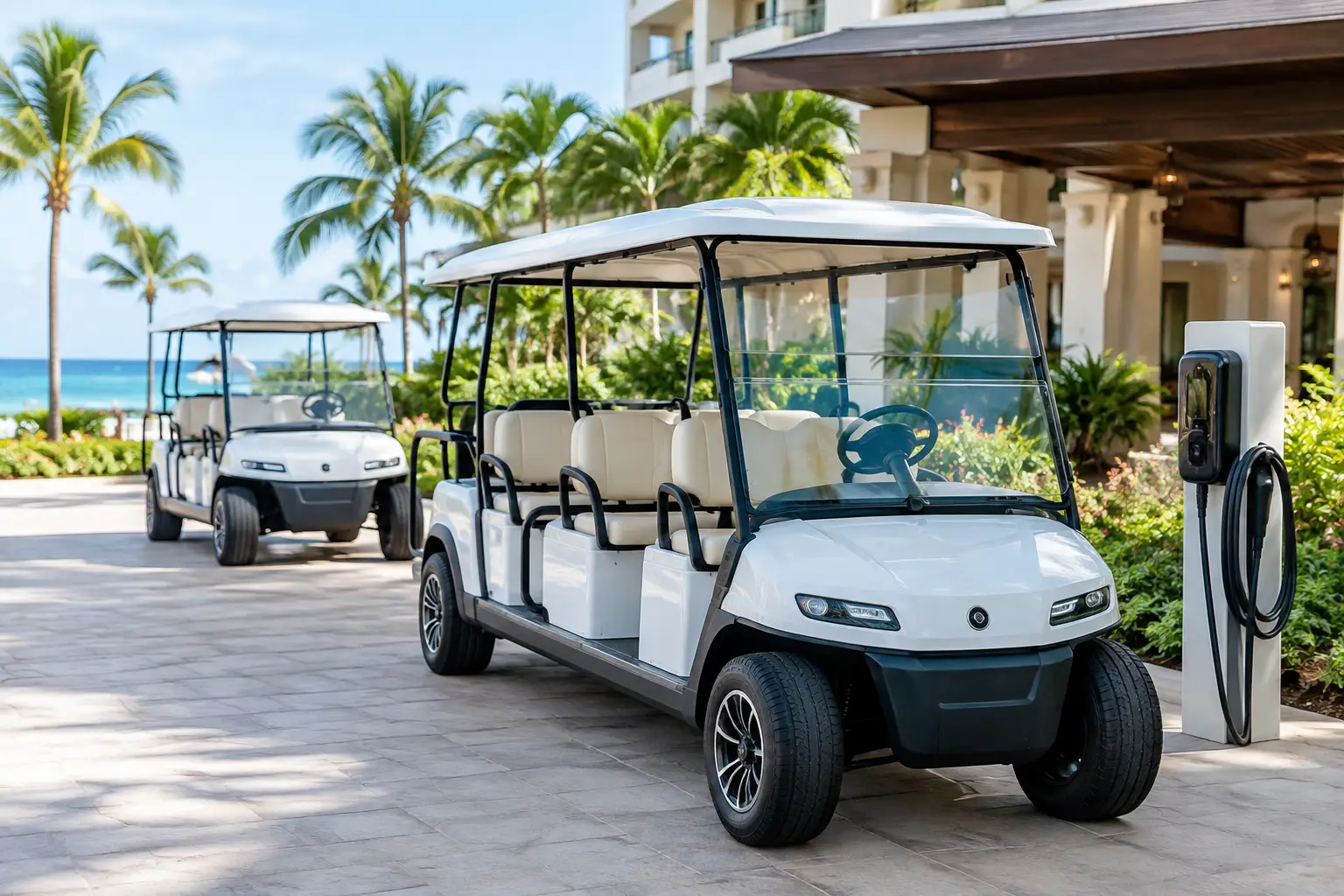
A guest should not have to wait 20 minutes for a shuttle to get from the pool to dinner, nor should a maintenance team lose half a morning chasing down a gas cart that will not start. Resort fleet electrification solves both problems with quieter, cleaner, easier-to-operate vehicles built for the way guests and staff actually move around a property.
For resorts, destination communities, golf properties, and large hospitality campuses, electric carts are no longer a nice extra. They are part of the guest experience. The right fleet keeps arrivals moving, gives families more freedom, supports housekeeping and grounds crews, and makes the property feel modern from the first ride.
Why resort fleet electrification is gaining ground
A resort vehicle fleet has to do more than look good parked outside the clubhouse. It needs to run reliably through long operating days, handle different drivers, carry people or equipment safely, and stay available when demand spikes. Electric vehicles are a natural fit because they are quiet around guest rooms, have fewer routine maintenance needs than gas-powered alternatives, and offer smooth, simple operation.
The guest-facing difference is immediate. Electric carts do not bring engine noise to a morning wedding setup, a spa walkway, or a peaceful residential lane. They accelerate smoothly, fit the relaxed pace of a resort setting, and can be equipped with the features people now expect: comfortable seating, roof coverage, upgraded wheels, Bluetooth audio, backup cameras, lighting, and secure storage.
For staff, electrification can reduce daily friction. There is no fuel run in the middle of a busy shift. There are fewer fluids and mechanical components to monitor. Charging can be scheduled around operating hours, giving managers a more predictable routine than refueling vehicles one by one.
That does not mean every electric fleet is automatically the right fleet. Range, payload, terrain, charging access, and local vehicle rules all matter. A flat beachfront property has very different needs from a hilly, spread-out mountain resort. The smart move is to match the vehicles and charging plan to the property, rather than buying on appearance alone.
Start with how your property moves
Before selecting models, map the trips your fleet handles in a typical day. Guest transport, luggage runs, maintenance calls, food service, security patrols, and event operations may each require a different configuration. Trying to make one basic cart do every job often creates more headaches than savings.
A guest shuttle cart may need four, six, or more seats and easy entry for riders with bags or mobility concerns. A housekeeping or facilities vehicle needs cargo capacity, durable seating, and enough battery range to work a full shift. Security teams may prioritize lighting, visibility, weather protection, and quick access to essential gear. Resort management may also want a small number of premium personal-use vehicles for VIP guests, sales tours, or on-property rentals.
Ask practical questions early: How many miles does each vehicle travel daily? Where do the steep grades begin? How often will the cart carry a full passenger load? Does the property operate after dark? Is the fleet exposed to salt air, heavy rain, or extreme summer heat?
Those answers shape the right battery, seating, tire, and accessory choices. They also prevent a common mistake: selecting a vehicle based only on its advertised range. Real range changes with passenger weight, hills, stop-and-go driving, tire setup, temperature, and accessory use. Plan with a margin so carts can finish their routes without becoming a late-day bottleneck.
Choose carts for the job, not just the headcount
Electric fleets work best when each vehicle has a clear purpose. Guest transportation deserves a polished, comfortable vehicle that reflects the resort brand. Staff utility carts should be durable and easy to keep in service. Specialty models can support luggage, maintenance supplies, event equipment, or food and beverage operations.
Premium electric carts can also help a property look more intentional. A worn-out collection of mismatched vehicles sends a message, even if guests never say it out loud. A coordinated fleet with consistent colors, clean upholstery, lighting, and branded details supports a higher-end experience before guests ever check into their room.
There is a financial side to this, too. Higher-capacity carts and better-equipped models cost more upfront, but the cheapest vehicle is not always the lowest-cost choice. If a cart cannot handle a full route, lacks the cargo capacity a team needs, or goes down frequently, staff will compensate with extra trips and more vehicles. That burns time, labor, and guest goodwill.
For guest-facing fleets, prioritize quality seating, safety features, dependable batteries, and easy controls. For utility use, prioritize payload, durability, and service access. When a property needs both, build a mixed fleet instead of forcing a single model into every role.
Charging is the operational backbone
The biggest question in resort fleet electrification is usually not the cart. It is where, when, and how the fleet will charge.
A well-planned charging area keeps vehicles out of sight when not in use, protects them from avoidable weather exposure, and gives staff a simple check-in routine. Ideally, each cart returns to an assigned space at the end of a shift, connects to the right charger, and is ready for the next operating window. Clear parking positions and labeled chargers make a bigger difference than most managers expect.
Overnight charging works well for many properties, especially when routes are predictable. Resorts with long operating hours or heavy daytime usage may need staggered shifts, additional vehicles, or carefully managed opportunity charging between runs. The goal is not to charge whenever possible. The goal is to keep vehicles available without turning charging into a daily scramble.
Your electrical capacity matters as much as your parking layout. An electrician should confirm what the existing service can support before chargers are ordered and installed. Depending on fleet size and charger requirements, the property may need dedicated circuits, panel upgrades, or a phased rollout.
Battery type also affects the plan. Lithium-powered carts are popular for fleets because they typically charge efficiently, require less hands-on maintenance, and deliver consistent performance. They can be a strong fit for busy resort operations, though the right choice still depends on your budget, usage, and service strategy.
Service planning keeps the fleet guest-ready
Electric vehicles generally reduce maintenance compared with gas vehicles, but they are not maintenance-free. Tires, brakes, steering components, suspension, lights, chargers, body panels, and batteries still need regular attention. The difference is that good preventive service is usually easier to schedule than emergency repairs on an aging gas fleet.
Build a simple inspection routine around the way your team works. Drivers should report damage, unusual noises, warning lights, weak charging, and tire issues at the end of every shift. Managers should review vehicle availability daily, especially before weddings, tournament weekends, conferences, and holiday periods.
It also pays to keep a few fleet standards in place. Use the same approved charging procedure. Train employees on safe driving and passenger capacity. Establish who can authorize repairs. Keep a small reserve of vehicles if transportation is mission-critical. A resort that operates at full occupancy cannot afford to discover that its only six-passenger shuttle is unavailable right before check-in.
A dealership partner with multi-brand inventory, financing options, delivery coordination, and ongoing service support can make the transition far less complicated. EV Superstore can help buyers compare fully equipped electric cart options and build an ownership plan that fits their property instead of pushing a one-size-fits-all package.
Make the guest experience part of the investment
Fleet decisions often begin with operational numbers, but guests remember the ride. They notice whether the vehicle feels clean, comfortable, quiet, and safe. They notice whether it arrives promptly. They notice whether the driver has room for luggage or whether a family has to split into separate carts.
That is why accessories are not always extras. A backup camera can help drivers maneuver in busy areas. LED lighting improves visibility at night. Rear-facing seats add passenger capacity. Enclosures can extend usability in changing weather. For premium properties, coordinated colors and upgraded finishes can turn a basic ride into a branded touchpoint.
Be realistic about where premium features add value. A VIP transport cart may justify upgraded seating and polished styling. A back-of-house maintenance vehicle may be better served by a practical cargo setup and easy-clean surfaces. Spend where the feature improves safety, uptime, employee productivity, or guest perception.
A smarter rollout beats a rushed replacement
Replacing an entire fleet at once can make sense when old vehicles are unreliable, fuel costs are climbing, or the property is opening a new phase. But a phased approach can be just as effective when budgets are tight or usage patterns are still being tested.
Start with the highest-visibility or highest-maintenance vehicles. Measure charge performance, route coverage, repair needs, and driver feedback over a few months. Then use those real operating insights to refine the next purchase. This approach gives leaders proof before they commit at a larger scale.
The best resort fleet feels almost invisible to guests because it simply works. Carts arrive when needed, staff stay productive, and every ride feels like part of the property experience. Start by mapping your daily routes, then choose electric vehicles and charging support that keep every mile moving with confidence.