
Which Golf Cart Is Better, Gas or Electric?
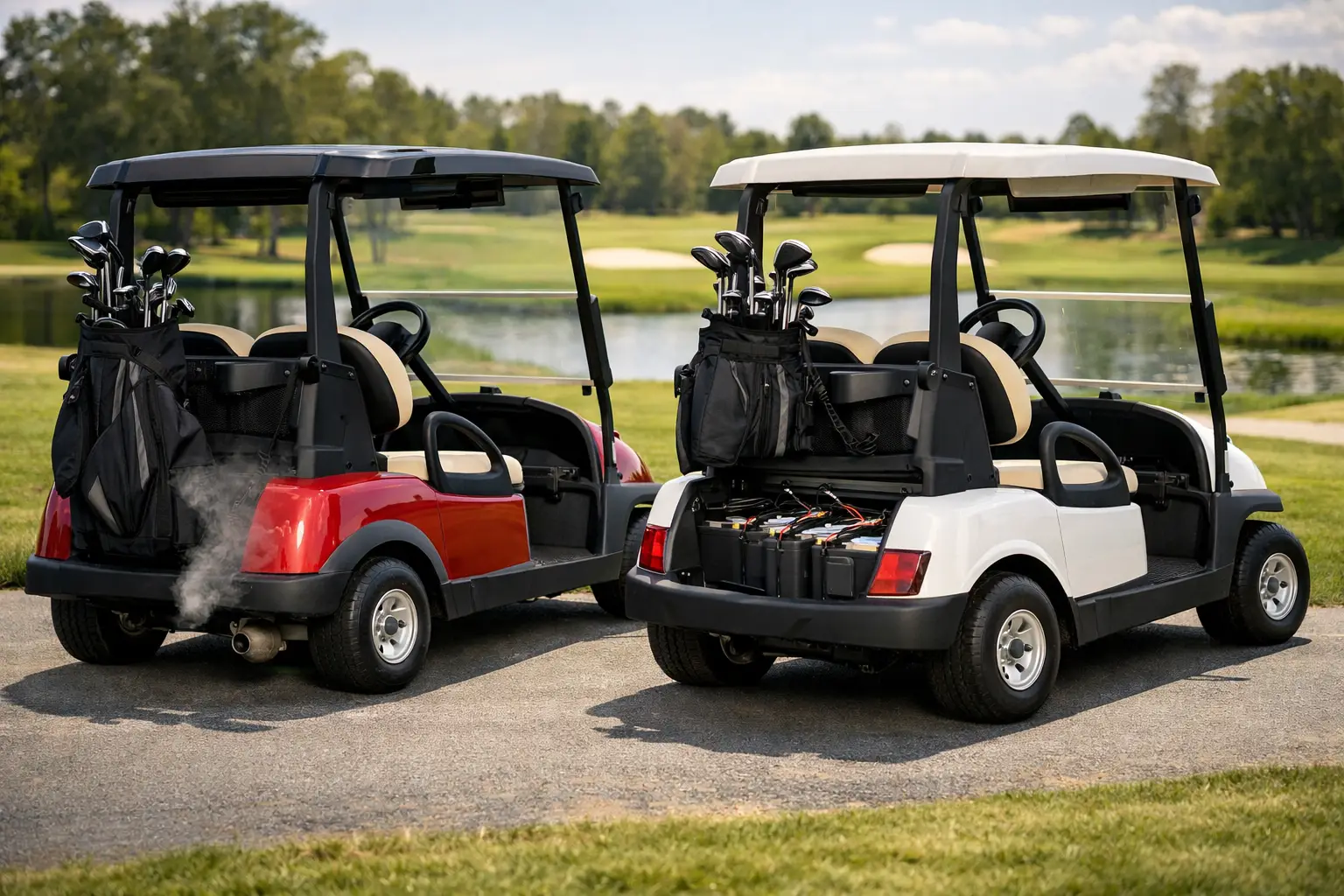
The wrong golf cart gets old fast. If your plan is neighborhood cruising, quick trips to the pool, hauling kids and gear, or replacing an aging cart with something more modern, the question usually comes up right away: which golf cart is better gas or electric? For most personal-use buyers, the answer is electric. But the real answer depends on how you drive, where you drive, and how much convenience matters to you.
Which golf cart is better gas or electric for everyday use?
If you want easy ownership, electric usually wins by a wide margin. It starts quietly, drives smoothly, and skips a lot of the maintenance that comes with a gas engine. There is no fuel smell in the garage, no oil changes on your calendar, and no engine noise drowning out a conversation.
That matters more than many buyers expect. A lot of carts today are not being used only on the golf course. They are moving families around neighborhoods, beach towns, master-planned communities, campgrounds, and resort areas. In that kind of daily-use lifestyle, electric feels cleaner, simpler, and more premium.
Gas carts still have a place. If you need longer run times without stopping to recharge, or you use a cart for heavier-duty tasks on larger properties, gas can make sense. Some buyers also prefer the familiar routine of filling a tank and going. But for personal transportation and recreational use, electric is usually the better fit.
Cost is not just the sticker price
A lot of people look at purchase price first, then stop there. That is only part of the story. The smarter comparison is total ownership cost.
Gas carts come with ongoing fuel costs and more engine-related maintenance. Over time, you are paying for oil changes, filters, spark plugs, belts, and other wear items. None of that is shocking on its own, but it adds up. If you want a cart because life should feel easier, those extra service needs can become a hassle.
Electric carts are often cheaper to operate day to day. Charging costs are typically lower than buying gas, especially for neighborhood and recreational driving. Maintenance is also lighter. With modern electric models, ownership tends to feel more straightforward, which is exactly what many buyers want.
Battery type matters here too. Older lead-acid battery setups require more attention and eventual replacement. Newer lithium-powered carts are a different experience. They charge faster, last longer, require less maintenance, and deliver stronger, more consistent performance. For many shoppers, that upgrade changes the whole electric versus gas conversation.
Performance feels different in real life
On paper, buyers often focus on top speed. In real life, how the cart accelerates, handles, and sounds matters just as much.
Electric carts deliver instant torque, which means they feel responsive right away. Press the pedal, and the cart moves without hesitation. That creates a smooth, modern driving experience that a lot of people prefer, especially in neighborhoods or communities where stop-and-go driving is common.
Gas carts can feel more rugged, and they are often viewed as work-ready. They may appeal to buyers using a cart on larger pieces of land or in settings where utility matters more than comfort. But for casual cruising and personal transportation, electric usually feels more refined.
Noise is another major difference. Gas carts are noticeably louder. Electric carts are much quieter, which makes them more enjoyable for early morning rides, evening drives, and conversations with passengers. If you are driving through a residential area, that quieter ride is not a small perk. It is one of the reasons so many people never want to go back to gas.
Range versus convenience
This is where gas supporters usually make their strongest case. A gas cart can be refueled quickly and keep going. If you are running a cart hard all day, especially on a large property or in a commercial setting, that is a real advantage.
But many personal-use buyers overestimate how much range they actually need. If your typical day looks like short neighborhood trips, community amenities, errands inside a local area, or casual rides with family and friends, a quality electric cart is more than capable.
Charging also tends to be easier than people expect. For many owners, plugging in at home is simpler than making fuel runs. You come back, plug in, and the cart is ready for the next day. That routine fits modern lifestyle use extremely well.
So which golf cart is better gas or electric if range is your top concern? Gas may still have the edge for nonstop use and quick refueling. But if convenience at home matters more, electric often feels easier to live with.
Maintenance is where electric really pulls ahead
This is one of the biggest reasons buyers switch. Gas engines require regular upkeep. That is true whether the vehicle is a car, mower, or golf cart. More moving parts usually mean more maintenance.
Electric carts are simply less demanding. There is no engine oil to change and fewer components that need routine service. That does not mean zero maintenance. Tires, brakes, suspension parts, and batteries still matter. But compared with gas, the ownership experience is usually cleaner and lower stress.
For buyers who want a cart that is ready when they are, this matters. A premium cart should feel fun, not like another machine that needs constant attention.
Where you drive should shape your decision
If you live in a golf community, beach town, suburban neighborhood, or master-planned development, electric is often the obvious choice. It fits the environment. It is quiet, smooth, and ideal for short to medium local trips.
If you have acreage, use a cart as a work vehicle, or need to stay mobile far from a charging setup, gas may still deserve a look. The same goes for certain commercial or rural use cases where continuous operation matters more than comfort and quietness.
That said, electric carts have improved dramatically. Modern models are not the basic carts many people remember from years ago. Today’s premium electric carts often come loaded with features buyers actually care about, like upgraded seating, modern dashboards, LED lighting, backup cameras, sound systems, lifted styling, and stronger speeds for personal-use roads where allowed. For many customers, electric is not the compromise option anymore. It is the upgrade.
Resale appeal and buyer demand
Buyer preferences are shifting, and electric carts are benefiting from that change. Many shoppers want something that feels modern, stylish, and easy to own. That naturally pushes attention toward electric models, especially those with lithium batteries and premium features.
A well-equipped electric cart can be very attractive on the resale market because it matches what today’s buyers are already looking for. Gas carts still sell, especially in utility-focused segments, but personal-use demand is strongly favoring electric in many parts of the country.
That matters if you think you may trade up later or want to protect long-term value.
The better question is not gas or electric - it is how you plan to use it
The best buying decisions come from honest use-case thinking. If you want a dependable cart for family rides, community travel, local fun, and simple ownership, electric is usually the better buy. It is quiet, convenient, lower maintenance, and increasingly loaded with the comfort and tech features people want.
If your cart is going to be used like a tool, worked hard for long stretches, or operated in places where charging is inconvenient, gas can still make sense. There is nothing wrong with choosing based on the job.
For most modern personal-use shoppers, though, electric checks more boxes. It fits the way people actually use golf carts now, not just how they used them twenty years ago.
That is why so many buyers looking for style, comfort, and hassle-free ownership start with electric and stay there. If you are comparing options, focus less on old assumptions and more on your daily routine. The right cart should make every drive easier, quieter, and a lot more fun.