
Why Warranty Backed Golf Carts Are Worth It
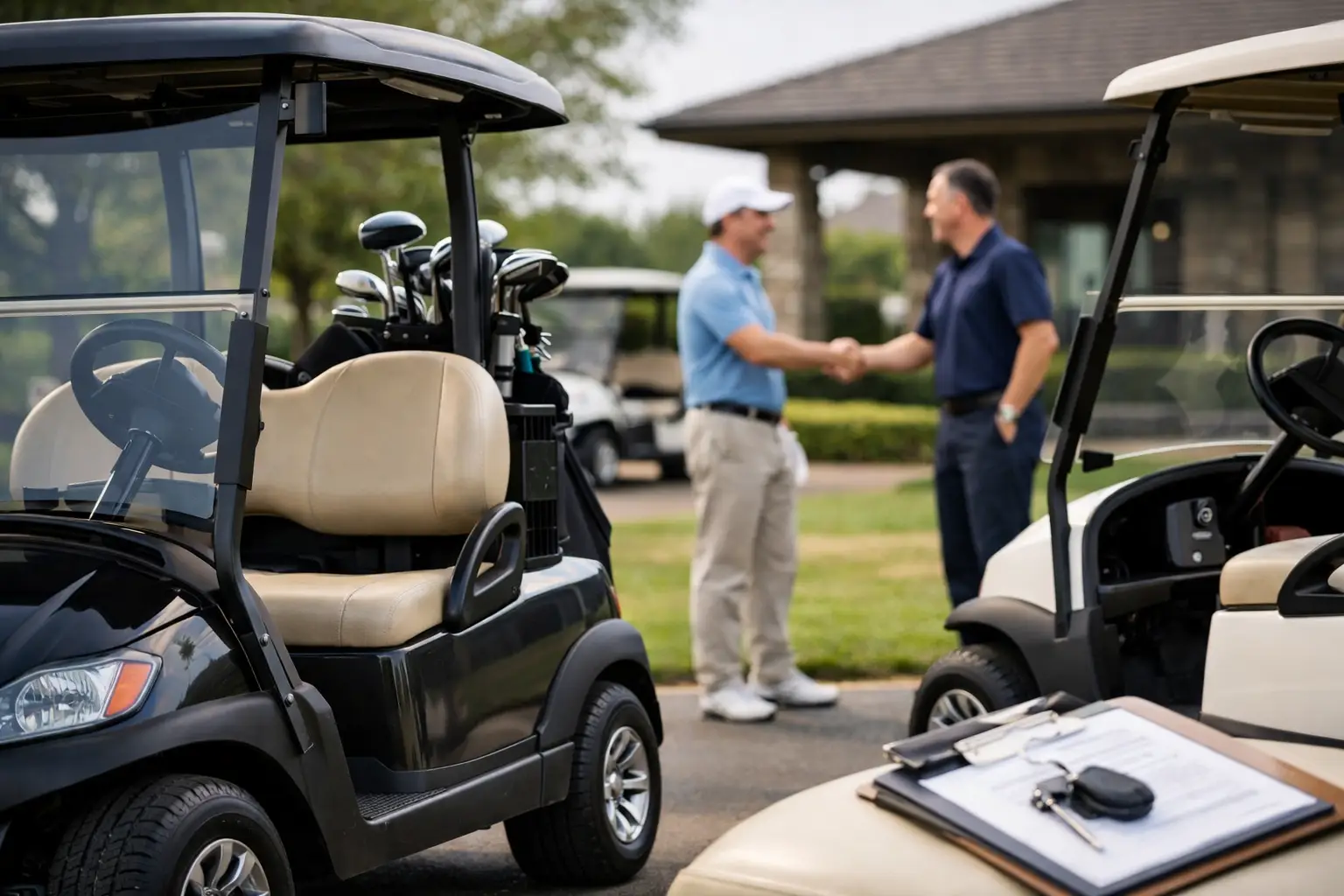
A golf cart with lifted styling, premium seats, a backup camera, and room for the whole family should feel exciting from the first drive. It should not leave you wondering what happens if a charger fails, a controller has an issue, or an electrical component needs attention a few months later. That is why warranty backed golf carts deserve a closer look before you decide based on price alone.
For personal-use buyers, a warranty is more than paperwork. It is a practical part of owning a modern electric vehicle. It gives you a clear place to turn when a covered component needs repair and helps protect the enjoyment of a purchase built for neighborhood cruises, community events, resort property, and everyday convenience.
What Warranty Backed Golf Carts Really Give You
A warranty is the manufacturer’s written commitment to address specific defects or failures during a defined period. Coverage varies by brand and model, but it commonly applies to major systems such as the battery, motor, controller, charger, frame, or other electrical components.
That protection matters because today’s feature-rich carts are far more sophisticated than the basic golf course carts many buyers remember. A new personal-use EV may include lithium battery technology, digital displays, upgraded lighting, Bluetooth audio, cameras, power accessories, and higher-speed capability. Those features make ownership more enjoyable, but they also make knowledgeable service support more valuable.
The biggest advantage is confidence. If a covered issue appears, you have an established process instead of trying to locate parts, diagnose the concern yourself, and pay out of pocket without guidance. A quality dealership can help confirm what is happening, review warranty eligibility, and coordinate the next step.
A warranty does not mean every future expense disappears. Tires, brake wear, accidental damage, cosmetic concerns, and maintenance items are usually handled differently from manufacturing defects. The exact terms always control. Still, warranty coverage can reduce the financial uncertainty around the components that matter most to your cart’s performance.
Why the Dealer Matters as Much as the Warranty
Two carts may both advertise a warranty, yet the ownership experience can feel completely different. The difference often comes down to the dealer standing behind the sale.
A trusted dealer should clearly explain which warranty applies to your cart, how long it lasts, what systems are covered, and what owners need to do if service is required. Straight answers before delivery make it easier to avoid surprises later. Ask whether warranty work can be handled locally, how remote buyers receive support, and whether the dealer has a service team familiar with the brands it sells.
This is particularly important for customers purchasing online or arranging nationwide delivery. Convenient delivery is a major win, but you still want a clear support plan after the cart arrives. A dealership with service experience, manufacturer relationships, and a responsive customer team can make ownership feel much less complicated.
At EV Superstore, the goal is not to hand over keys and disappear. Buyers deserve guidance on the cart, financing, delivery, maintenance, and service support that comes after the sale. That full-dealership approach is especially useful when you are investing in a premium electric cart for your home or community.
A Lower Sticker Price Can Carry a Higher Risk
It is tempting to compare carts only by the advertised purchase price. A heavily discounted vehicle, private-party sale, or unknown brand can look like a bargain until a major issue appears. If warranty coverage is limited, expired, nontransferable, or difficult to use, that initial savings may not feel so impressive.
Consider the cost of replacing a battery system, controller, charger, or motor-related component without coverage. The price can vary widely by cart and repair, but these are not small purchases. Parts availability can also become a problem with brands that lack a reliable dealer network or consistent support in the United States.
This does not mean every used cart is a bad buy. A well-maintained used vehicle can make sense for a buyer with a limited budget, a short-term need, or the ability to handle repairs. But a buyer who wants modern features, dependable use, and predictable ownership costs may find that a new cart with meaningful coverage offers better value over time.
The right question is not simply, “What does this cart cost today?” It is, “What support comes with it if something goes wrong next season?”
What to Check Before You Buy
Before committing to a cart, take a few minutes to review the warranty details. The answers should be easy to get, not buried behind vague promises.
Start with the coverage period. Some warranties use a time limit, while others may include mileage, hours of use, or separate terms for different components. Battery coverage may not match the coverage for the motor or frame. Ask for the applicable warranty documentation and read the exclusions.
Next, clarify who performs the work. If you live near a showroom or authorized service location, the path may be straightforward. If you are purchasing from another state, ask how diagnosis, repair authorization, parts shipment, or local service coordination is managed. A dealer should be upfront about what remote warranty support looks like.
Also ask about owner responsibilities. Proper charging, storage, scheduled maintenance, avoiding unauthorized modifications, and following the vehicle’s operating limits can all affect long-term performance. If you plan to add accessories, lift kits, custom wheels, or audio upgrades, make sure you understand whether those changes affect coverage for related components.
Finally, check the vehicle’s intended use. Many personal-use electric carts are designed for private property, golf communities, and neighborhood travel where permitted. Street-legal requirements depend on local and state rules, and a warranty does not make a cart legal on every public road. Your dealer can help you choose equipment that fits your intended use, but local regulations are still worth confirming before you buy.
Warranty Protection Meets Better Ownership Habits
A warranty is a strong safety net, not a replacement for taking care of your cart. A few simple habits help preserve range, performance, and reliability.
Keep the battery charged according to the manufacturer’s recommendations, especially during periods when the cart is not being driven often. Store the vehicle in a dry, protected area when possible. Check tire pressure, inspect brakes and lights, and address unusual sounds or warning messages early instead of waiting for a small concern to become a larger repair.
If your cart uses lithium power, learn the charging guidance for that specific battery system rather than relying on old lead-acid routines. Lithium batteries offer real advantages in weight, maintenance, and performance, but every manufacturer can have its own recommendations. The owner’s manual and your dealership’s service team are better sources than advice from a neighbor with a 15-year-old cart.
Choose Confidence, Not Just Features
The best carts combine the fun details you want with the support you need. Four seats, upgraded wheels, a premium sound system, a rear camera, and bold color options all make a cart feel like yours. Warranty protection helps keep the ownership experience focused on where you are going, not on what might fail.
When comparing models, look at the brand, the equipment, the battery system, the dealer’s service capability, and the warranty as one package. If the answers are clear and the support is real, you can move forward with more confidence.
Before your next test drive, ask for the warranty terms in plain language and picture how the cart fits your life a year from now. The right vehicle should make every neighborhood run, sunset cruise, and family ride feel easy to enjoy.